Men’s course record
2:06:24
Asbel Rutto · 2024
- Average pace
- 3:00 / km
- Terrain-adjusted
- +0.05 %
Europe17
Americas9
Oceania4
Asia3
Africa1
Elsewhere1
Europe7
Oceania3
Americas2
Elsewhere1
Rome, Italy A Sunday in March, set by the organiser Founded 1995
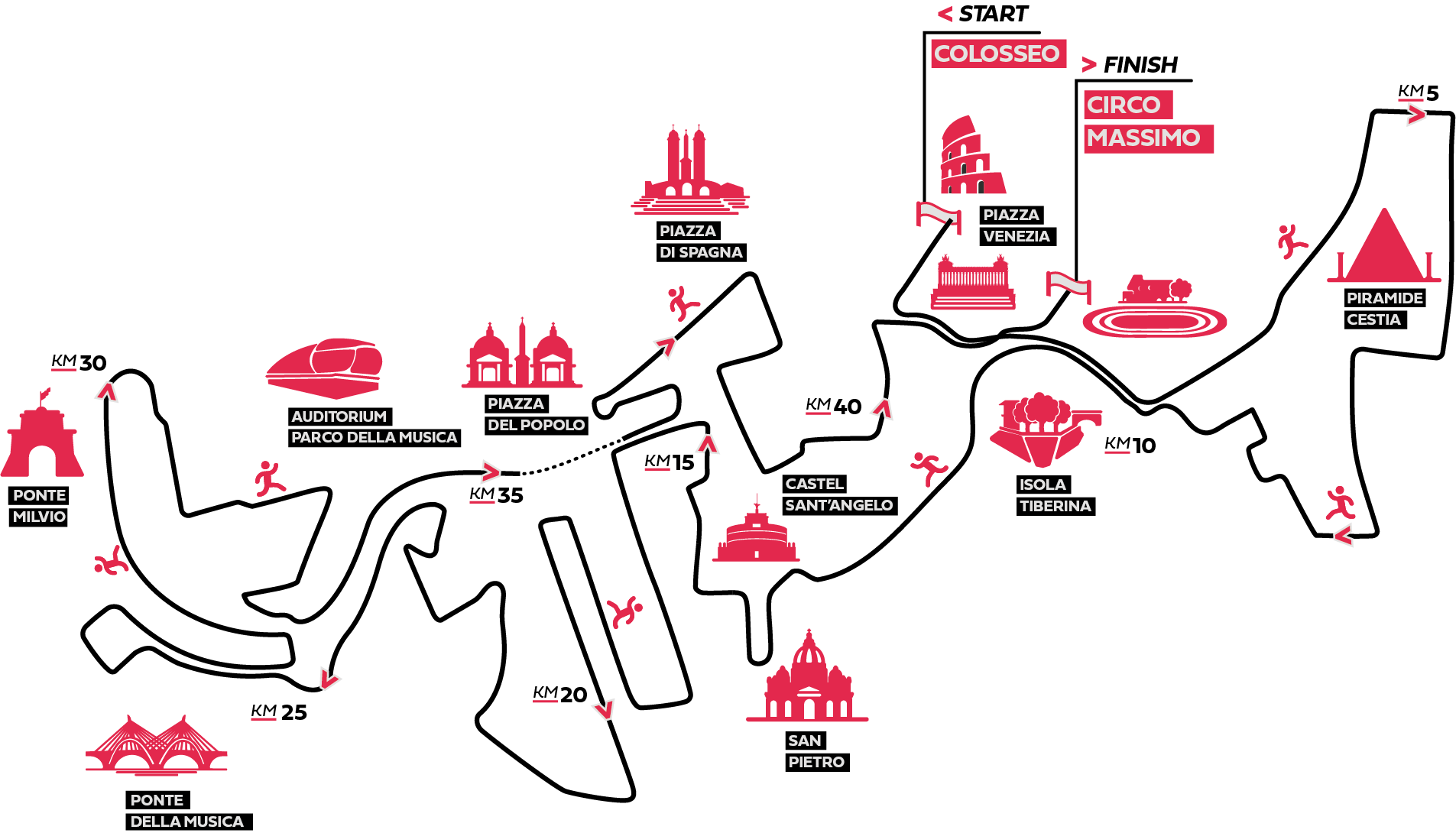
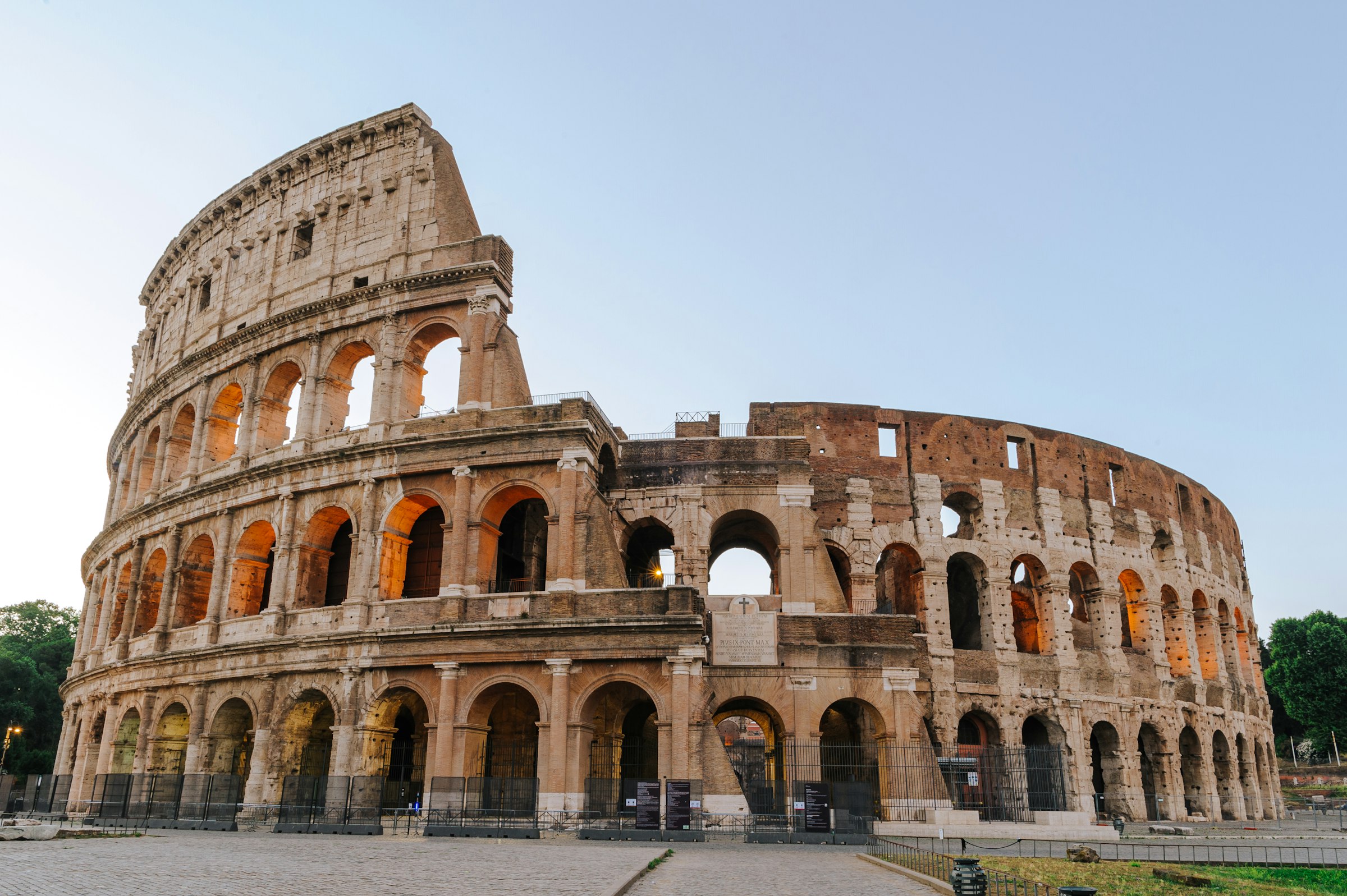
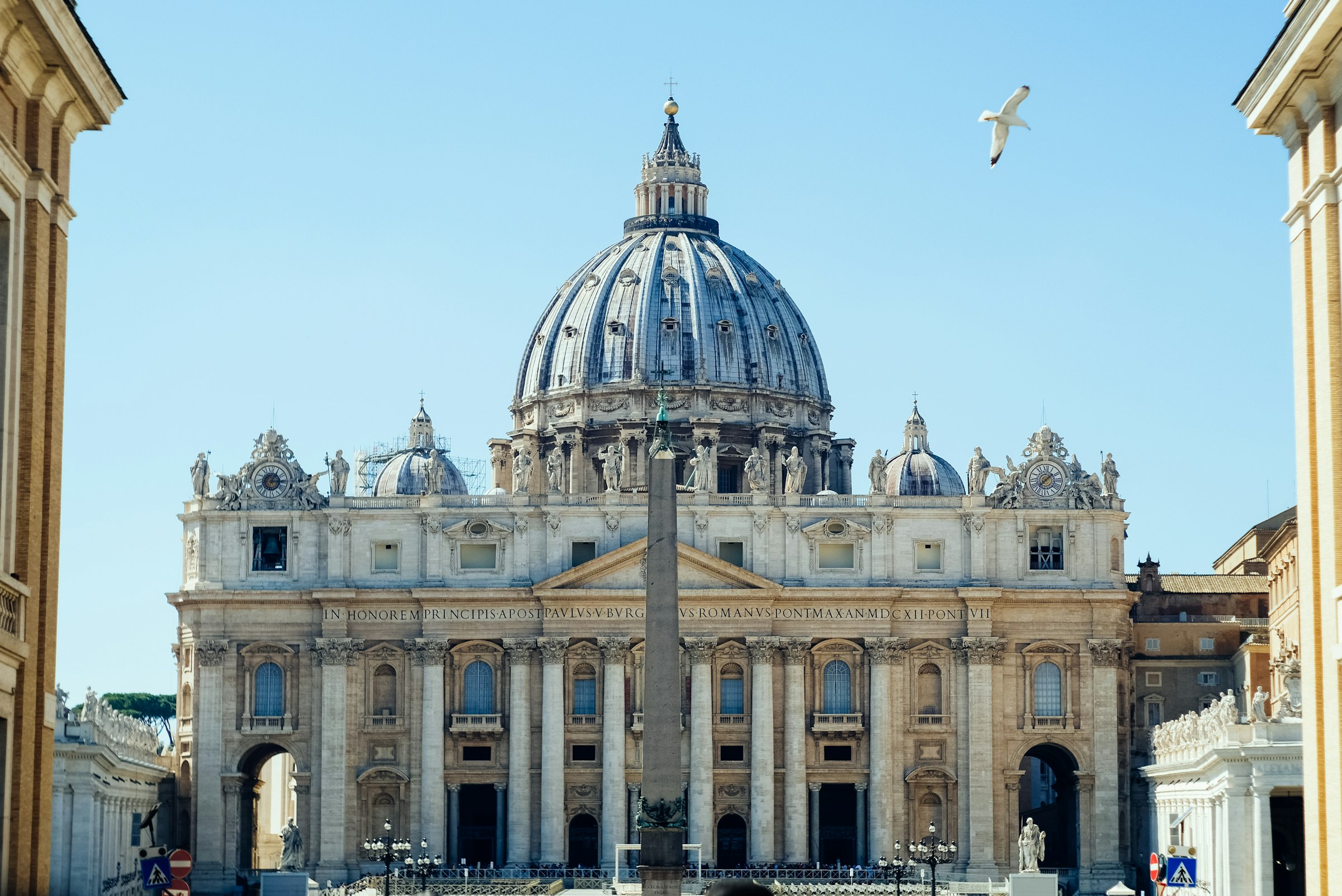
A March marathon from the Colosseum round Testaccio and St Peter's, out through Prati to the Foro Italico, and back through the cobbled centre to the Circus Maximus.
Marathon Course · every marathon course, measured the same way
Rome Marathon
A March marathon from the Colosseum round Testaccio and St Peter's, out through Prati to the Foro Italico, and back through the cobbled centre to the Circus Maximus. Via dei Fori Imperiali → Circus Maximus, Rome, Italy.
Elevation · traced from the organiser's 2026 street list · Sonny 1" .hgt tiles — CC BY 4.0 · smoothed 100 m 13–29 m
—
0.08.416.825.333.742.1
kmmi — elev — grade — hover or drag the profile
The highest point comes early, 29 m on Viale Marco Polo at about 4.6 km, at the top of the steepest climbing kilometre, 13 m. The steepest descending kilometre follows it, 12 m down Via Cristoforo Colombo towards Ostiense.
After that the course barely leaves the river's level. Everything from the Ostiense loop on stays between 13 m and 25 m, and the lowest point is near the end, by the Bocca della Verità. The finish is 8 m lower than the start. Add up the energy cost of every gradient and the course comes out about level with a flat 42.195 km.
Take it with you
Course GPX Organiser's course map
The GPX is ours: our resampled line, a point every 25 m, carrying Sonny 1" .hgt tiles — CC BY 4.0 elevation rather than the GPS noise a watch file usually holds.
Sonny 1" .hgt tiles — CC BY 4.0, traced from the organiser's 2026 street list, smoothed 100 m · marathoncourse.com/marathons/rome/ · checked 2026-11-09
200020102020
Pace is derived from the certified distance. Terrain-adjusted figures come from the same model that ranks every course on this site.
Men’s course record
2:06:24
Asbel Rutto · 2024
Women’s course record
2:22:44
Pascaline Kibiwot · 2026
The morning, hour by hour
Cut-offs
The organiser's 2026 times; the 2027 regulations give the start as about 8:30am. Italy is still on winter time in mid-March. The 2026 cut-offs. For 2027 the organiser gives a seven-hour limit and says the intermediate times will follow; in 2026 the limit was six and a half hours from the last wave's start.
Race-day mean temperature, 1995-2025. Lime marks the hottest edition; the coldest and wettest carry a label only, so the colour still means one thing.
Yes. The whole course sits within 16 m of height, and the steepest climbing kilometre, up Viale Marco Polo early on, gains 13 m. The cobbles are the harder part.
Sonny 1" terrain model, sampled every 25 m, smoothed over 100 m.
Not yet confirmed. The organiser hasn't published the 2027 route, so the map shows the 2026 one, traced from the organiser's list of streets. It changed from 2025 in several places, so check the official map when it's out.
Organiser 2026 race guide; 2027 regulations.
The organiser doesn't say. The sampietrini come in the first two kilometres, around the Vatican at about 13.0 km, through Prati, and over much of the old centre in the last six, which is where they matter most.
Organiser route; OpenStreetMap road surfaces.
If you live in Italy, yes: a competitive certificate for athletics, with a FIDAL membership or a Runcard. Foreign citizens living abroad can run without one by accepting a disclaimer, and get a time but no place. Italians living abroad can't use that route.
Organiser regulations, 2027.
Yes, at €129 plus an online fee. The 2026 race sold out about four months before race day, so don't leave it late.
Organiser regulations and entry site, 2027.
Yes, either one, for €30, by 14 January 2027. There are no refunds.
Organiser regulations, 2027.
Seven hours for 2027. The intermediate cut-offs haven't been published; in 2026 they ran from 10:40am at 14 km to 1:50pm at 35 km.
Organiser regulations, 2027; race guide, 2026.
By Metro B to Circo Massimo, two stops from Termini. The Colosseo stations are closed on race morning, and the metro opens at 5:30.
Organiser race guide, 2026.
At the Circus Maximus, where it has finished since 2025. The start is on Via dei Fori Imperiali, about 740 m away.
Organiser race guide; course line.
The geometry allows it: start and finish are close together, and the finish is lower than the start by less than World Athletics' limit. The records are Asbel Rutto's 2:06:24 and Pascaline Kibiwot's 2:22:44.
World Athletics road-course rules; course line; organiser records.
About 30,000 finished in 2026, from 36,000 entries, the first time the race sold out. Italian ranking lists show about 9,000, because they count only the federation-ranked runners.
Organiser figures for the 2026 edition.
About 14.2 °C during a typical race: that's the median across 30 years, which have run from 9.2 °C to 17 °C. 4 of the 30 were wet.
ERA5 reanalysis for the race date, 1995-2025.
Very likely. The course is measured to World Athletics standards, which the B.A.A. accepts for races outside the US, and it finishes 8 m below the start, nowhere near a drop that would matter.
Net drop −8 m from this site's course line; 2027 adjustment None. Certification certified: Measured to World Athletics standards; start and finish are about 740 m apart.
It comes from Sonny 1" .hgt tiles — CC BY 4.0, sampled every 25 m along the course line and smoothed over 100 m. The raw-to-smoothed ratio here is 2.06. Around 1.3 means the model is reading the ground, not rooftops; above about 2.0 the total climb carries real noise, and the net change is the sturdier number.
0 missing samples · 7 bridge spans corrected.
| Fact | Source | Verified |
|---|---|---|
| Course line | Traced from the organiser's 2026 race guide, which lists the route street by street with km points: the 2025 course file where the streets are the same, OpenStreetMap streets where they changed. Every km point falls on its street, and the line measures 42.11 km, 0.2 % short | 2026-11-09 |
| Elevation | Sonny 1" .hgt tiles (CC BY 4.0), Italy v2b; seven bridges interpolated between their banks and the Ripetta underpass straightened. The model is noisy here (2.1), so the total climb is less certain than the height range | 2026-11-09 |
| Race-day weather | ERA5 via Open-Meteo archive, 8:00 to 15:00 on the Sunday nearest 17 March, 1995 to 2025, without 2020; the race date moves each year, so this is the weather for mid-March | 2026-11-09 |
| Course records | Organiser race magazine, 2026, and the official 2026 results | 2026-11-09 |
| Field size | About 30,000 finishers in 2026, from Corriere dello Sport and the official results; 36,000 entries, from the organiser | 2026-11-09 |
| Entry and rules | Organiser regulations for 2027 | 2026-11-09 |
| Race day | Organiser race guide, 2026 | 2026-11-09 |
| History and timeline | Organiser race magazine, race reports and the 1960 Olympic record | 2026-11-09 |
| Steepest-kilometre place names | OpenStreetMap via Nominatim reverse geocoding (ODbL) | 2026-11-09 |
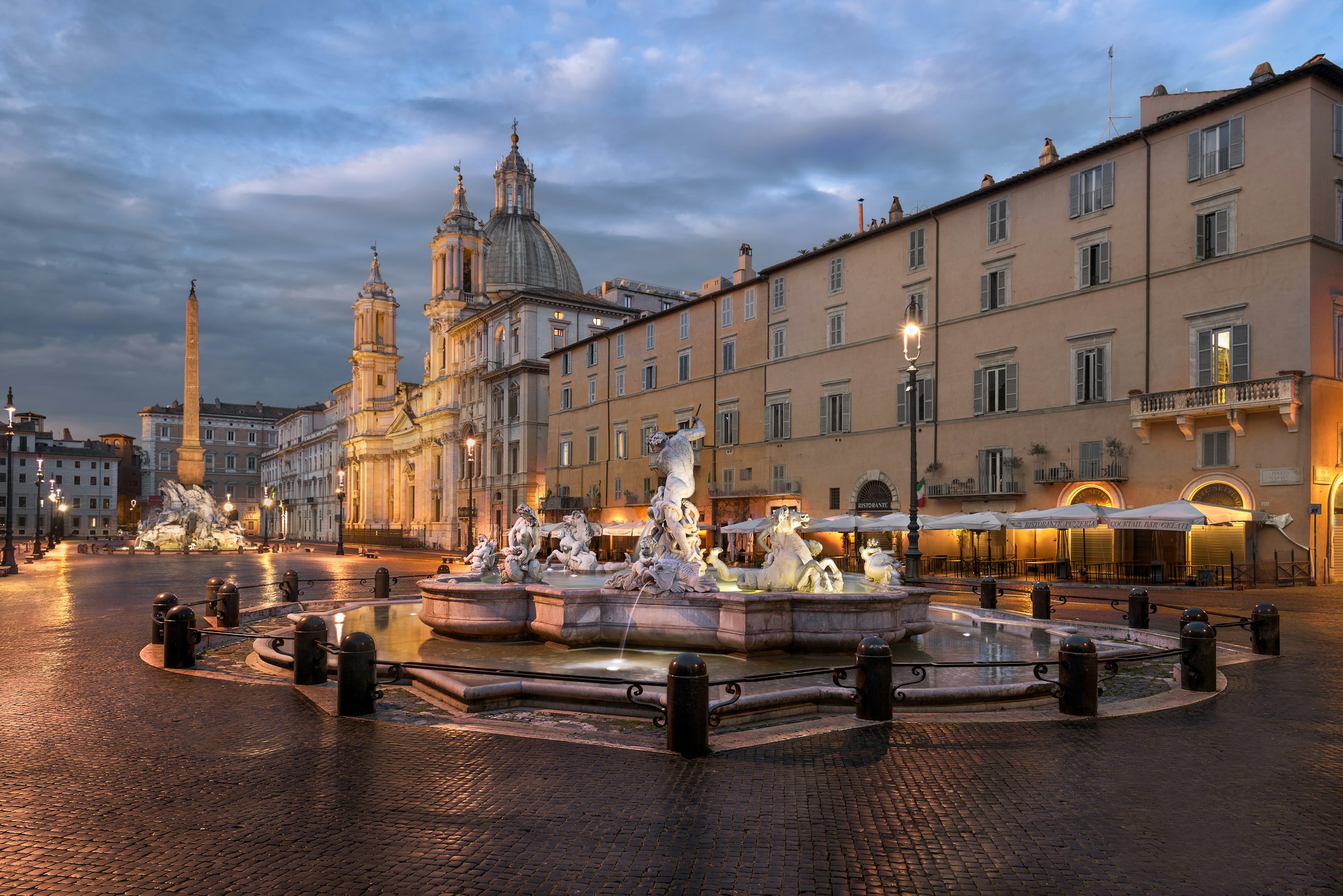
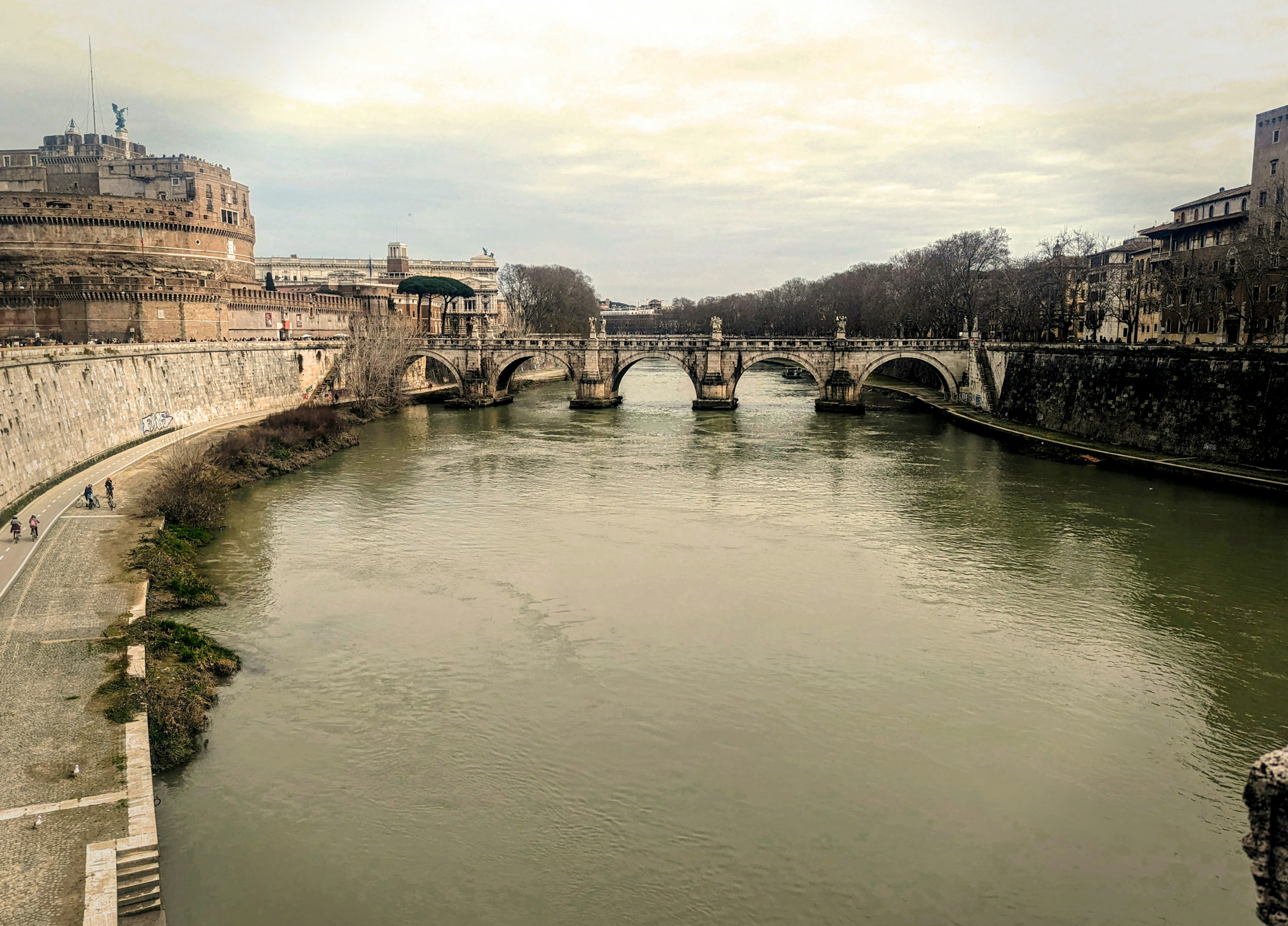
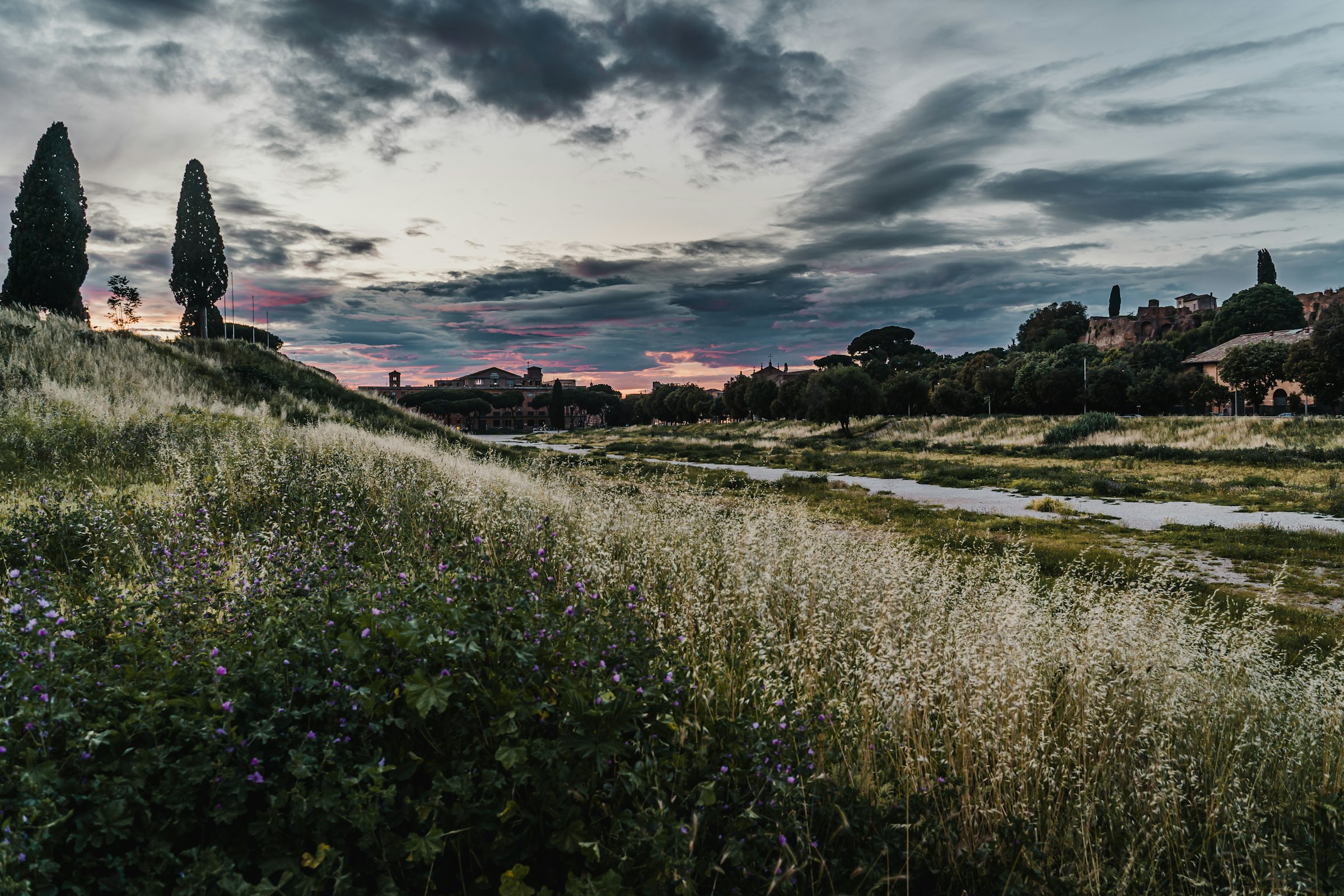
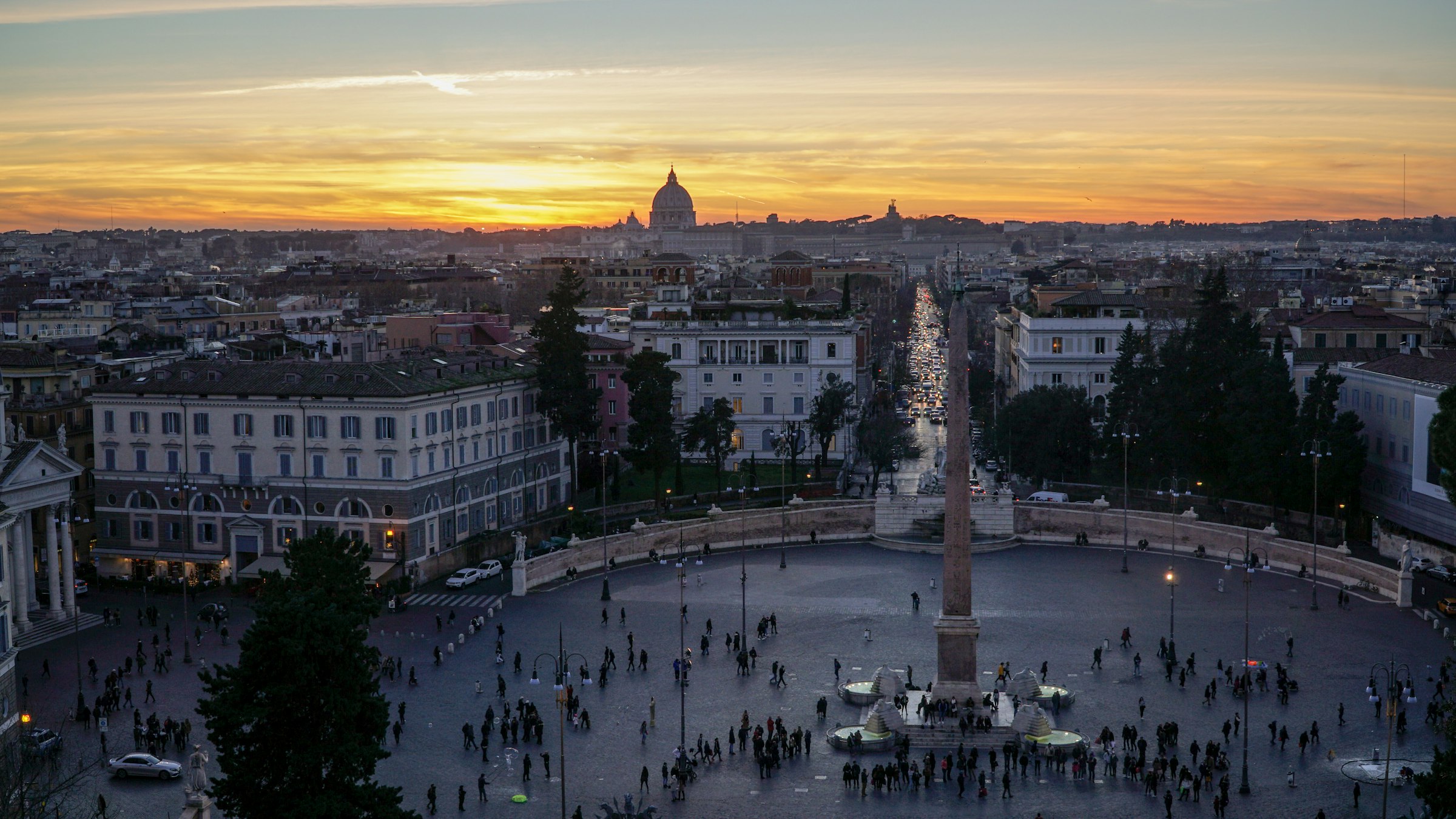
| Photography | Unsplash: Matteo del Piano (the Colosseum), Gabriella Clare Marino (the Circus Maximus), Fabio Fistarol (St Peter's), Daniel Zbroja (Piazza Navona), James Revell (Castel Sant'Angelo), Wanderlust in Frame (Piazza del Popolo) | 2026-11-09 |
Until the Rome Marathon · 14 Mar 2027
— days
— hrs— min— sec
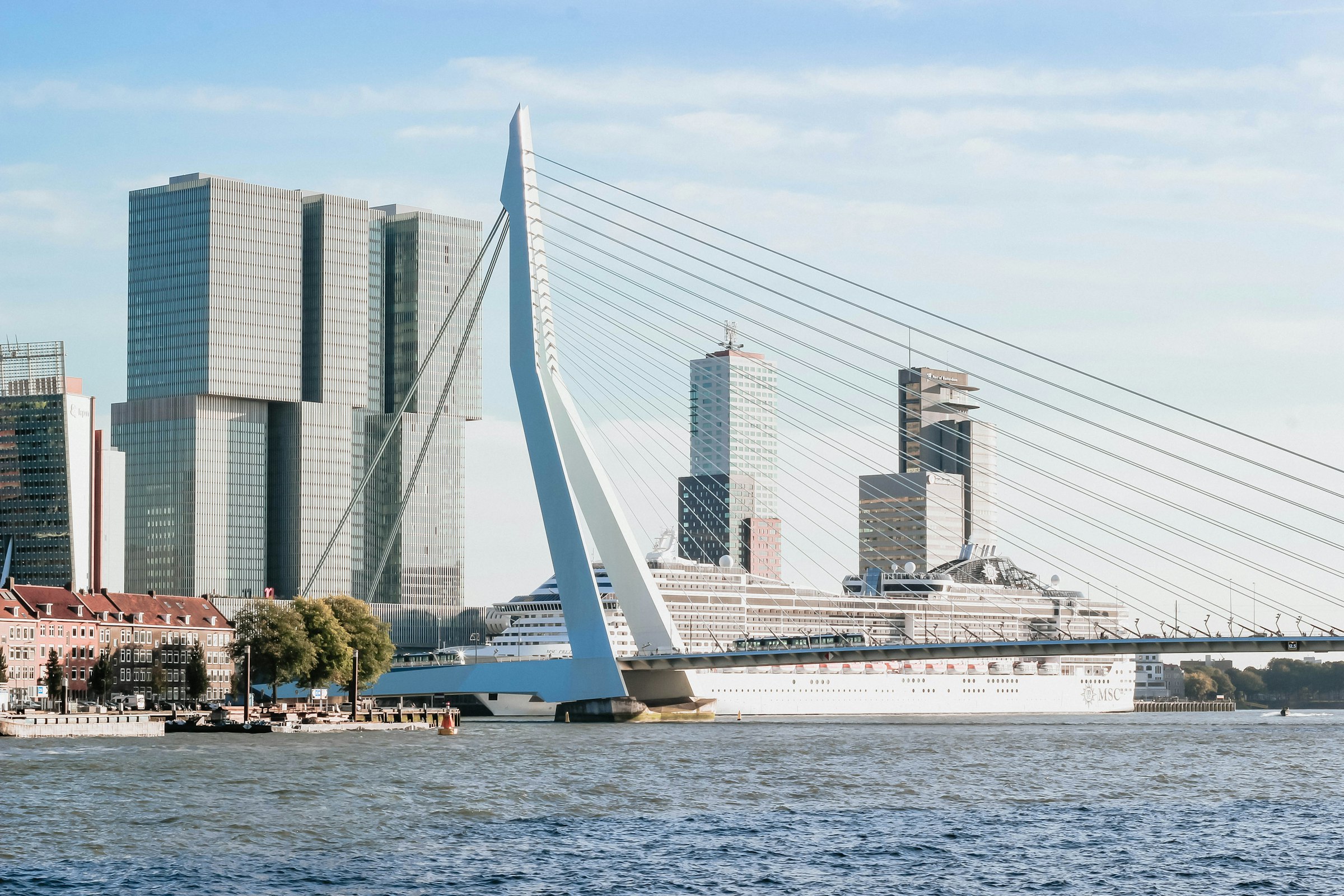
Rotterdam, Netherlands · 11 Apr 2027
Over the Erasmus Bridge to the south bank and back, out round the Kralingse Plas, and home up the Coolsingel.
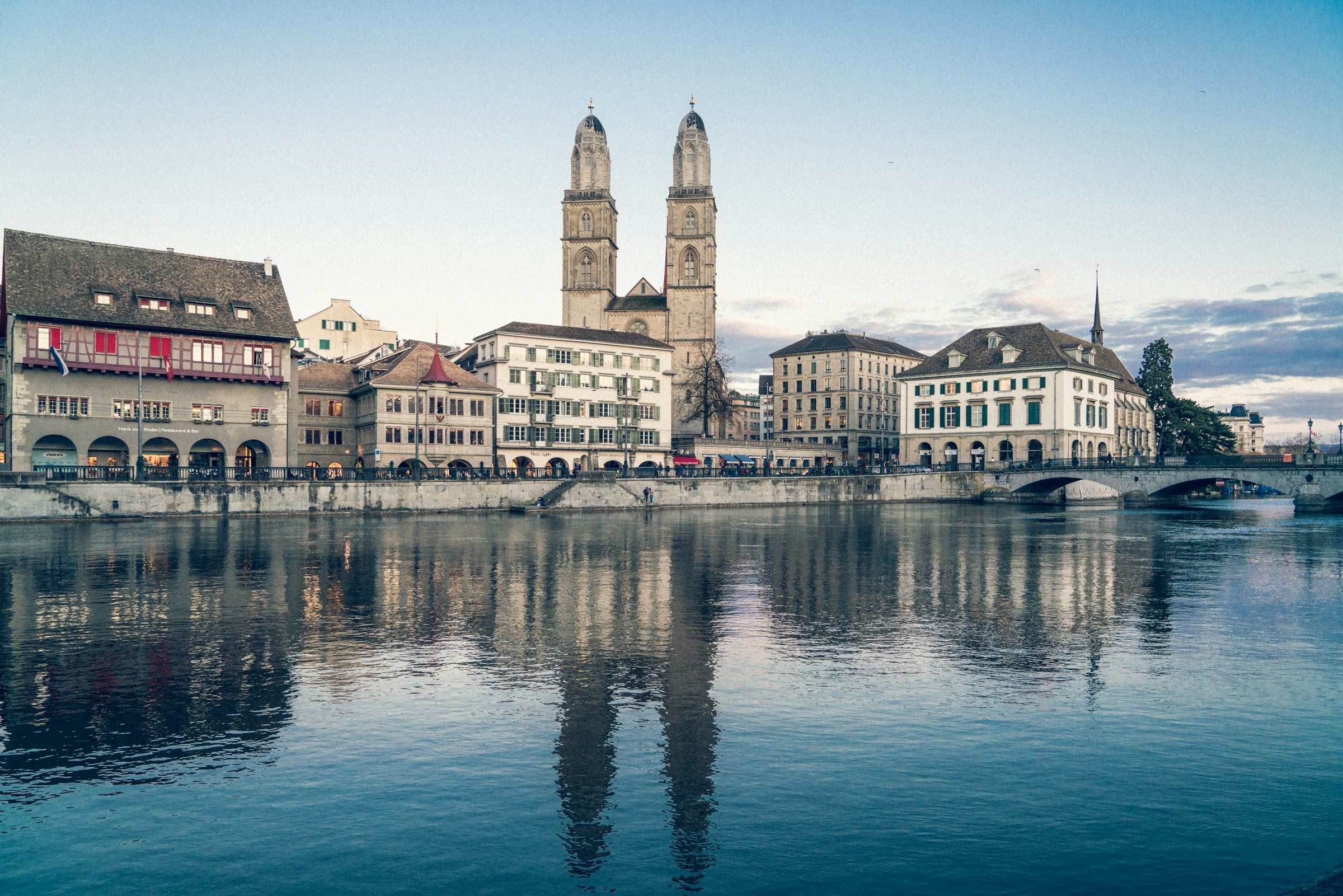
Zurich, Switzerland · 11 Apr 2027
From the Quaibrücke down the lake's eastern shore to Meilen and back, with a loop through the city at each end.
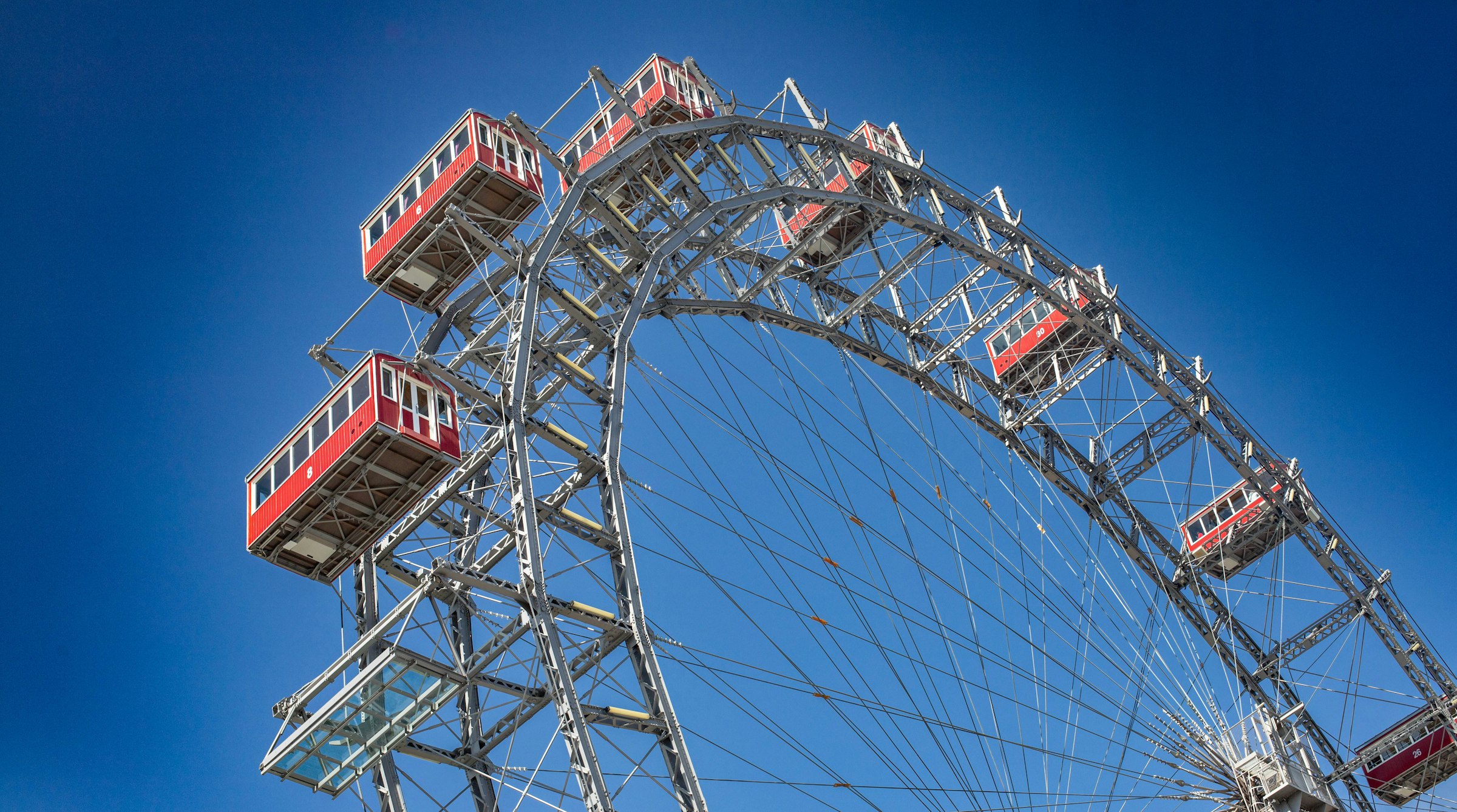
Vienna, Austria · 18 Apr 2027
Over the Danube to the Prater, out along the Wienzeile to Schönbrunn, and home on the Ring to the Burgtheater.