Austin Half Marathon
Austin, USA The Sunday before Presidents' Day, 14 February in 2027
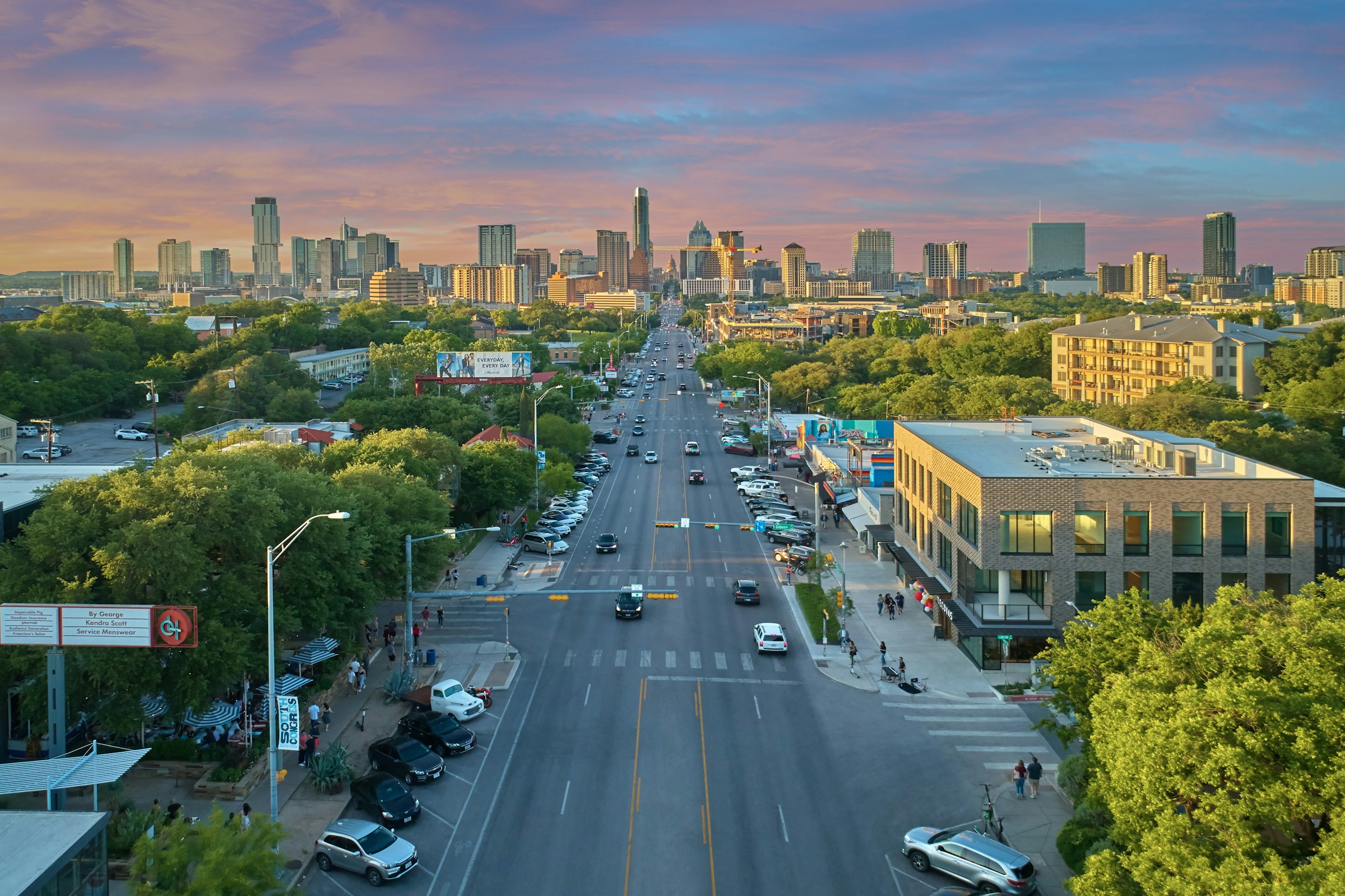
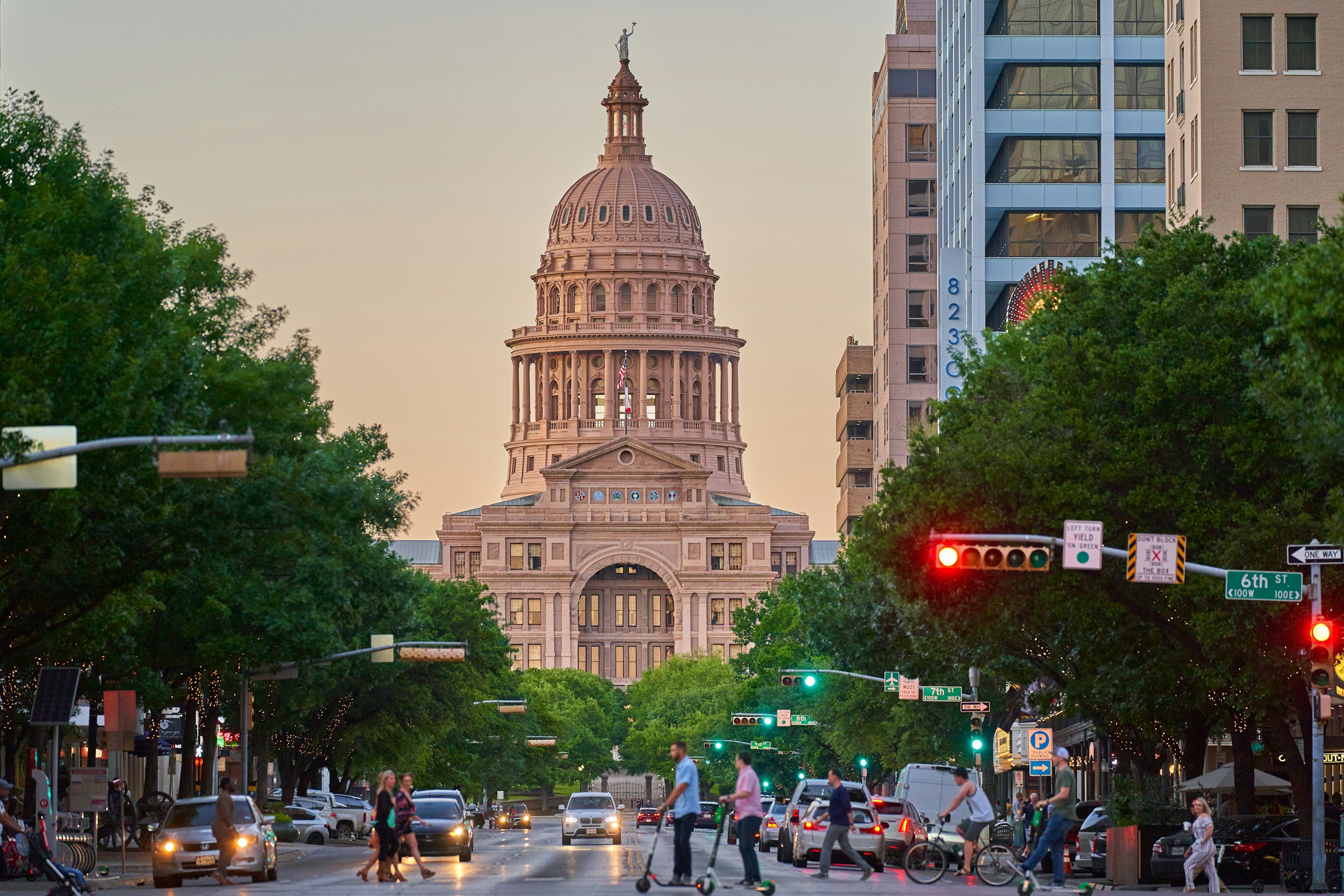
The bigger of Austin's two races: up South Congress, out along Lake Austin Boulevard and back downtown to finish below the Capitol.
Overview
The hills come early. It climbs 199 m, two-fifths of it in the first 5.6 km, and the last mile and a half runs gently downhill.
14,542 finished in 2026, twice as many as ran the marathon.
- When
- The 2027 Austin Half Marathon is on Sunday, 14 February 2027, starting at 7:00am local time on Congress Avenue, near 2nd Street.
- Course
- The Austin half's course climbs 199 m in all, with its lowest point at 133 m and its highest at 208 m.
- Entry
- Entry to the Austin half is first come, first served (open for 2027), and costs US$199 for 2027.
- Field
- The 2026 Austin Half Marathon had a half-marathon field of 14,542.
- Weather
- Across 29 years, the Austin half's race-day temperature has a median of 8.8 °C.
- Time limit
- The Austin half's time limit is 4 hours.
Marathon Course · every marathon course, measured the same way
Austin Half Marathon
The bigger of Austin's two races: up South Congress, out along Lake Austin Boulevard and back downtown to finish below the Capitol. Congress Avenue → Congress Avenue at 9th Street, below the Capitol, Austin, Texas, USA.
- Distance
- 21.1 km
- Ascent
- 199 m
- Descent
- 187 m
- Net
- +12 m
Course map and elevation
5 km splits marked · the dashed line is the marathon, which the half follows for about 20.0 km before turning back downtown at San Antonio Street · hover or drag the profile below to move along the courseElevation · measured on the organiser's course file · USGS NED 10 m · smoothed 100 m 133–208 m
—
0.04.28.512.717.021.2
kmmi — elev — grade — hover or drag the profile
The high point is on South Congress near Ben White Boulevard, 208 m at about 5.6 km. The steepest climbing kilometre is the first part of that climb, up from the river, 28 m, and the steepest descending one comes soon after the turn, down South 1st Street, 35 m. The lowest point is by the lake on Cesar Chavez Street, 133 m at about 11.1 km. From there it climbs again along Lake Austin Boulevard and Enfield Road, and drops 7 m over the last 1.5 km. Add up the energy cost of every gradient and, for a 90-minute runner, the course comes out about 1 min slower than a flat 21.1 km (1.08 %).
Take it with you
Course GPX Organiser's course map
The GPX is ours: our resampled line, a point every 25 m, carrying USGS NED 10 m elevation rather than the GPS noise a watch file usually holds.
USGS NED 10 m, measured on the organiser's course file, smoothed 100 m · marathoncourse.com/half-marathons/austin/ · checked 2026-10-23
How to enter: dates and fees
Entry otherwise works as it does for the marathon, and the marathon page has the rest.
History
The organiser publishes no course record for the half. The fastest time known is Brendan Gregg's 1:04:47 from 2023, the year before the course was recertified; in 2026 Griffin Neal won in 1:06:01 and Mina Glenesk in 1:19:49. The race's full history is on the marathon page.
- 2017Kayleigh Williamson becomes the first woman with Down syndrome to finish the half
- 2021No marathon, so the half runs on its own, smaller, in April
- 2023Brendan Gregg runs 1:04:47
- 2024The course is recertified, and 9,159 finish
- 202510,568 finish
- 202614,542 finish, and Griffin Neal wins in 1:06:01
20202025
Race day: start times and cut-offs
- 7:00am
- Time limit
- 4 hours
- 9
There are nine aid stations, each with water, an electrolyte drink, medical help and toilets, and a gel station at mile 9.5. Half runners can run with the marathon pacers as far as the split.
The morning, hour by hour
- 5:30am
- Bag check opens, 7th Street and Colorado
- 6:55am
- Wheelchair start
- 7:00am
- Elite start, then waves A to D with the marathon
- 7:09am
- Half-only waves E to L, about every eight minutes
- 8:20am
- Start line closes
The organiser's 2026 times. The 2027 schedule has the same waves; the wheelchair and elite starts aren't set yet. You have four hours, about 18 minutes a mile, and the start line closes at 8:20am. The organiser publishes no intermediate cut-offs for the half.
Race-day weather, 1996–2025
- Median
- 8.8 °C
- Warm years
- 2 of 29
- Wet years
- 2 of 29
Race-day mean temperature, 1996-2025. Lime marks the hottest edition; the coldest and wettest carry a label only, so the colour still means one thing.
Frequently asked questions
When is the Austin half?
Sunday 14 February 2027, with the marathon. Both start at 7:00am on Congress Avenue, and the half's later waves follow until about 8:05am.
Organiser schedule, 2026 and 2027.
Is the half hilly?
Yes, for a half. It climbs 199 m, and the steepest climbing kilometre, up South Congress from the river, gains 28 m.
USGS 10 m elevation model, sampled every 25 m, smoothed over 100 m.
Does the half follow the marathon course?
For its first 12 miles, yes. Then it turns right at San Antonio Street and winds back through downtown to finish on Congress at 9th Street, where the marathon finishes too.
Organiser turn-by-turn directions.
What is the time limit?
Four hours, about 18 minutes a mile. The start line closes at 8:20am.
Organiser course page, 2026.
Can I get a refund?
Only if you bought the refundable entry. Otherwise all sales are final, with no deferrals or transfers.
Organiser registration changes page.
Can I switch to the marathon?
Yes, for a fee that rises towards race day, from US$49 until 1 November.
Organiser registration changes page.
Where do I pick up my bib?
At the expo at the Palmer Events Center, on the Friday or Saturday before the race. There's no pickup on race morning.
Organiser packet pickup page, 2027.
How do I get to the start?
Park downtown, where Sunday street meters are free, or take CapMetro.
Organiser transportation page.
What's the weather like in February?
Cool and usually dry. Across 29 race mornings the median temperature during the half was 8.8 °C, and two had a millimetre of rain or more.
ERA5 climatology, 7:00 to 10:00, 1996 to 2025, without 2021.
Is it a good first half?
A big, friendly one with four hours to finish. The climb up South Congress in the first few miles makes it slower than a flat course.
Organiser race information; measured profile.
How many people run it?
14,542 finished the half in 2026, up from 10,568 in 2025 and 9,159 in 2024.
Organiser figures for the 2026 edition.
What is the weather like on race day?
About 8.8 °C during a typical race: that's the median across 29 years, which have run from 0.2 °C to 20.4 °C. 2 of the 29 were wet.
ERA5 reanalysis for the race date, 1996-2025.
How accurate is the elevation figure?
It comes from USGS NED 10 m, sampled every 25 m along the course line and smoothed over 100 m. The raw-to-smoothed ratio here is 1.17. Around 1.3 means the model is reading the ground, not rooftops; above about 2.0 the total climb carries real noise, and the net change is the sturdier number.
0 missing samples · 4 bridge spans corrected.
Sources
Every fact on this page, its source, and the date it was checked · 8
| Fact | Source | Verified |
|---|---|---|
| Course line | The organiser's half-marathon GPX, which measures 21.31 km, 1.0 % long | 2026-10-23 |
| Elevation | USGS NED 10 m via OpenTopoData, the model the marathon is measured on; the lake bridges interpolated between their shores | 2026-10-23 |
| Race-day weather | ERA5 via Open-Meteo archive, 7:00 to 10:00 on race day, 1996 to 2025, without 2021 | 2026-10-23 |
| Results and field | Athlinks and MyChipTime, 2023 to 2026, counted by finisher | 2026-10-23 |
| Start, limit, aid and schedule | Organiser schedule, course and FAQ pages, 2026 | 2026-10-23 |
| Entry | Organiser registration, 2027 prices | 2026-10-23 |
| History | Organiser news posts | 2026-10-23 |
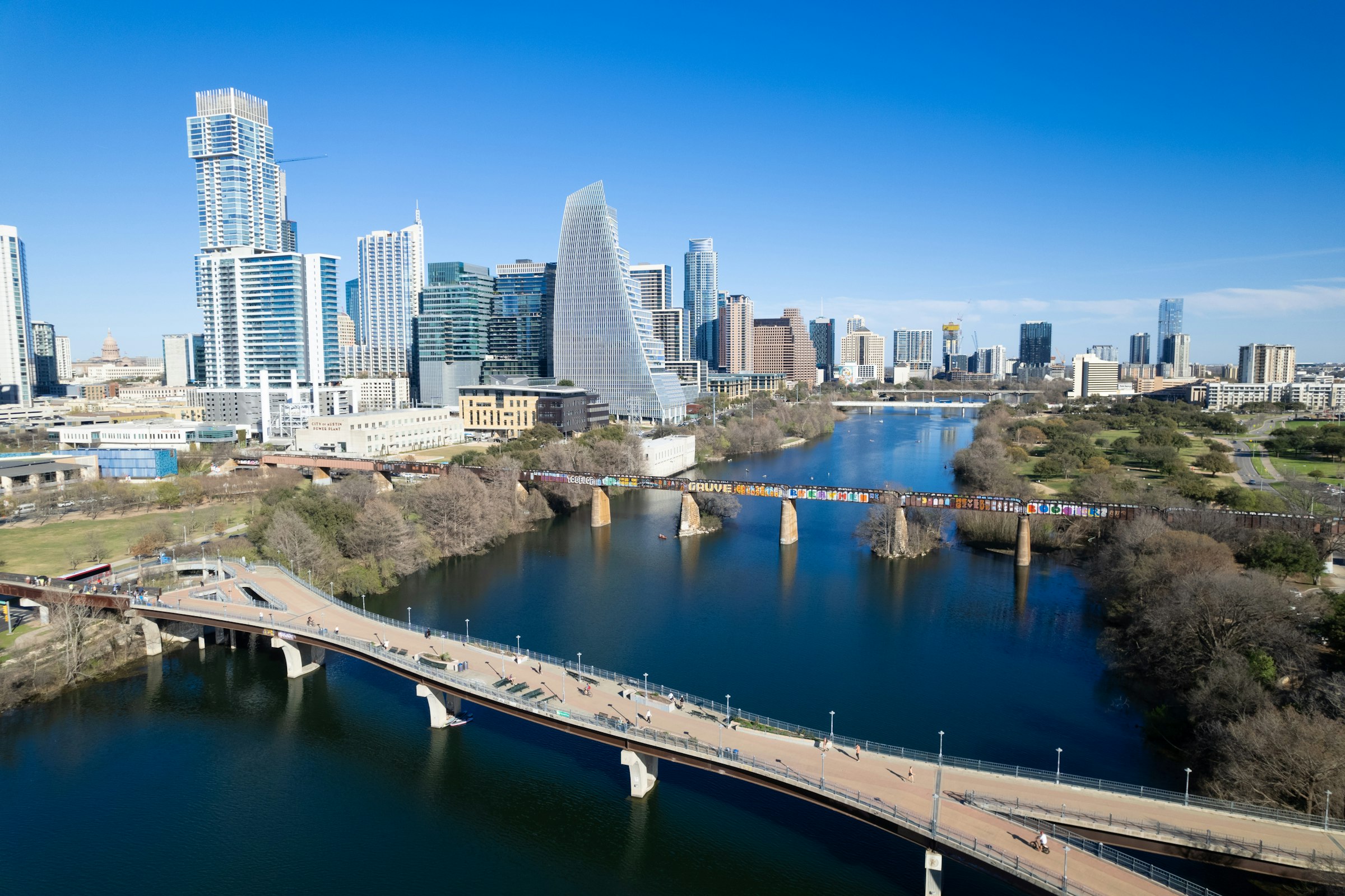
| Photography | Unsplash: Drone Doggy (Lady Bird Lake), Justin Wallace (South Congress; Congress Avenue and the Capitol) | 2026-10-23 |
Until the Austin Half Marathon · 14 Feb 2027
— days
— hrs— min— sec
You might also be interested in

Osaka Marathon
Osaka, Japan · 28 Feb 2027
Down Midosuji to the docks and back, with one short climb onto the plateau before the castle.

Tokyo Marathon
Tokyo, Japan · 7 Mar 2027
Down off the Shinjuku plateau, out to Asakusa and back through Ginza to a finish by the Imperial Palace.
Barcelona Marathon
Barcelona, Spain · 14 Mar 2027
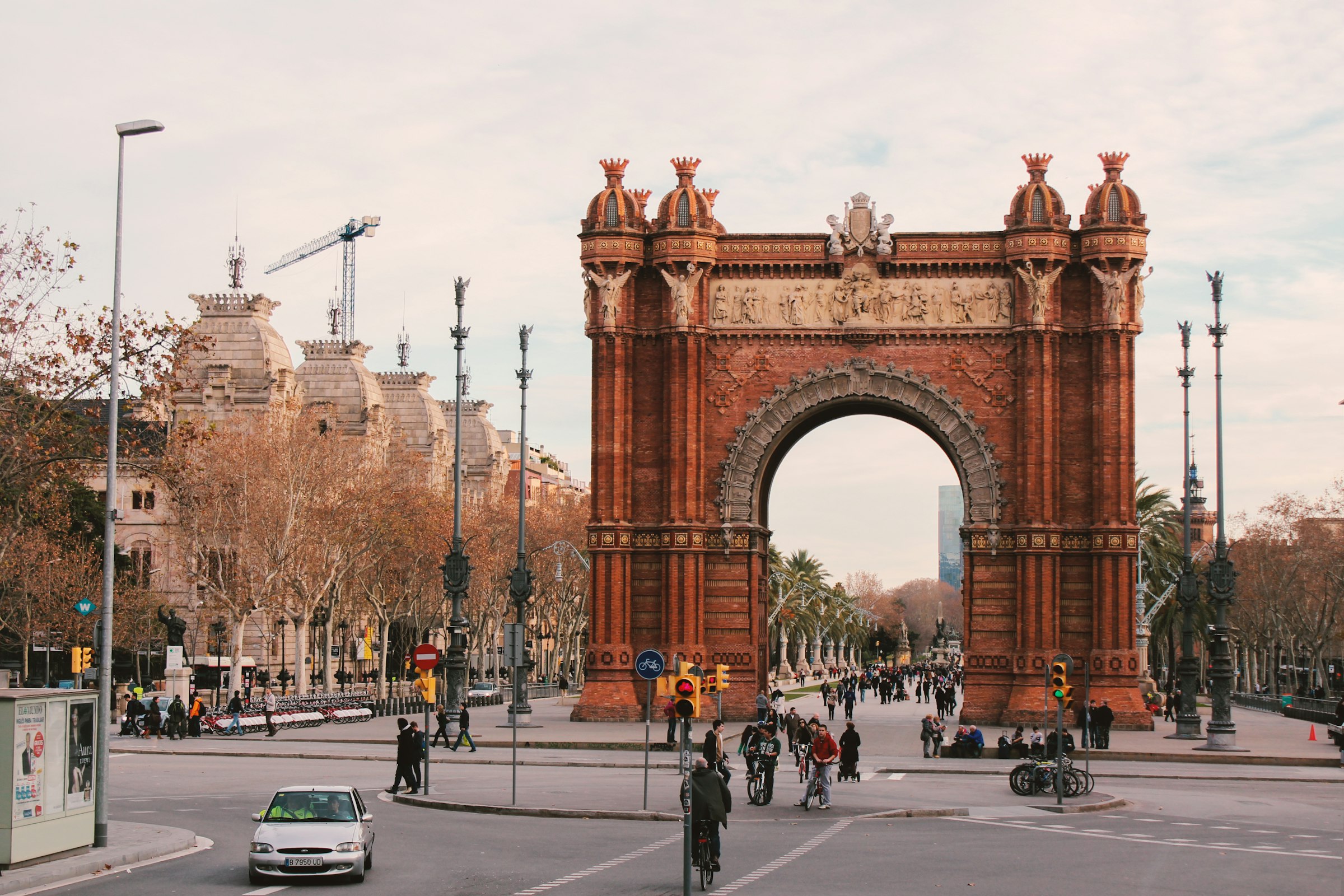
Through the Eixample past three Gaudí buildings, down to the harbour and along the sea, and back up to the Arc de Triomf.