Madrid Half Marathon
Madrid, Spain The fourth Sunday in April: 25 April in 2027
The marathon's first nineteen kilometres, north to Plaza de Castilla and across the city to Sol, then down the Paseo del Prado to the finish.
Overview
It climbs 171 m, and the highest point comes early, at Plaza de Castilla. The last two kilometres, from Sol to the Prado, run downhill.
19,846 finished in 2026, more than half again as many as ran the marathon.
- When
- The 2027 Madrid Half Marathon is on Sunday, 25 April 2027, starting at 8:45am local time on Paseo de la Castellana, Plaza de San Juan de la Cruz.
- Course
- The Madrid half's course climbs 171 m in all, with its lowest point at 637 m and its highest at 731 m.
- Entry
- Entry to the Madrid half is first come, first served (open for 2027), and costs €100 for 2027.
- Field
- The 2026 Madrid Half Marathon had a half-marathon field of 19,846.
- Weather
- Across 29 years, the Madrid half's race-day temperature has a median of 14.1 °C.
- Time limit
- The Madrid half's time limit is 3 hours from the last wave.
Marathon Course · every marathon course, measured the same way
Madrid Half Marathon
The marathon's first nineteen kilometres, north to Plaza de Castilla and across the city to Sol, then down the Paseo del Prado to the finish. Paseo de la Castellana → Paseo de Recoletos, Madrid, Spain.
- Distance
- 21.1 km
- Ascent
- 171 m
- Descent
- 197 m
- Net
- −25 m
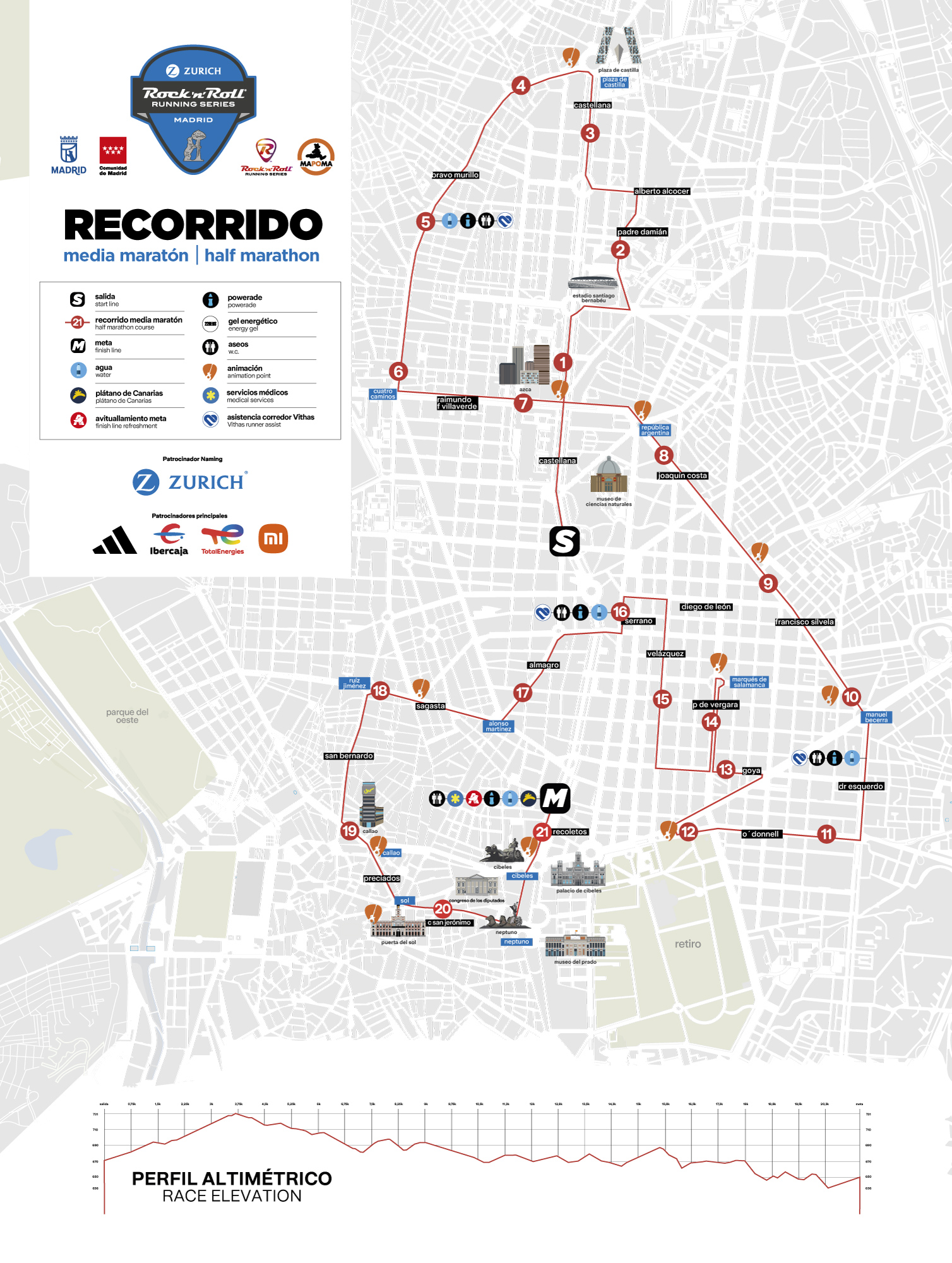
Course map and elevation
5 km splits marked · the dashed line is the marathon, which the half follows to Puerta del Sol at about 19.6 km and rejoins at Cibeles for the finish · hover or drag the profile below to move along the courseElevation · the organiser's 2026 course file · Sonny 1" .hgt tiles — CC BY 4.0 · smoothed 100 m 637–731 m
—
0.04.28.512.716.921.2
kmmi — elev — grade — hover or drag the profile
The highest point is 731 m on Bravo Murillo near Plaza de Castilla, at about 3.8 km. The steepest climbing kilometre is up Calle de Velázquez through Salamanca, 21 m, and the steepest descending one comes three kilometres later, 23 m down Sagasta towards San Bernardo. The lowest point, 637 m, is on the Paseo del Prado at about 20.4 km, and the finish on Recoletos is 11 m above it. Add up the energy cost of every gradient and the course comes out about level with a flat 21.1 km.
Take it with you
Course GPX Organiser's course map
The GPX is ours: our resampled line, a point every 25 m, carrying Sonny 1" .hgt tiles — CC BY 4.0 elevation rather than the GPS noise a watch file usually holds.
Sonny 1" .hgt tiles — CC BY 4.0, the organiser's 2026 course file, smoothed 100 m · marathoncourse.com/half-marathons/madrid/ · checked 2026-11-21
How to enter: dates and fees
There are no deferrals. An injury with a medical report gets 75 % back until 15 March 2027, and you can switch distance while places last. The marathon page has the rest of how entry works.
History
The route changed in 2025. Until then the half turned west after Plaza de Castilla, through the Parque del Oeste and the Casa de Campo; now it stays with the marathon across Salamanca to Sol. Isabel Barreiro has won both races on the new course, the second in 1:12:25 in 2026, when 19,846 finished. The race's full history is on the marathon page.
- 2013The organiser's half results begin
- 2019An election moves the race to Saturday; Nuria Lugueros wins
- 2020Postponed to November, then cancelled
- 2021Run in September, in waves of 500
- 2022Toni Abadía and Marta Galimany win, and 11,487 finish
- 2023Victor Kipruto runs 1:00:04, with the first three inside 61 minutes
- 2024Three Kenyans finish within eight seconds
- 2025A new route east through Salamanca; Isabel Barreiro wins, and 19,343 finish
- 2026Barreiro wins again, and 19,846 finish
201520202025
Race day: start times and cut-offs
- 8:45am
- Time limit
- 3h from the last wave
- 4
Water is at km 5, 10.5, 16 and 20, and at the finish. The two races part at Puerta del Sol: the half heads east towards the Congreso, and the marathon turns west along Calle Mayor.
The morning, hour by hour
- 7:00am
- Bag drop opens, Paseo de la Castellana between Hermosilla and Ortega y Gasset
- 8:45am
- Marathon and half start together, in waves
- 10:15am
- Start line closes
- 1:25pm
- Half finish closes
Cut-offs
- 5 km · 5.0 km
- 11:00am
- 10 km · 10.0 km
- 11:45am
- 15 km · 15.0 km
- 12:30pm
- 20 km · 20.0 km
- 1:15pm
The 8:45 start is 2026's; the organiser hasn't set the 2027 time yet. The 2027 regulation's clock times, at 9 minutes a kilometre from 10:15am, when the start line closes. The half's finish closes at 1:25pm.
Race-day weather, 1995–2025
- Median
- 14.1 °C
- Warm years
- 9 of 29
- Wet years
- 0 of 29
Race-day mean temperature, 1995-2025. Lime marks the hottest edition; the coldest and wettest carry a label only, so the colour still means one thing.
Frequently asked questions
When is the Madrid half?
Sunday 25 April 2027, with the marathon. In 2026 both started at 8:45am; the 2027 time isn't set yet.
Organiser, 2027.
Does the half follow the marathon course?
For its first 19.6 km, to Puerta del Sol. There the marathon turns west for the Royal Palace and the Casa de Campo, and the half turns east to the Paseo del Prado. They meet again at Cibeles for the last few hundred metres.
Organiser course files, 2026.
Is the half hilly?
It climbs 171 m, most of it in the first half. The highest point is at Plaza de Castilla, 3.8 km in, and the last two kilometres run downhill from Sol.
Sonny 1" terrain model, sampled every 25 m, smoothed over 100 m.
Has the course changed?
Yes, in 2025. The old half turned west after Plaza de Castilla, through the Parque del Oeste and the Casa de Campo; the new one stays with the marathon to Sol. Victor Kipruto's 1:00:04 from 2023 was run on the old course.
Organiser maps, 2024 and 2025.
Can I still enter for 2027?
Yes, at €100 until 30,000 have entered or 11 April 2027, then on a waiting list at €130. Add €4 for the licence.
Organiser price table, November 2026.
What is the time limit?
The cut-offs run at 9 minutes a kilometre from 10:15am, when the start line closes, and the half's finish closes at 1:25pm.
Organiser regulation, 2027.
How many people run it?
19,846 finished the half in 2026, up from 19,343 in 2025 and 11,487 in 2022.
Organiser figures for the 2026 edition.
What is the weather like on race day?
About 14.1 °C during a typical race: that's the median across 29 years, which have run from 6.6 °C to 20.5 °C. 0 of the 29 were wet.
ERA5 reanalysis for the race date, 1995-2025.
How accurate is the elevation figure?
It comes from Sonny 1" .hgt tiles — CC BY 4.0, sampled every 25 m along the course line and smoothed over 100 m. The raw-to-smoothed ratio here is 1.2. Around 1.3 means the model is reading the ground, not rooftops; above about 2.0 the total climb carries real noise, and the net change is the sturdier number.
0 missing samples · 1 bridge spans corrected.
Sources
Every fact on this page, its source, and the date it was checked · 9
| Fact | Source | Verified |
|---|---|---|
| Course line | The organiser's 2026 half-marathon file, linked from its course page (a Wikiloc trace it hosts), which measures 21.17 km, 0.4 % long | 2026-11-21 |
| Elevation | Sonny 1" .hgt tiles (CC BY 4.0), the model the marathon is measured on; one bridge interpolated, and road tunnels under the streets the course runs on left out | 2026-11-21 |
| Race-day weather | ERA5 via Open-Meteo archive, 9:00 to 12:00 on the fourth Sunday in April, 1995 to 2025, without 2020 and 2021 | 2026-11-21 |
| Results and field | Official results from the Spanish athletics federation, 2022, 2025 and 2026 | 2026-11-21 |
| Entry | Organiser entry page and 2027 price table | 2026-11-21 |
| Race day | Organiser 2027 regulation | 2026-11-21 |
| History | Organiser race reports, 2019 to 2026, and a 2023 race report | 2026-11-21 |
| Steepest-kilometre place names | OpenStreetMap via Nominatim reverse geocoding (ODbL) | 2026-11-21 |
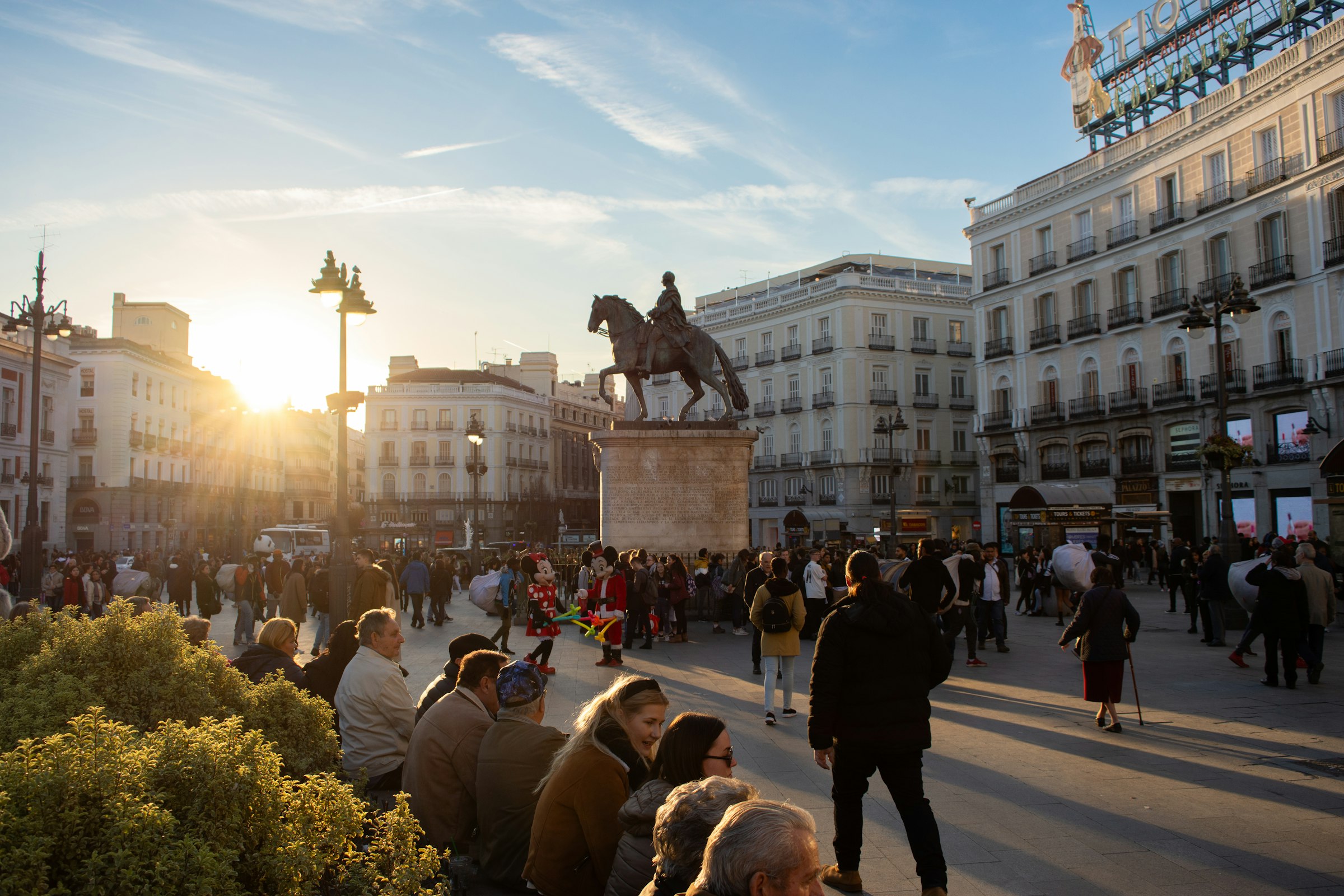
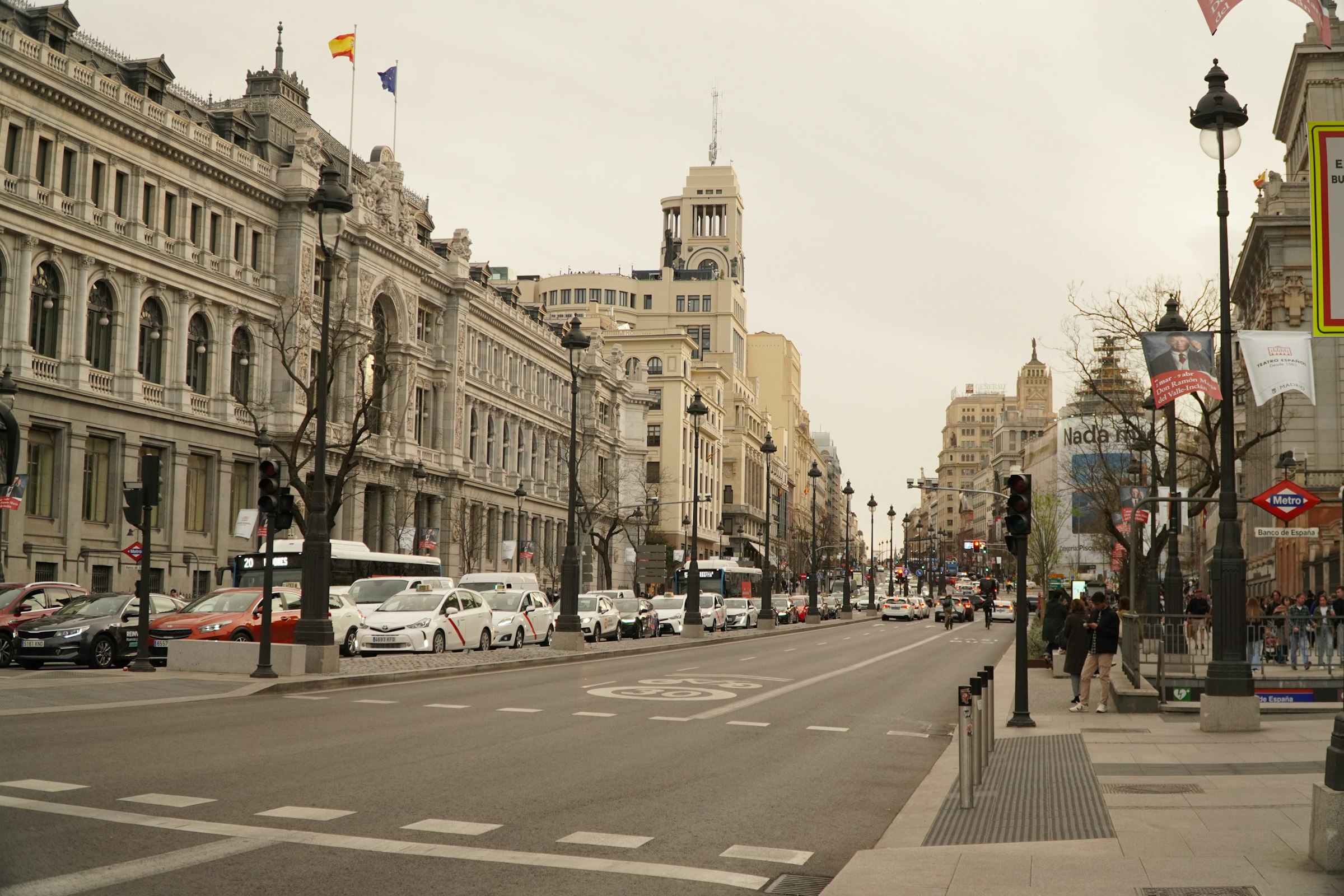
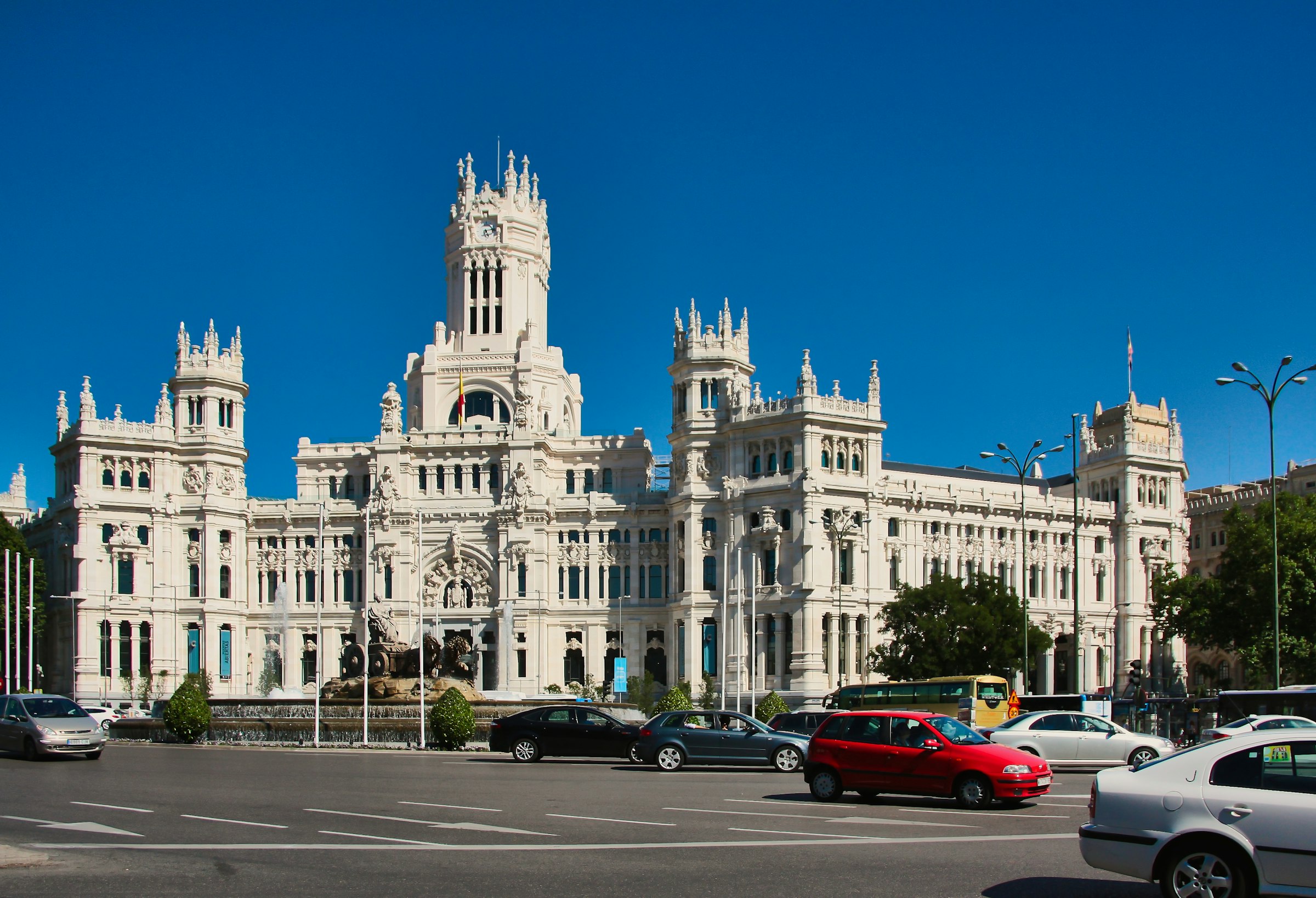
| Photography | Unsplash: Alex Moliski (Puerta del Sol), Iñigo Telleria Perez (Gran Vía), Domenico Adornato (Cibeles) | 2026-11-21 |
Until the Madrid Half Marathon · 25 Apr 2027
— days
— hrs— min— sec
You might also be interested in
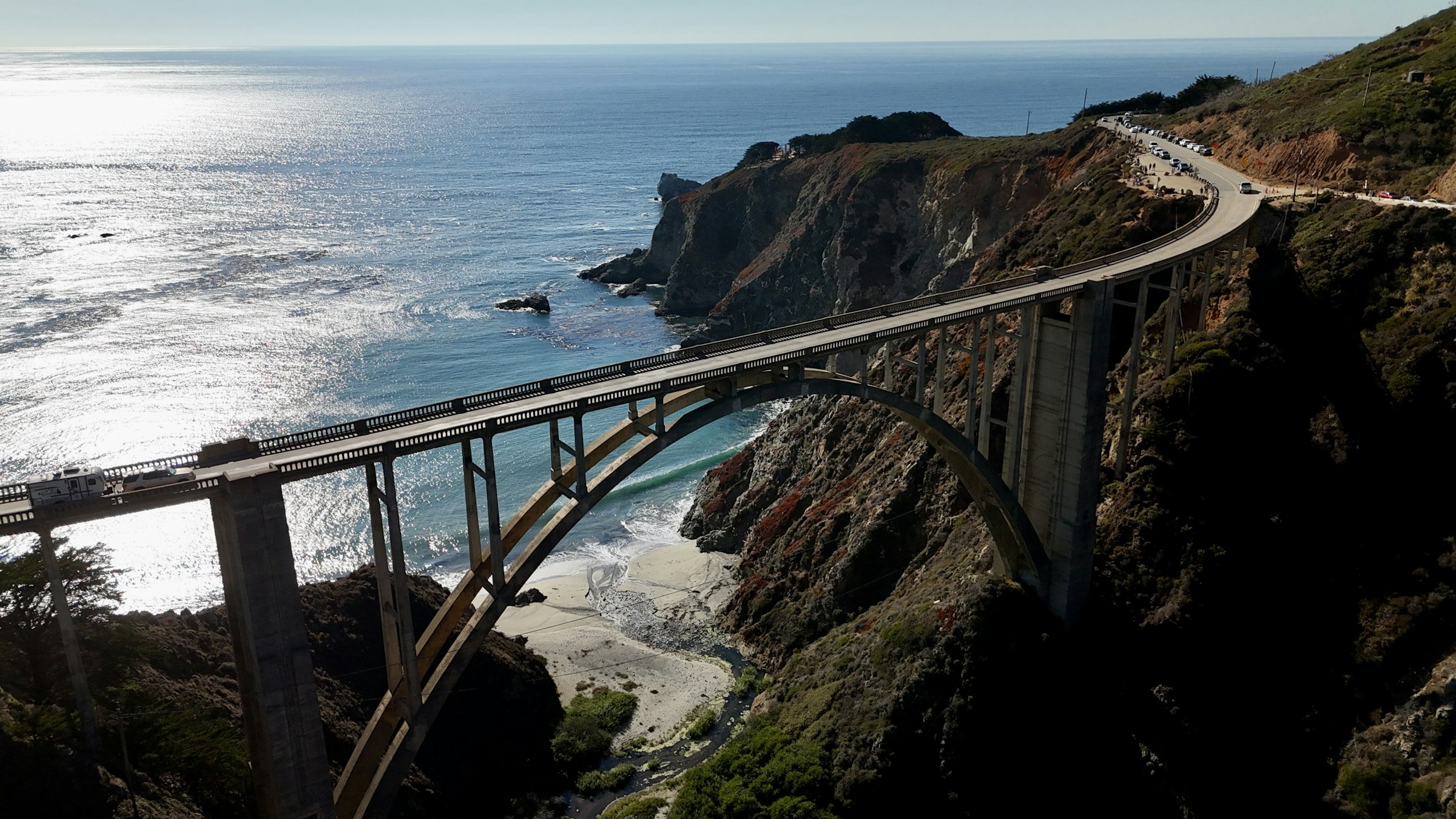
Big Sur Marathon
Big Sur, USA · 25 Apr 2027
Twenty-six miles of Highway 1 with the Pacific on one side and no way out on the other.
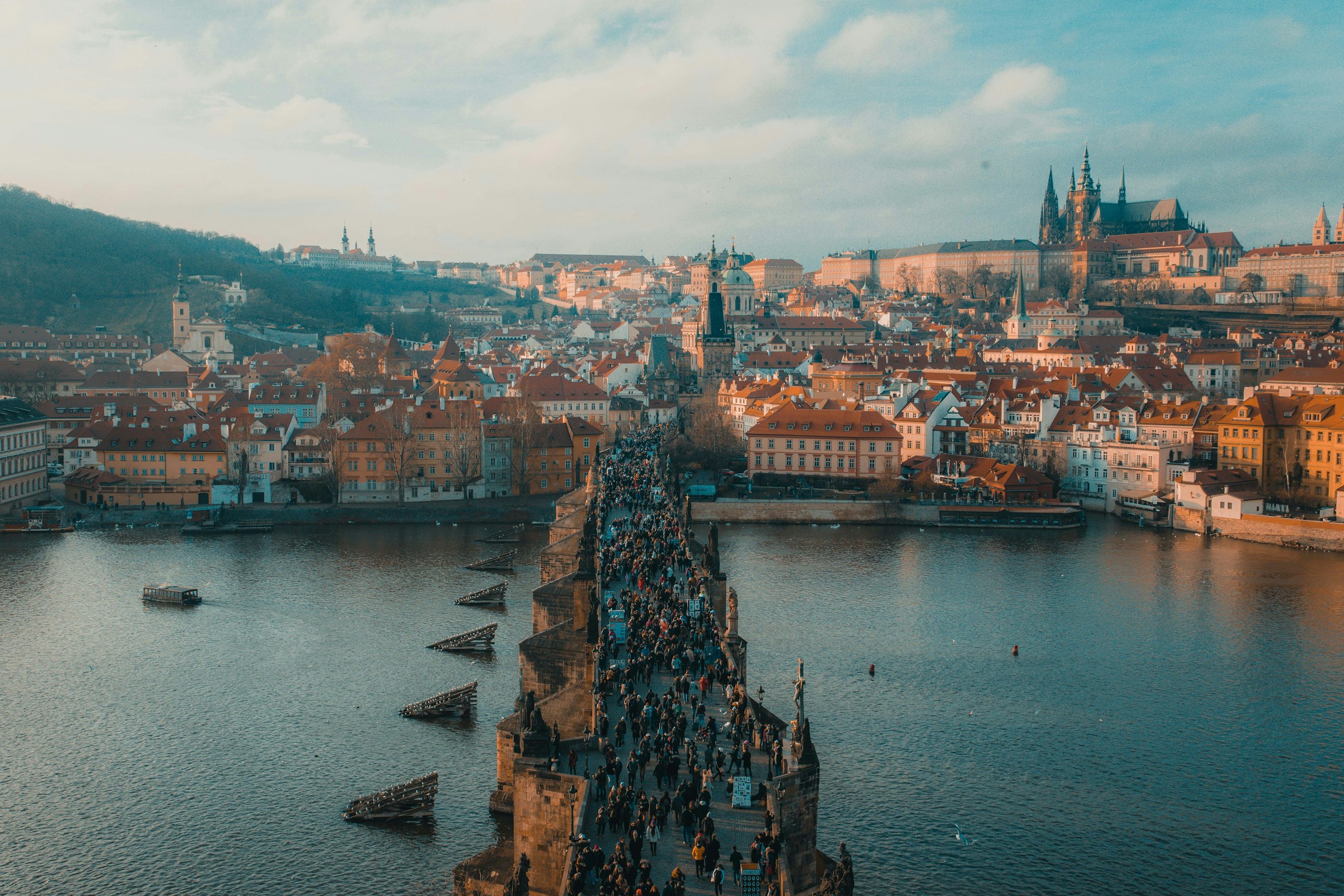
Prague Marathon
Prague, Czech Republic · 2 May 2027
Across the Charles Bridge in the first three kilometres, along both banks of the Vltava, and through Old Town Square three times.
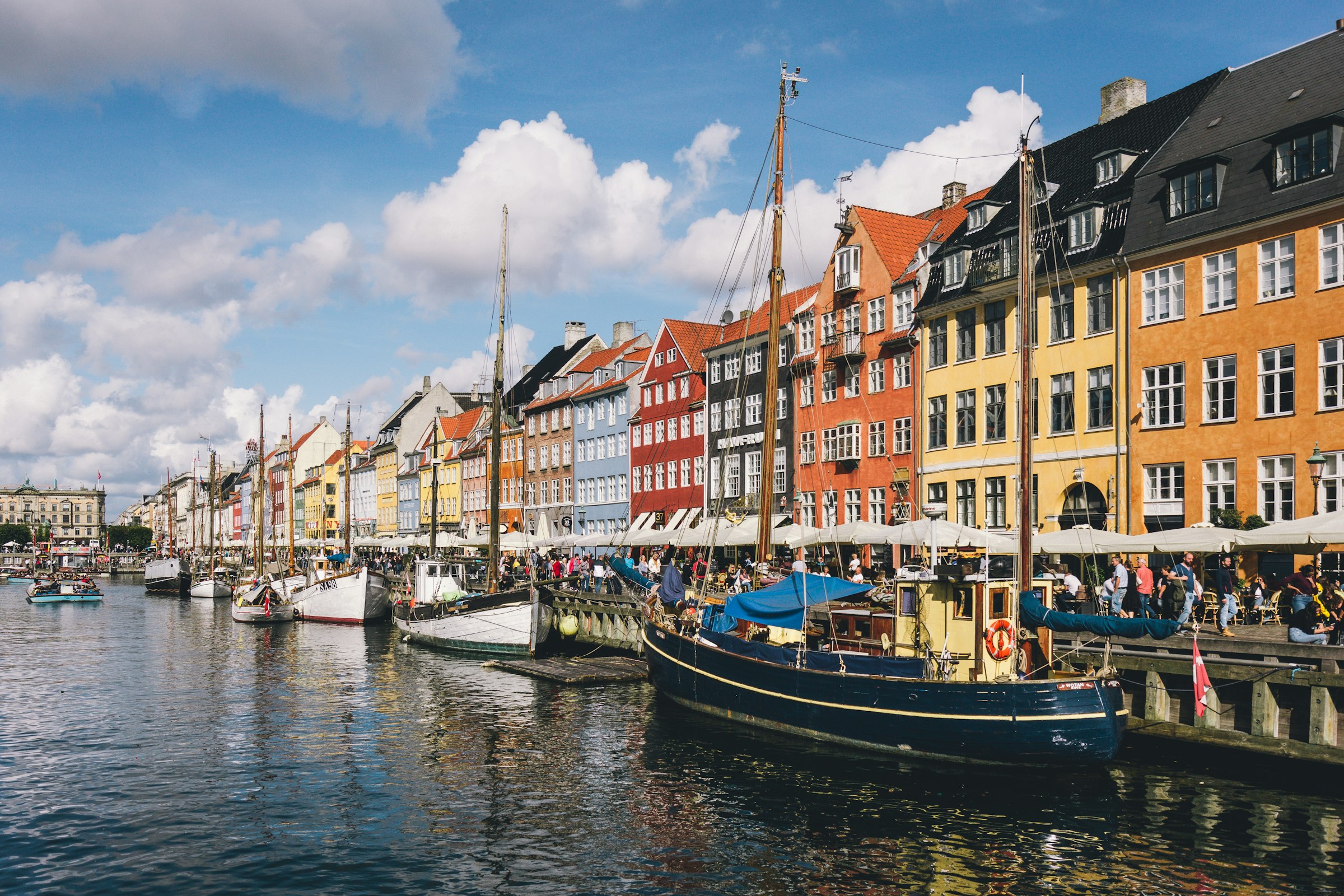
Copenhagen Marathon
Copenhagen, Denmark · 9 May 2027
Over the harbour to Christianshavn and back, out through Nørrebro and Frederiksberg, and home by Kongens Nytorv and Nyboder to Øster Allé.