Men’s course record
2:01:48
Sisay Lemma · 2023
- Average pace
- 2:53 / km
- Terrain-adjusted
- +0.04 %
Europe15
Americas6
Valencia, Spain The first Sunday in December Founded 1981
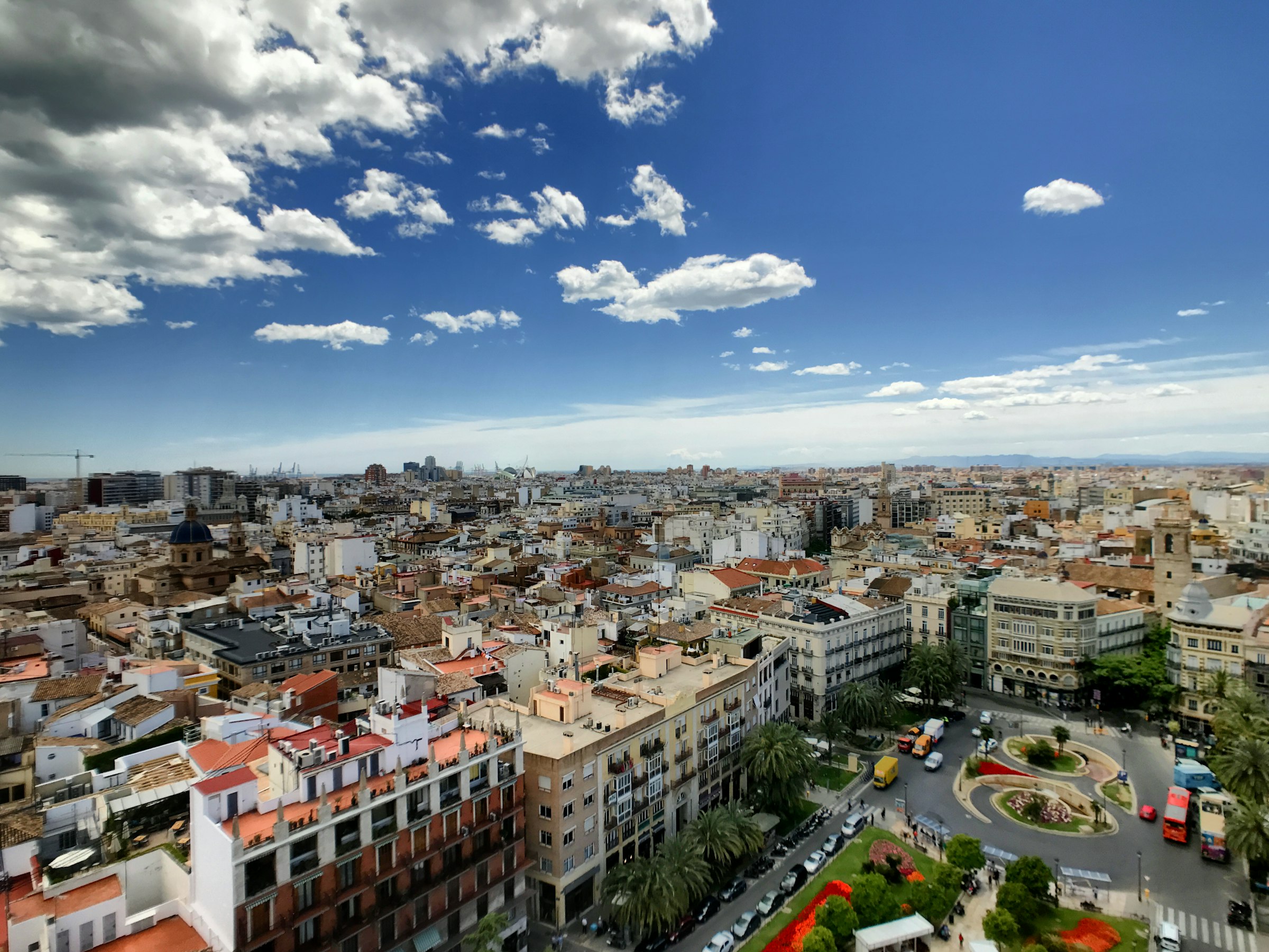
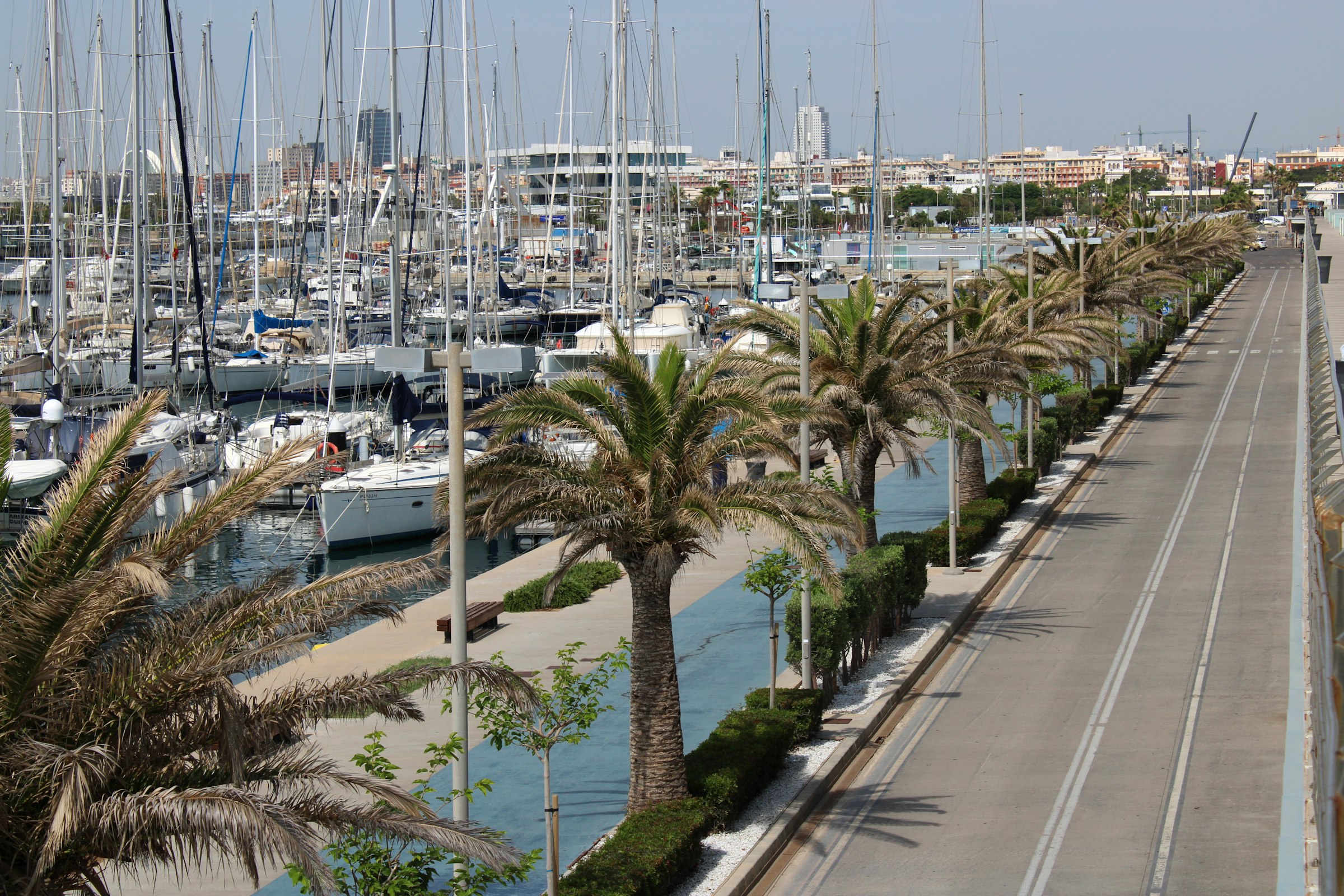
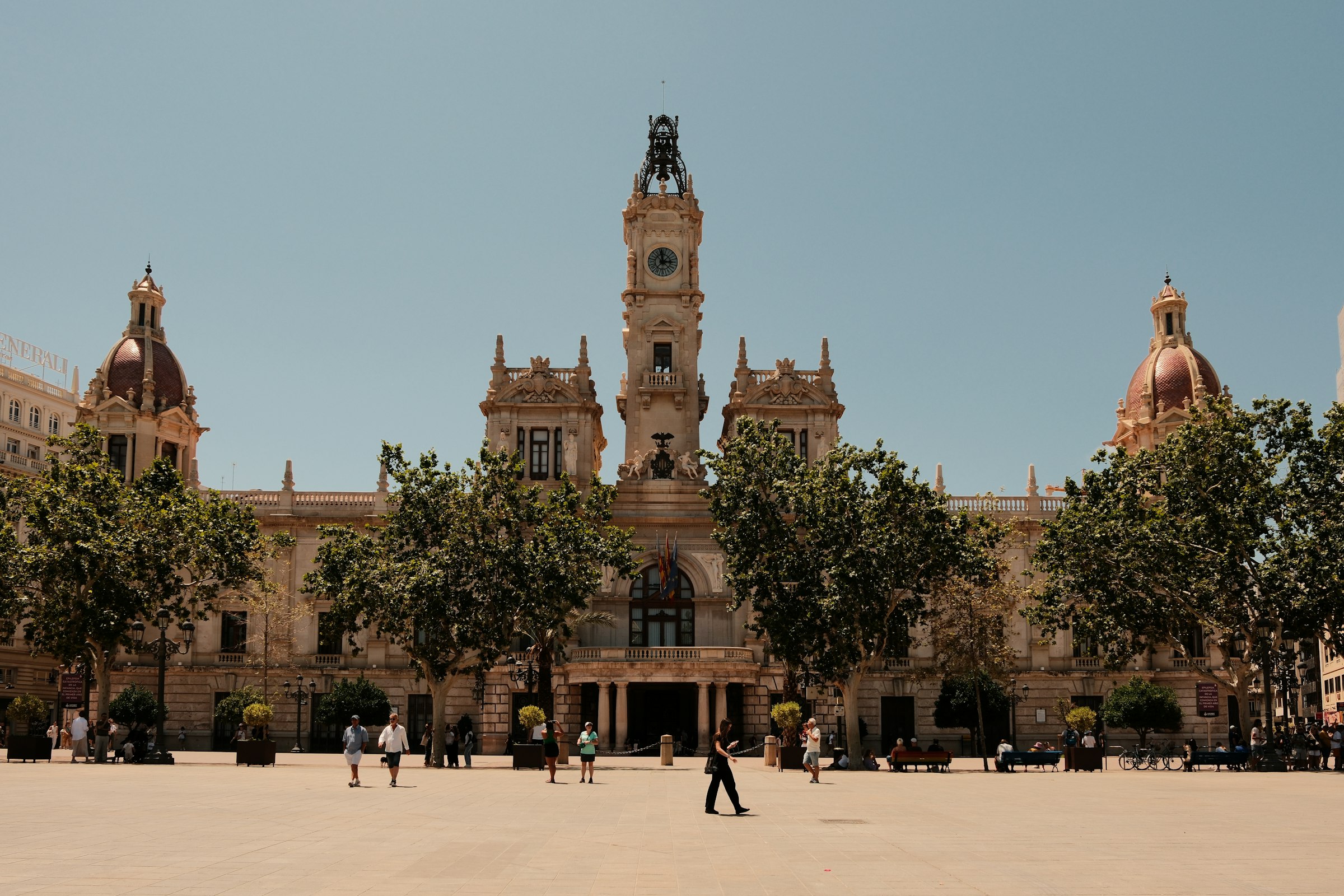
Out to the port, round the old city and home along the Turia gardens, to a finish laid over the water.
Marathon Course · every marathon course, measured the same way
Valencia Marathon
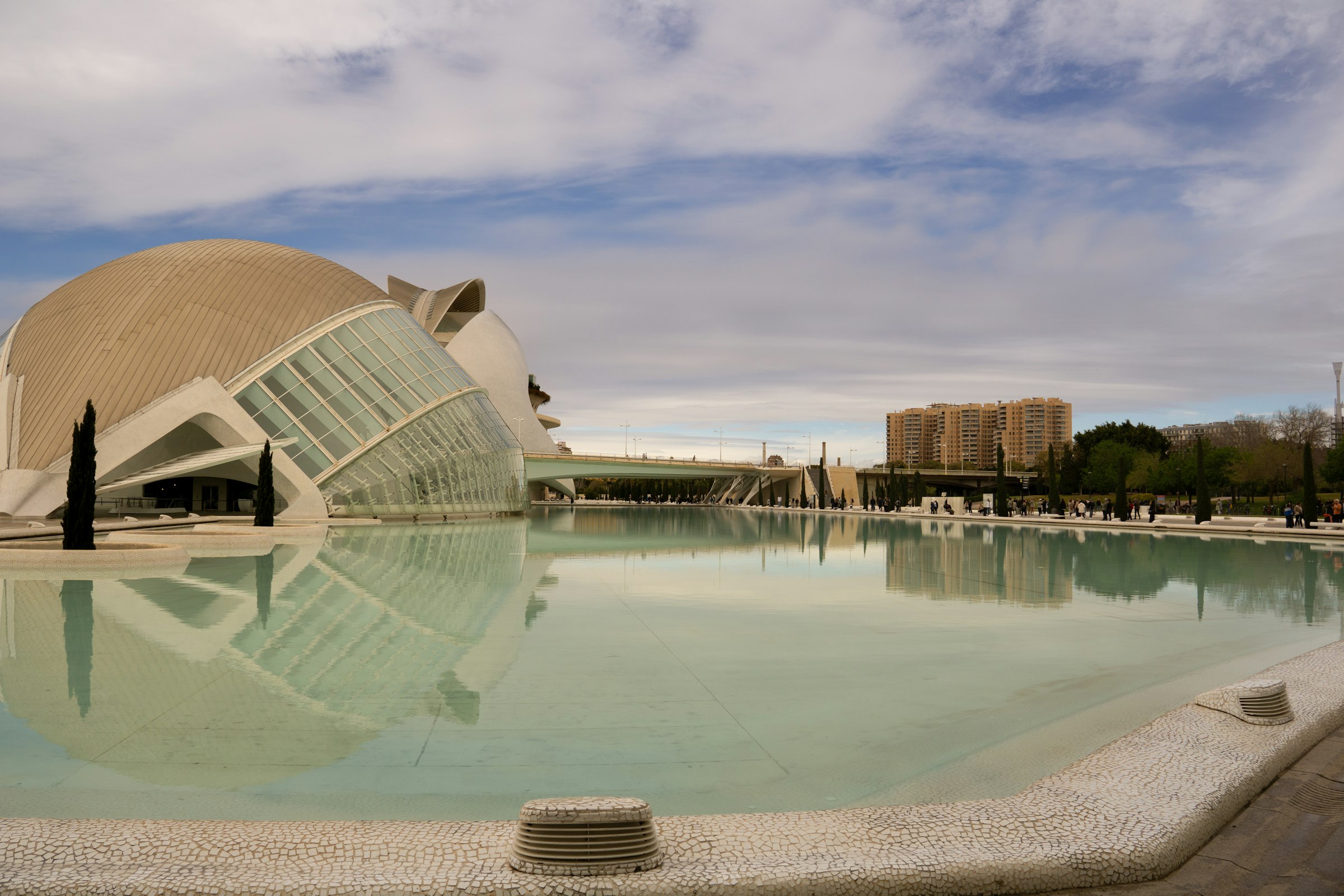
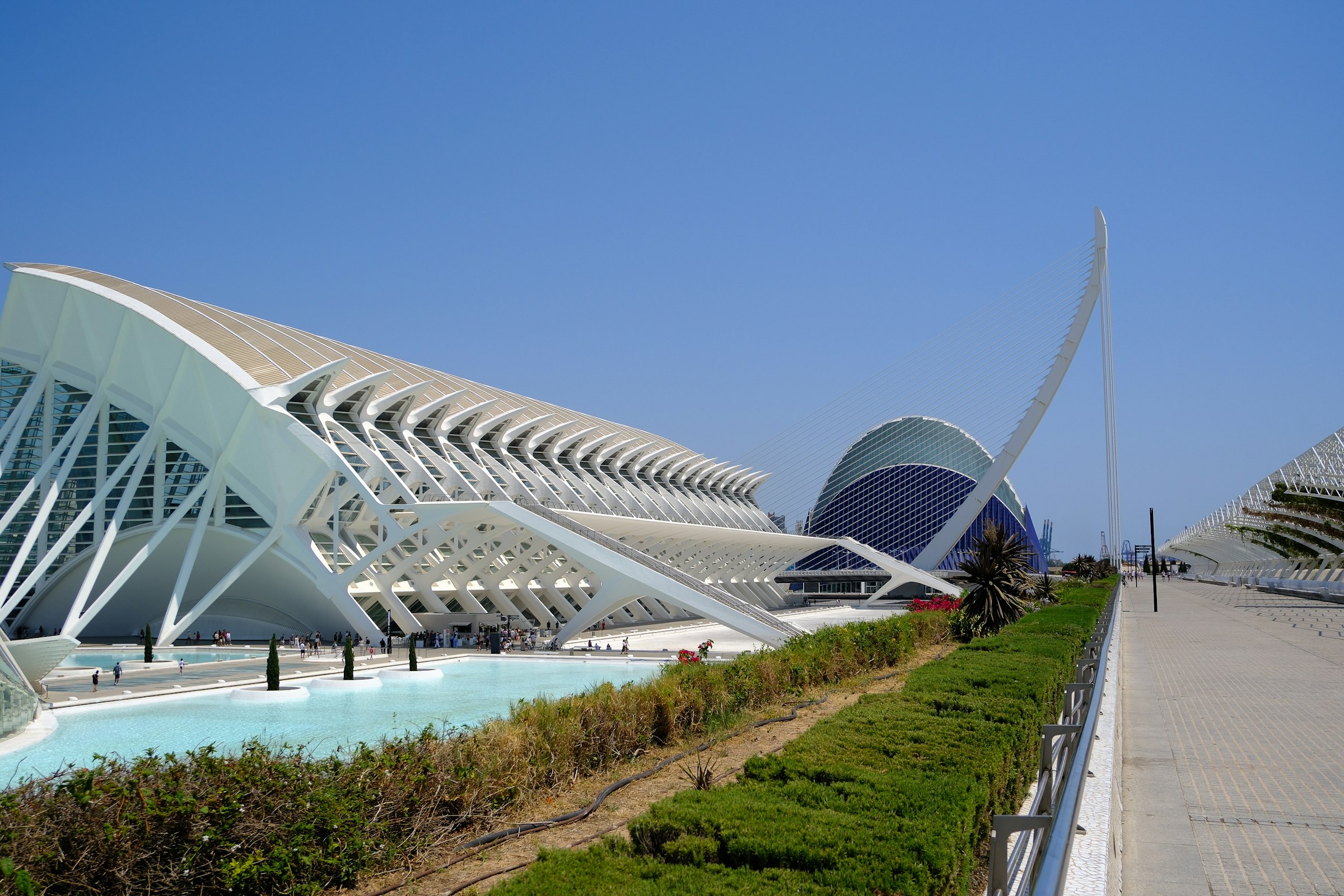
Out to the port, round the old city and home along the Turia gardens, to a finish laid over the water. City of Arts and Sciences → City of Arts and Sciences, Valencia, Spain.
Elevation · a third-party GPX of the 2025 route, which the organiser hasn't changed for 2026 · Sonny 1" .hgt tiles — CC BY 4.0 · smoothed 100 m 2–26 m
—
0.08.516.925.433.942.3
kmmi — elev — grade — hover or drag the profile
The start is 3 m above sea level, and the lowest ground comes almost at once: 2 m by the port at 3.4 km. For the whole first half the course is never higher than 13 m.
The one rise is in the west. After the old city the ground climbs gently to the high point, 26 m at 34.9 km, at the western end of the Turia gardens. The steepest climbing kilometre, from 33.1 km, gains only 5 m.
From there it's downhill nearly all the way home, 23 m over the last 7.4 km. The chart draws three crossings of the Turia gardens as straight lines, because the elevation model reads the park floor under a bridge instead of the deck. Add up the energy cost of every gradient and the course comes out about level with a flat 42.195 km.
Take it with you
Course GPX Organiser's course map
The GPX is ours: our resampled line, a point every 25 m, carrying Sonny 1" .hgt tiles — CC BY 4.0 elevation rather than the GPS noise a watch file usually holds.
Sonny 1" .hgt tiles — CC BY 4.0, a third-party GPX of the 2025 route, which the organiser hasn't changed for 2026, smoothed 100 m · marathoncourse.com/marathons/valencia/ · checked 2026-09-24
1990200020102020
Pace is derived from the certified distance. Terrain-adjusted figures come from the same model that ranks every course on this site.
Men’s course record
2:01:48
Sisay Lemma · 2023
Women’s course record
2:14:00
Joyciline Jepkosgei · 2025
The morning, hour by hour
Cut-offs
The organiser's 2026 regulations. The limit is 5 hours 30 minutes net. Runners who reach 25 km after 12:57pm must stop there.
Race-day mean temperature, 1995-2025. Lime marks the hottest edition; the coldest and wettest carry a label only, so the colour still means one thing.
Very nearly. It climbs 73 m in all and never rises more than 26 m above sea level. The first half stays under 13 m. The one gentle rise is in the west, and the last 7.4 km run downhill to the finish.
Sonny's LiDAR DTM of Europe, sampled every 25 m, smoothed over 100 m. Raw-to-smoothed ratio 1.79.
For 2026 it ran from 16 to 26 December 2025, after a loyalty window for runners already entered for 2025, and the draw was on 12 January. The race is sold out, and places that come free go to the waiting list.
The organiser's registration page for 2026.
Five and a half hours from when you cross the start line, and the finish closes at 3:15pm. There's one cut-off on the way: anyone who reaches 25 km after 12:57pm has to stop.
The organiser's 2026 regulations.
Yes. Sisay Lemma ran 2:01:48 here in 2023 and Joyciline Jepkosgei 2:14:00 in 2025. John Korir won the 2025 men's race in 2:02:24, and Amanal Petros ran a German record, 2:04:03, in second.
Race results; World Athletics' report of the 2025 race.
On a walkway laid across the pools at the City of Arts and Sciences, so the last few metres are run over water. The start is a few hundred metres away, and the two are 55 m apart as the crow flies.
The organiser's course page; this site's course line.
No. A place can't be carried over to the next year for any reason. You can pass it to another runner, for €5 until 6 November or €25 until 26 November, and an injured runner can get part of the fee back.
The organiser's 2026 regulations.
Yes. The course finishes at the height it starts, 55 m from the start line, so it passes both World Athletics tests with room to spare. It's been a Platinum Label race since 2020.
Heights and the 55 m gap from this site's course line, checked against World Athletics Competition Rule 31.21.
The 2026 race is capped at 36,000 and sold out. In 2025, 30,777 finished, the first time Valencia's field passed 30,000.
Organiser figures for the 2026 edition.
About 12.4 °C during a typical race: that's the median across 31 years, which have run from 7.1 °C to 17.7 °C. 4 of the 31 were wet.
ERA5 reanalysis for the race date, 1995-2025.
Valencia is certified, and it finishes at the height it starts, so the B.A.A.'s downhill adjustment, which begins at 1,500 ft of net loss, has nothing to act on. The last 7.4 km run gently downhill to the finish, losing 23 m.
Net drop +0 m from this site's course line; 2027 adjustment None. Certification platinum label: World Athletics Platinum Label since 2020; record-eligible.
It comes from Sonny 1" .hgt tiles — CC BY 4.0, sampled every 25 m along the course line and smoothed over 100 m. The raw-to-smoothed ratio here is 1.79. Around 1.3 means the model is reading the ground, not rooftops; above about 2.0 the total climb carries real noise, and the net change is the sturdier number.
0 missing samples · 3 bridge spans corrected.
| Fact | Source | Verified |
|---|---|---|
| Course line | Third-party GPX for the 2025 edition. The organiser has announced no change for 2026. The file measures 42.631 km, 1.03 % long, from 748 points; our resampled line measures 42.337 km, so distances on this page run about 0.3 % long. Archived with its hash in data/raw/sources. | 2026-09-24 |
| Elevation | Sonny's LiDAR DTM of Europe (CC BY 4.0), sampled every 25 m, smoothed over 100 m. Raw-to-smoothed gain ratio 1.79. The model's 30 m cells are coarse for a course this flat. Three bridges over the Turia gardens were straightened between their ends, because the model reads the park floor below the deck. | 2026-09-24 |
| Race-day weather | ERA5 reanalysis via the Open-Meteo archive, 1995–2025 at the start, 08:00–14:00 local, sampled on the first Sunday in December. That rule reproduces the 2023, 2024 and 2025 dates. 2020, when only an elite race was held, is included. | 2026-09-24 |
| Course records | Sisay Lemma 2:01:48 (2023) and Joyciline Jepkosgei 2:14:00 (2025), checked against World Athletics' report of the 2025 race, which broke only the women's record. | 2026-09-24 |
| Entry and field | The organiser's 2026 regulations: a maximum of 36,000 numbers, €80 for the first 10,000 and up to €180 for the rest. 30,777 finished in 2025, from the organiser's finishers' magazine. | 2026-09-24 |
| Race day | The organiser's 2026 regulations: nine waves from 8:15 to 9:35am, a 5 h 30 min net limit, a cut-off at 25 km at 12:57pm, and the finish closing at 3:15pm. | 2026-09-24 |
| Record eligibility | World Athletics Competition Rules, Book C, Part III — Competition Rule 31.21: a record course may lose no more than 1 m per kilometre, and its start and finish may be no more than 21.098 km apart. Valencia starts and finishes at the same height, 55 m apart. Inside both. | 2026-09-24 |
Until the Valencia Marathon · 6 Dec 2026
— days
— hrs— min— sec
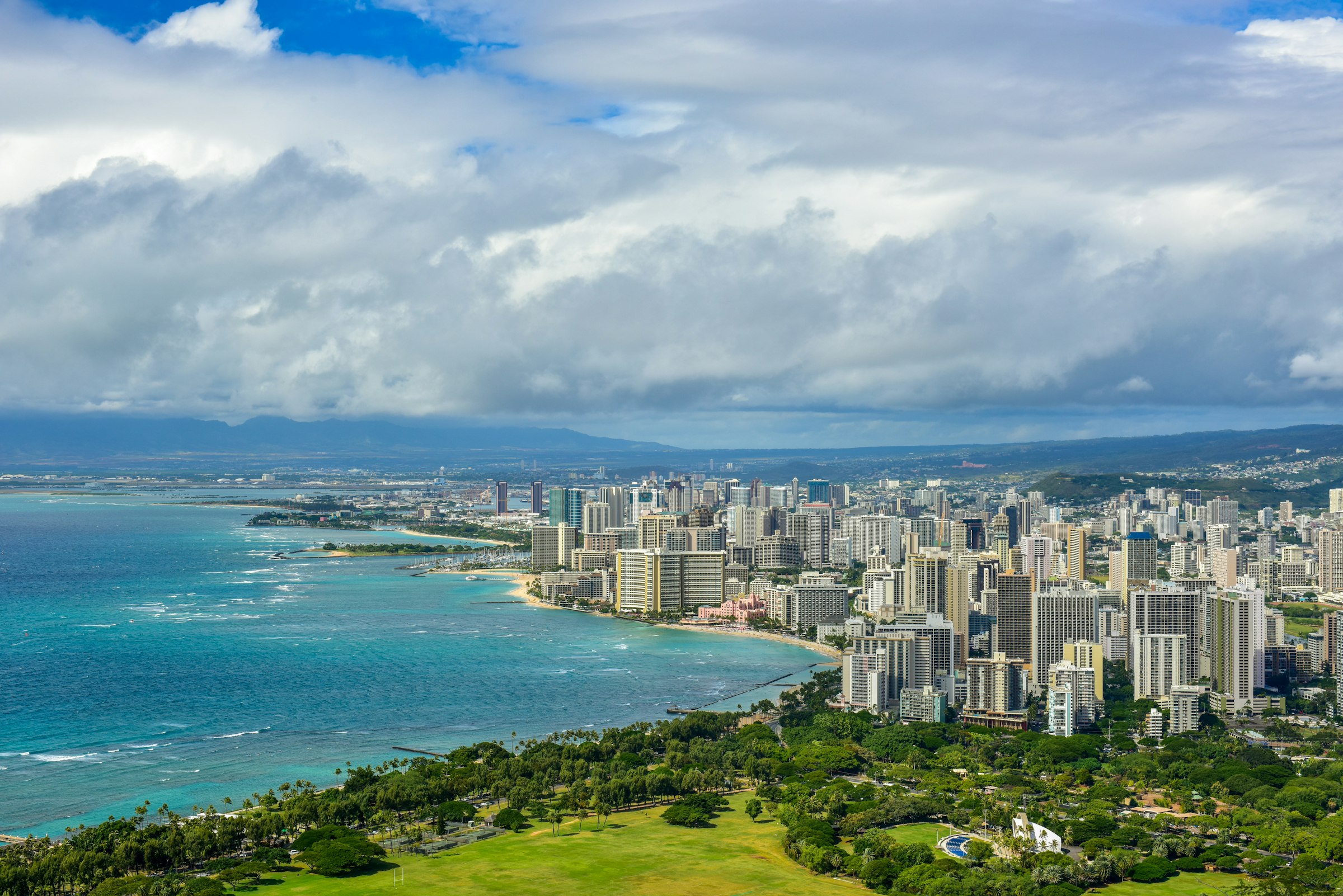
Honolulu, USA · 13 Dec 2026
A 5:00am start under fireworks, twice round Diamond Head, and a finish that stays open until the last runner is in.
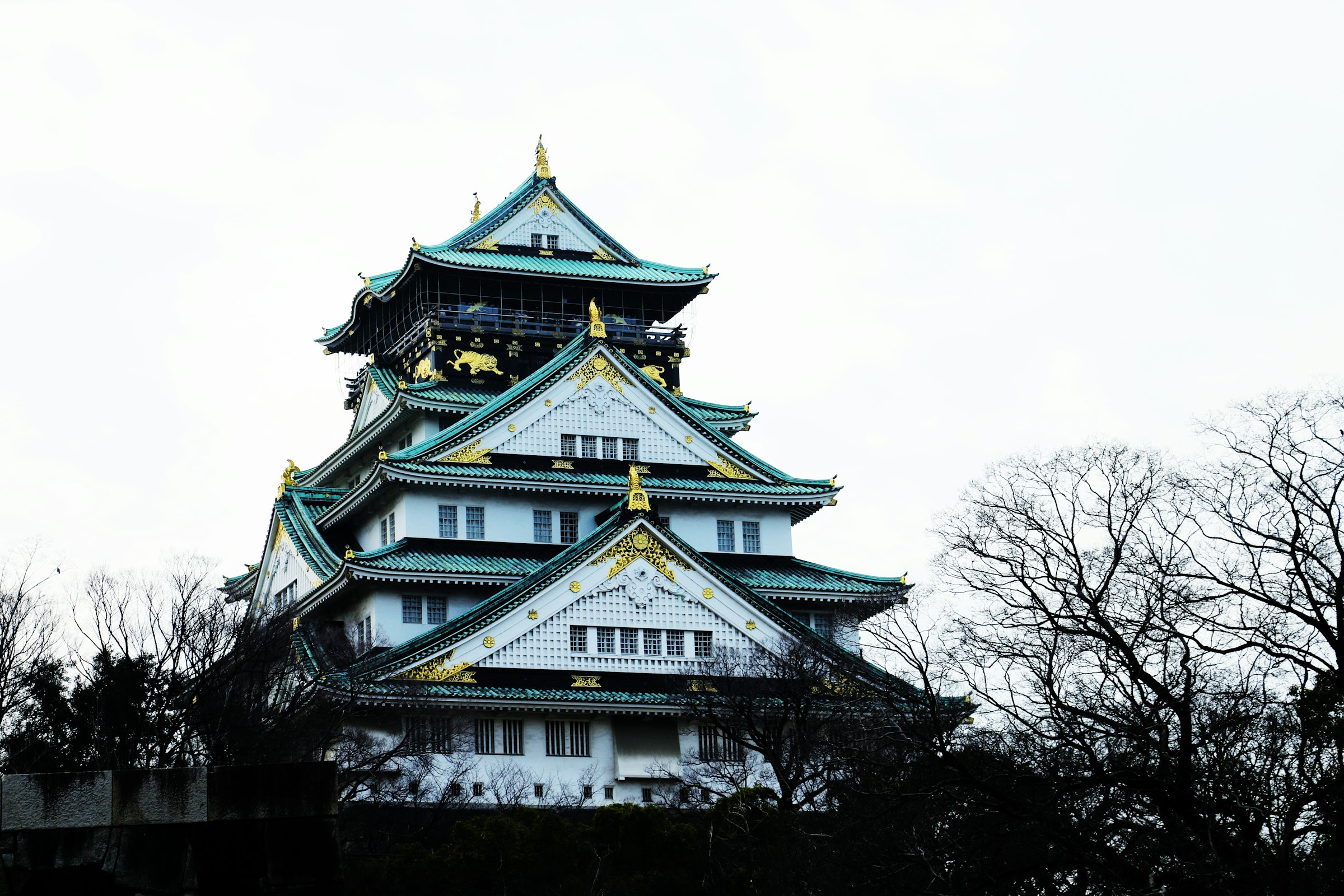
Osaka, Japan · 28 Feb 2027
Down Midosuji to the docks and back, with one short climb onto the plateau before the castle.

Tokyo, Japan · 7 Mar 2027
Down off the Shinjuku plateau, out to Asakusa and back through Ginza to a finish by the Imperial Palace.