Men’s course record
58:42
Eric Kiptanui · 2018
- Average pace
- 2:47 / km
- Terrain-adjusted
- +0.05 %
Europe17
Americas9
Oceania4
Asia3
Africa1
Elsewhere1
Europe7
Oceania3
Americas2
Elsewhere1
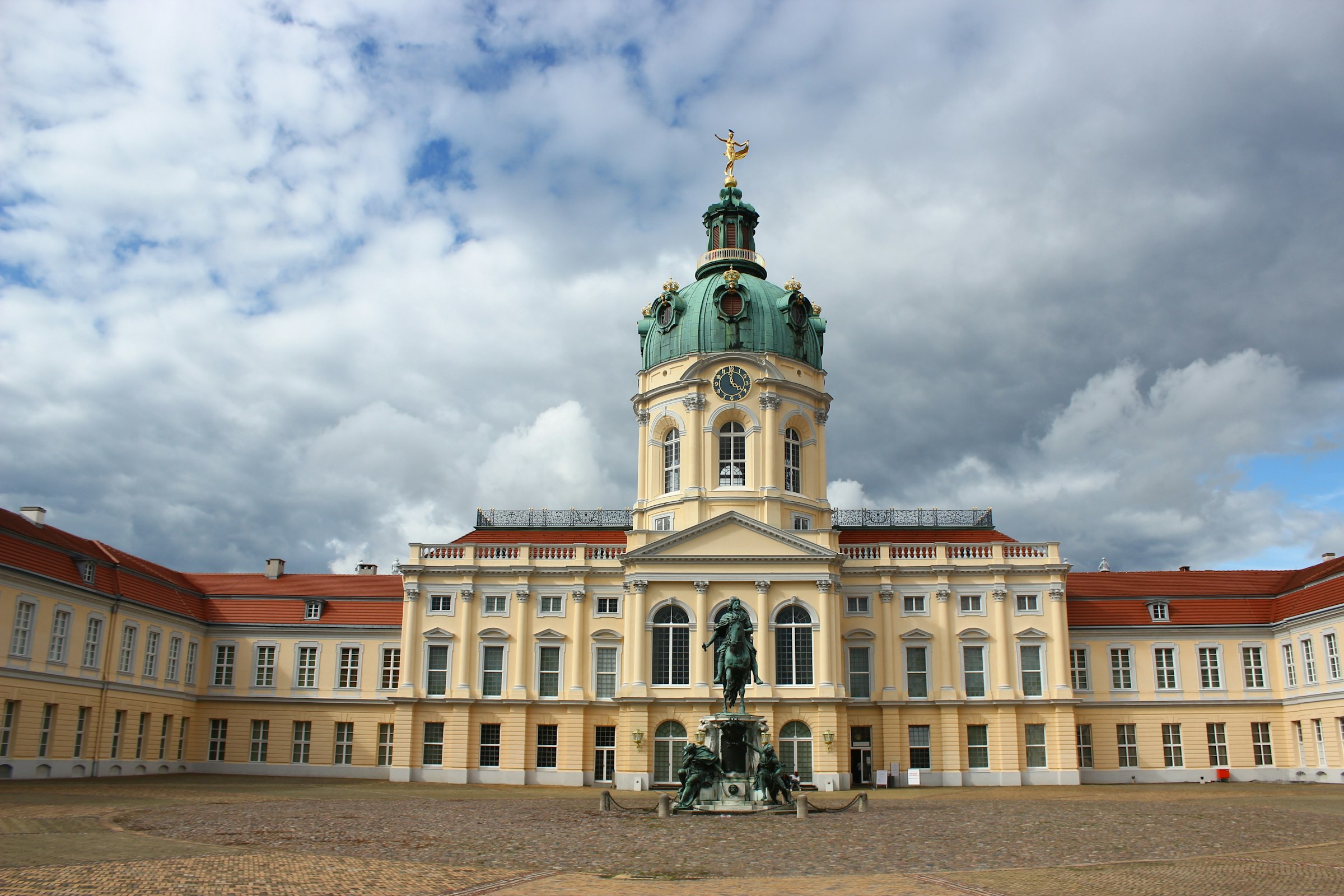
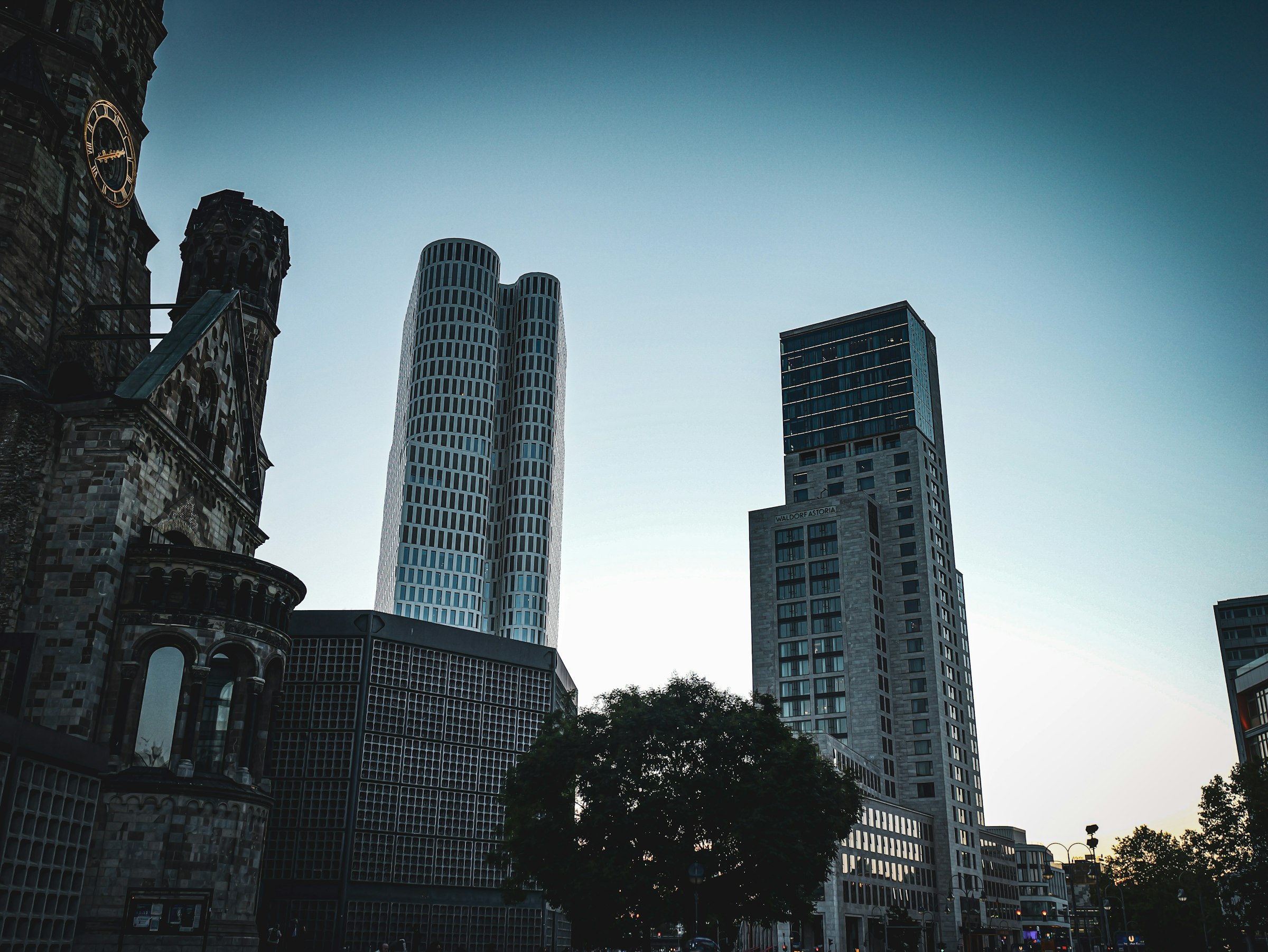
Berlin, Germany A Sunday in late March or early April, set by the organiser: 4 April in 2027
A spring half from the Tiergarten out to Charlottenburg Palace, back down the Ku'damm and through the centre to a turn on Karl-Marx-Allee.
Marathon Course · every marathon course, measured the same way
Berlin Half Marathon
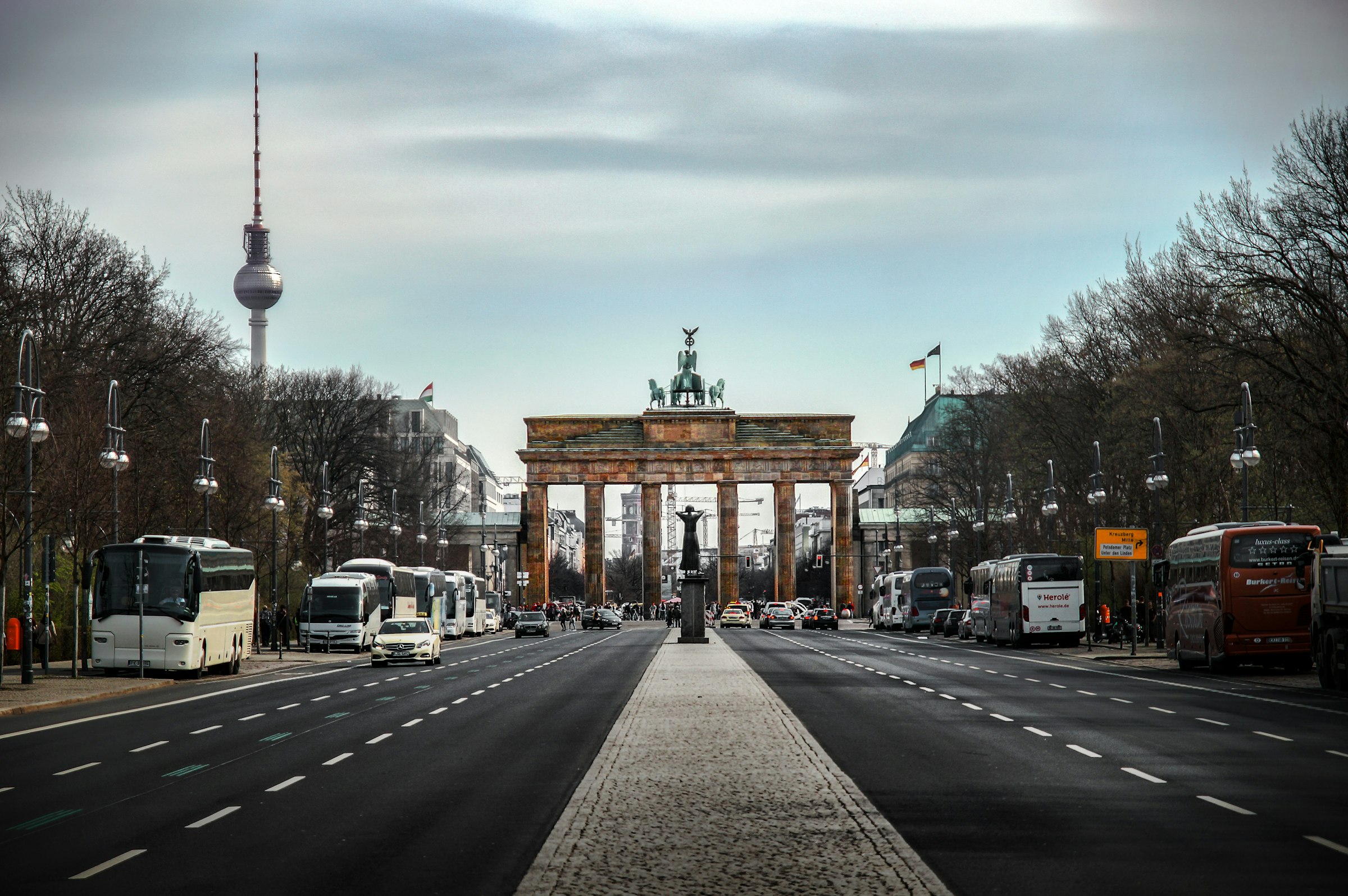
A spring half from the Tiergarten out to Charlottenburg Palace, back down the Ku'damm and through the centre to a turn on Karl-Marx-Allee. Straße des 17. Juni → Unter den Linden, through the Brandenburg Gate, Berlin, Germany.
Elevation · the organiser's 2026 Google My Map · Sonny 1" .hgt tiles — CC BY 4.0 · smoothed 100 m 33–37 m
—
0.04.28.412.716.921.1
kmmi — elev — grade — hover or drag the profile
There's almost nothing to read. The lowest point, 33 m, is on Otto-Suhr-Allee near Charlottenburg Palace at about 4.0 km, and the highest, 37 m, is by Alexanderplatz at about 16.3 km. No kilometre climbs more than 3 m, and the finish is 1 m higher than the start. Add up the energy cost of every gradient and the course comes out about level with a flat 21.1 km.
Take it with you
Course GPX Organiser's course map
The GPX is ours: our resampled line, a point every 25 m, carrying Sonny 1" .hgt tiles — CC BY 4.0 elevation rather than the GPS noise a watch file usually holds.
Sonny 1" .hgt tiles — CC BY 4.0, the organiser's 2026 Google My Map, smoothed 100 m · marathoncourse.com/half-marathons/berlin/ · checked 2026-11-21
1990200020102020
Pace is derived from the certified distance. Terrain-adjusted figures come from the same model that ranks every course on this site.
Men’s course record
58:42
Eric Kiptanui · 2018
Women’s course record
1:03:35
Fotyen Tesfay · 2025
The morning, hour by hour
Cut-offs
The organiser's 2027 race-day page. The time limit is 3 hours 15 minutes on your own clock. The organiser's page gives 2:15pm at km 18 as the cut-off, and its 2026 map 2:25pm.
Race-day mean temperature, 1995-2025. Lime marks the hottest edition; the coldest and wettest carry a label only, so the colour still means one thing.
Sunday 4 April 2027, the Sunday after Easter. Runners start from 10:05am, in waves.
Organiser, 2027.
Much of it. It starts beside the marathon's start, runs the marathon's streets from the Ku'damm to Leipziger Straße and along Karl-Marx-Allee, and finishes on the marathon's own last stretch through the Gate. The loop out to Charlottenburg Palace is its own.
Organiser My Map; course lines.
As flat as a road race gets. The whole course sits within 4 m of height, and no kilometre climbs more than 3 m.
Sonny 1" terrain model, sampled every 25 m, smoothed over 100 m.
By ballot, which for 2027 ran from April to May 2026 and has been drawn. Charity and tour-operator places are what's left.
Organiser registration, 2027.
Changeable. Over race morning at the turn of March and April the median is 12 °C, but one year in ten is below 5 °C, and 2013's was barely above freezing.
ERA5 via Open-Meteo, 1995 to 2025, without 2020.
3 hours 15 minutes on your own clock, with a cut-off at km 18.
Organiser race-day page, 2027.
34,742 finished in 2025, a record, up from 30,905 in 2024 and 26,104 in 2023. In 2026, 42,563 entered; the organiser hasn't published that year's finishers.
Organiser figures for the 2025 edition.
About 12.2 °C during a typical race: that's the median across 30 years, which have run from 1.1 °C to 19.4 °C. 1 of the 30 were wet.
ERA5 reanalysis for the race date, 1995-2025.
It comes from Sonny 1" .hgt tiles — CC BY 4.0, sampled every 25 m along the course line and smoothed over 100 m. The raw-to-smoothed ratio here is 1.76. Around 1.3 means the model is reading the ground, not rooftops; above about 2.0 the total climb carries real noise, and the net change is the sturdier number.
0 missing samples · 3 bridge spans corrected.
| Fact | Source | Verified |
|---|---|---|
| Course line | The organiser's 2026 Google My Map, the line "Strecke_V7.2", which measures 21.09 km, 0.04 % short | 2026-11-21 |
| Elevation | Sonny 1" .hgt tiles (CC BY 4.0), the model the marathon is measured on; three Spree bridges interpolated between their banks | 2026-11-21 |
| Race-day weather | ERA5 via Open-Meteo archive, 10:00 to 13:00 on the Sunday nearest 1 April, 1995 to 2025, without 2020; the date moves, so this is the weather for the turn of March and April | 2026-11-21 |
| Course records | Organiser media guide, 2026; the organiser's history page still gives the women's record before 2025 | 2026-11-21 |
| Field size | Organiser media guide, finishers 2023 to 2025; entries in 2026 from the organiser's race report | 2026-11-21 |
| Entry | Organiser registration pages, 2027 | 2026-11-21 |
| Race day | Organiser course and race-day pages, 2027 | 2026-11-21 |
| History | Organiser history page and media guide | 2026-11-21 |
| Photography | Unsplash: Lāsma Artmane (Charlottenburg Palace), João Hilton Ferreira (the Memorial Church); the Brandenburg Gate as on the marathon page | 2026-11-21 |
Until the Berlin Half Marathon · 4 Apr 2027
— days
— hrs— min— sec
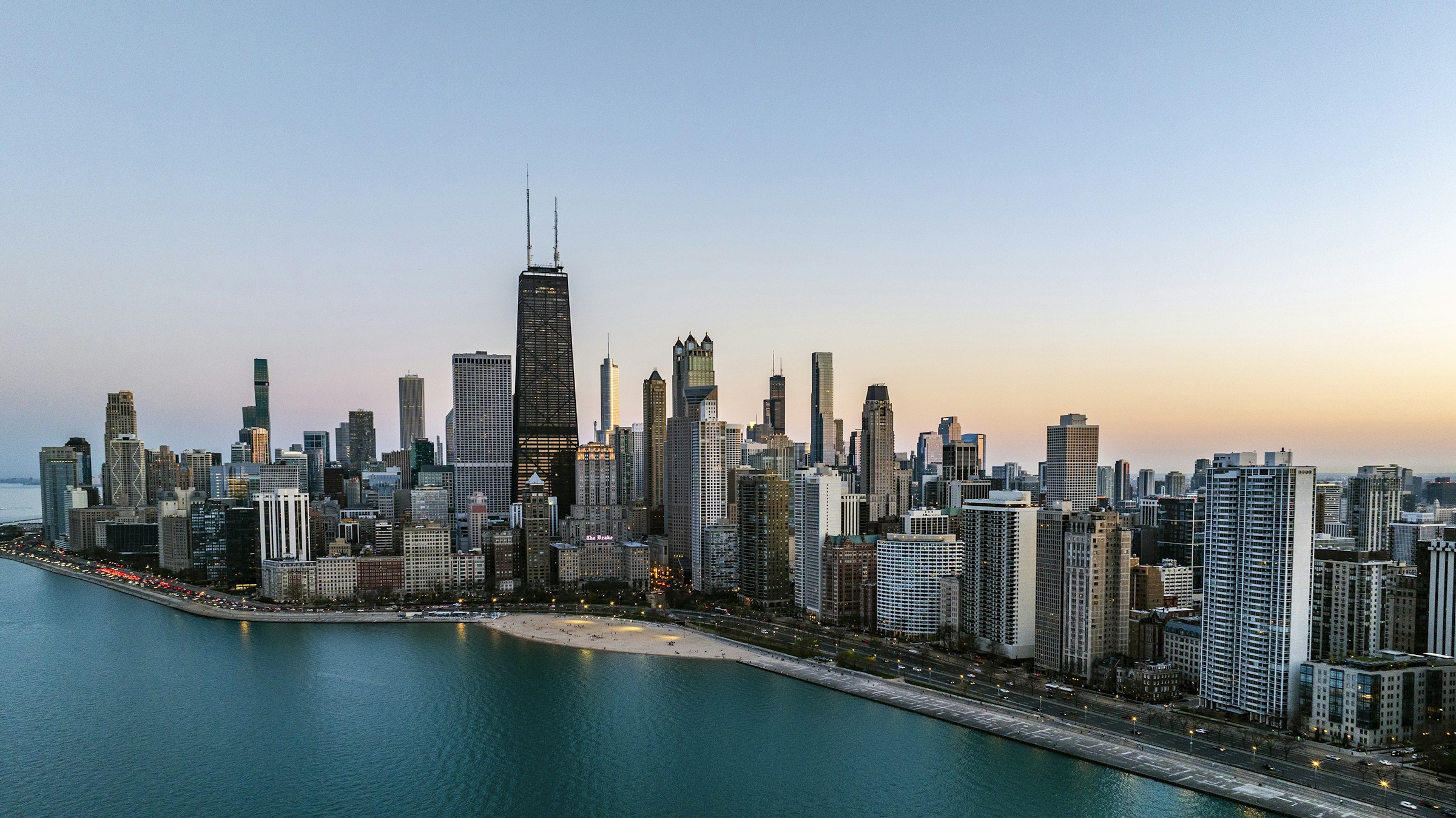
Chicago, USA · 10 Oct 2027
Seven world records on a loop through twenty-nine neighbourhoods.
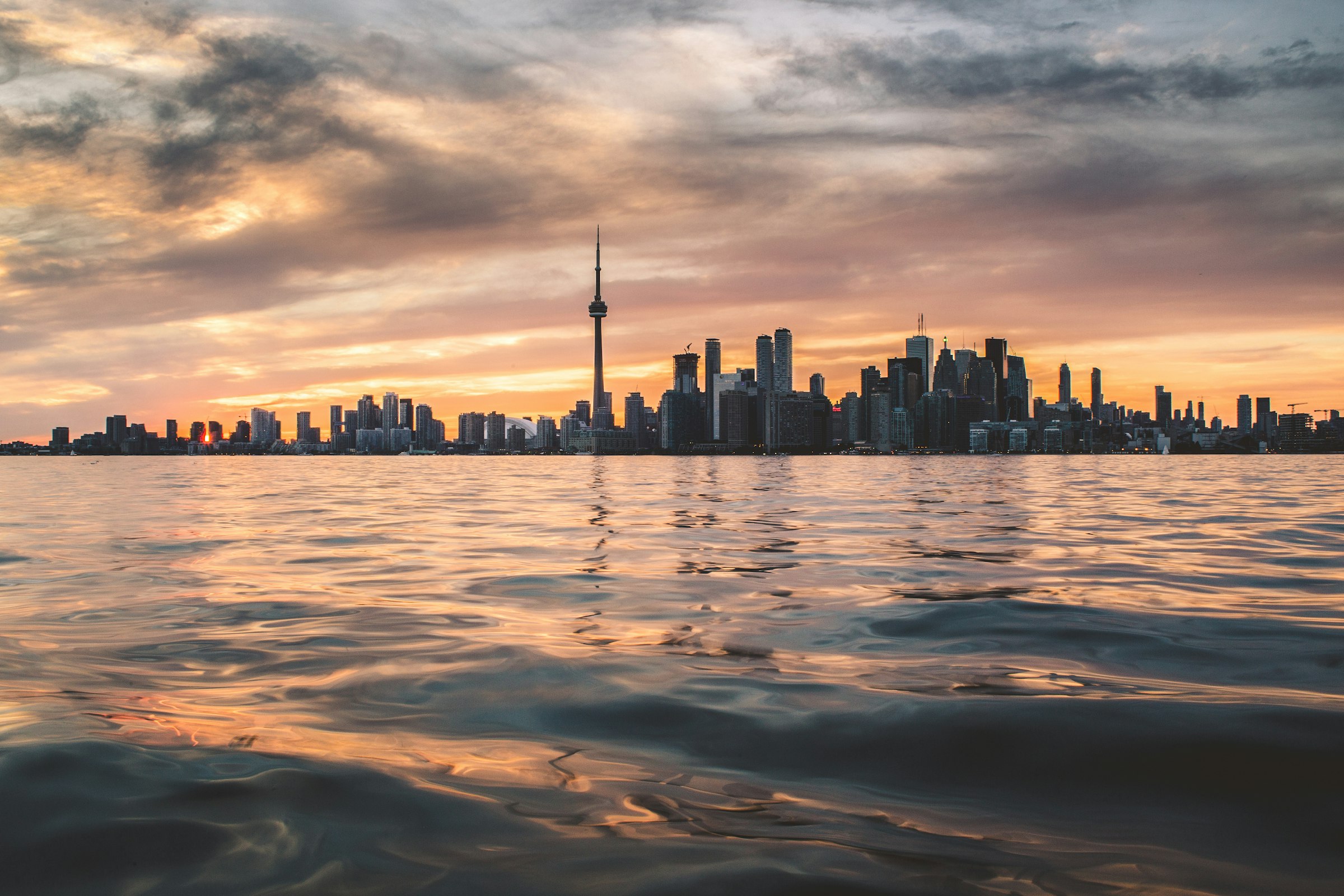
Toronto, Canada · 17 Oct 2027
Canada's biggest marathon spends most of the morning on the shore of Lake Ontario.
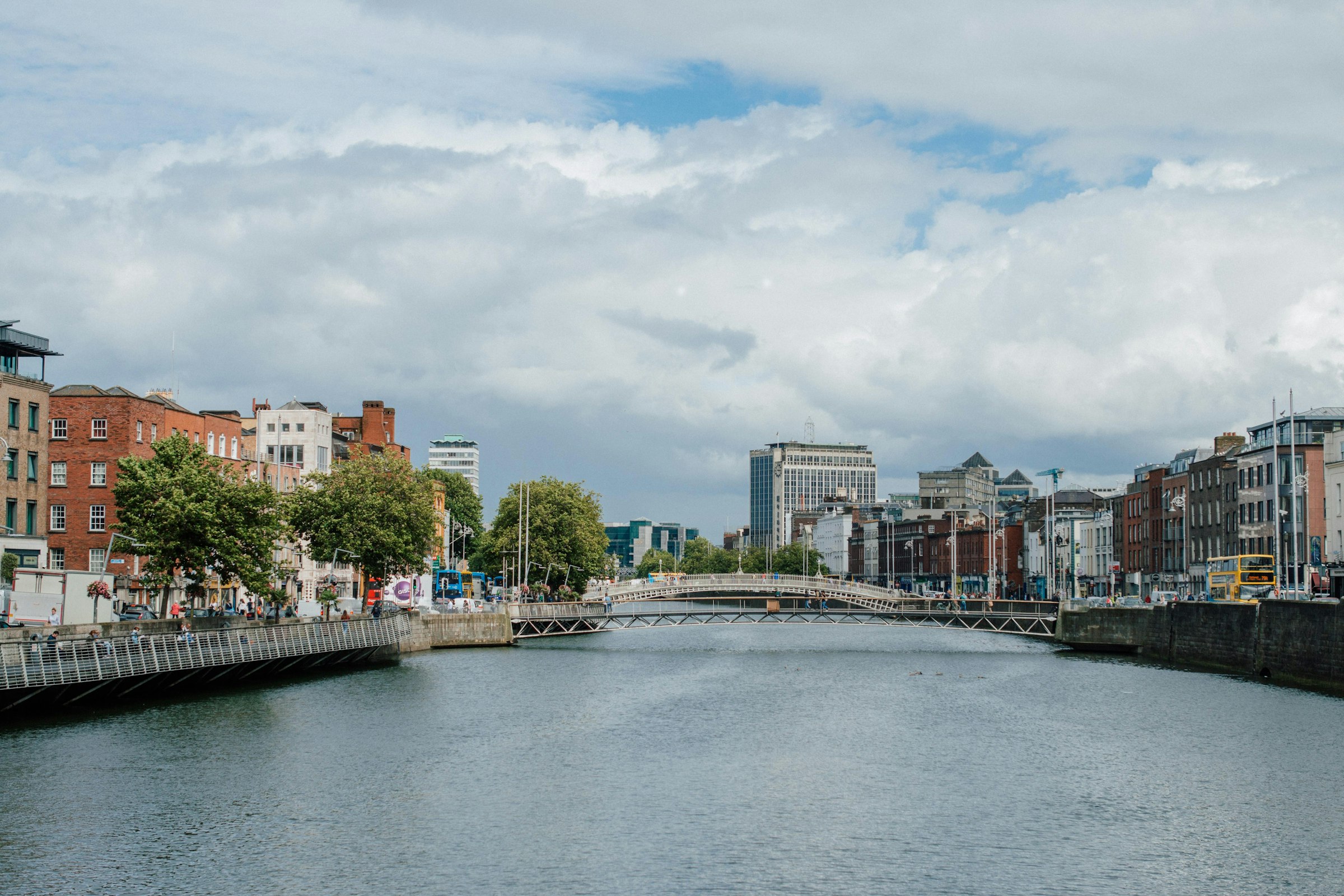
Dublin, Ireland · 24 Oct 2027
The bank-holiday marathon: out through Phoenix Park, round the southern suburbs, and home past the Georgian squares.