Men’s course record
2:01:52
John Korir · 2026
- Average pace
- 2:53 / km
- Terrain-adjusted
- −1.11 %
Europe15
Americas6
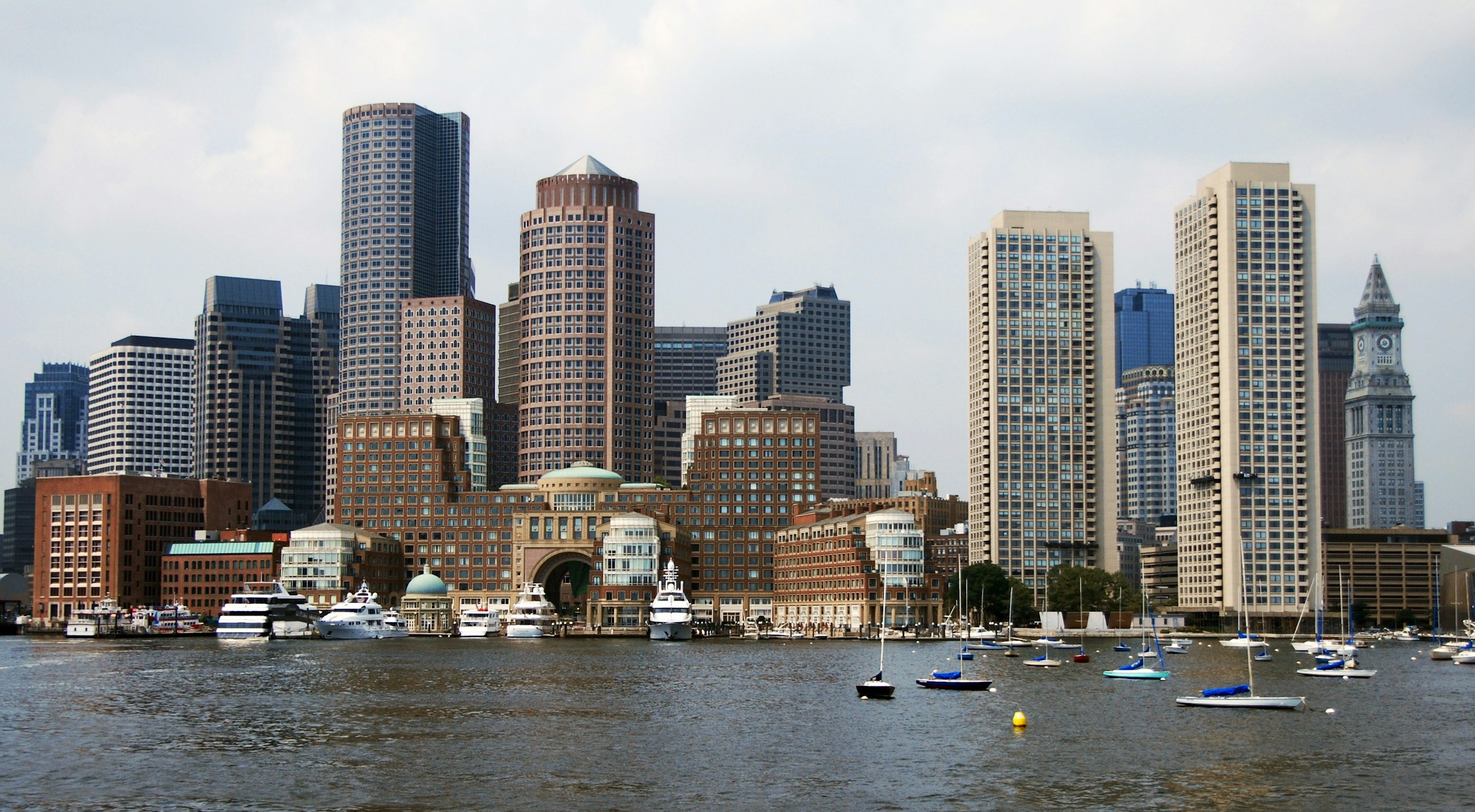
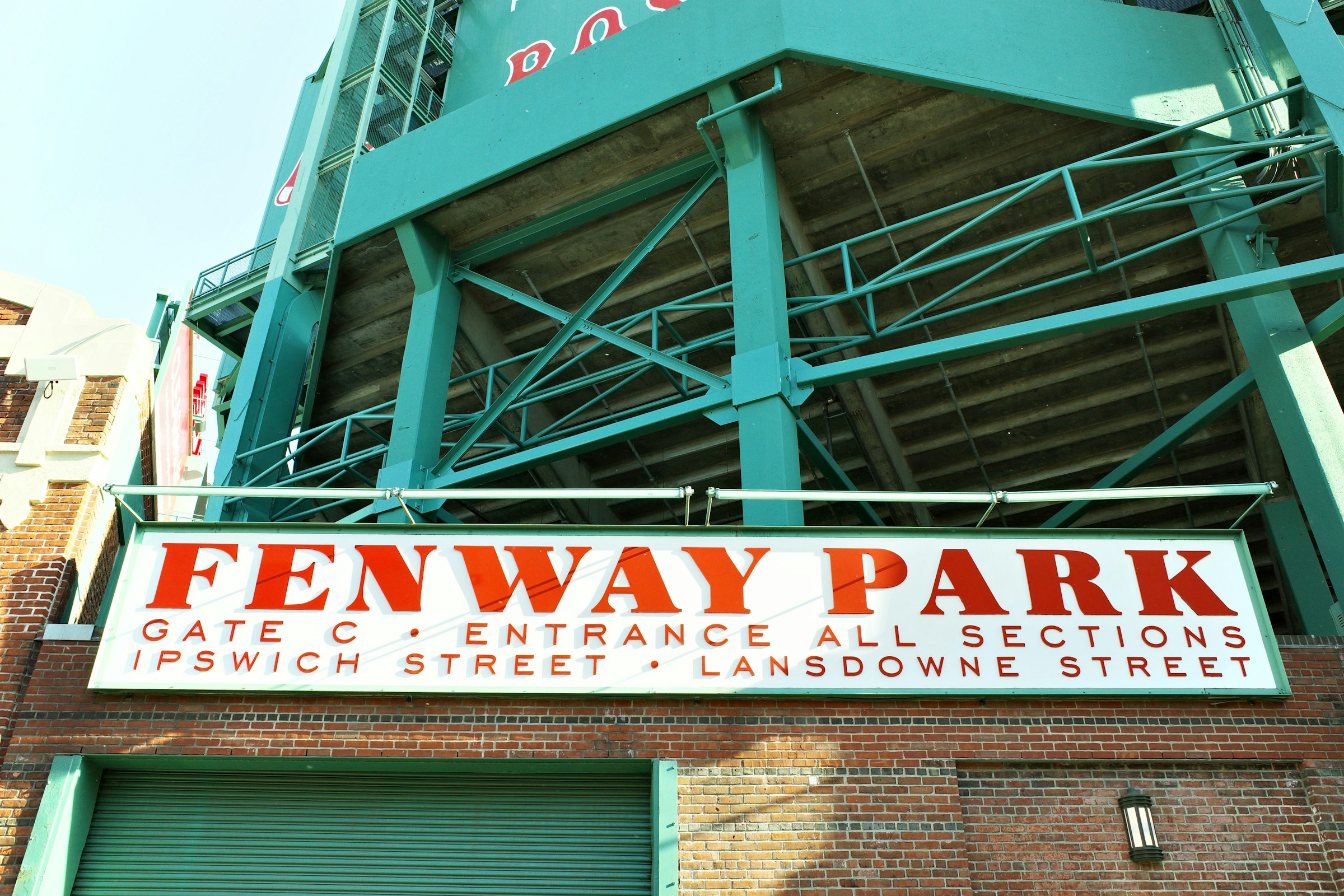
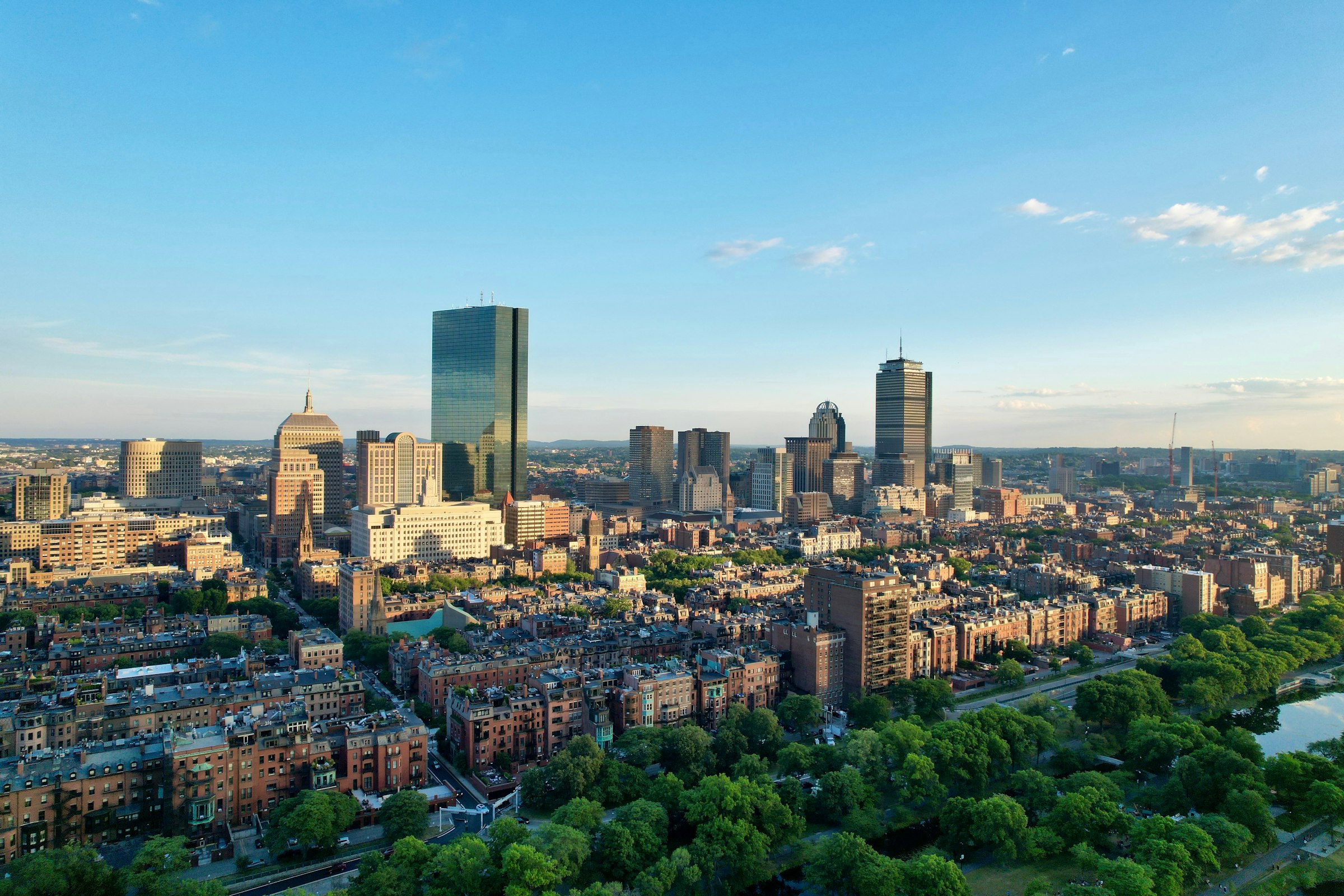
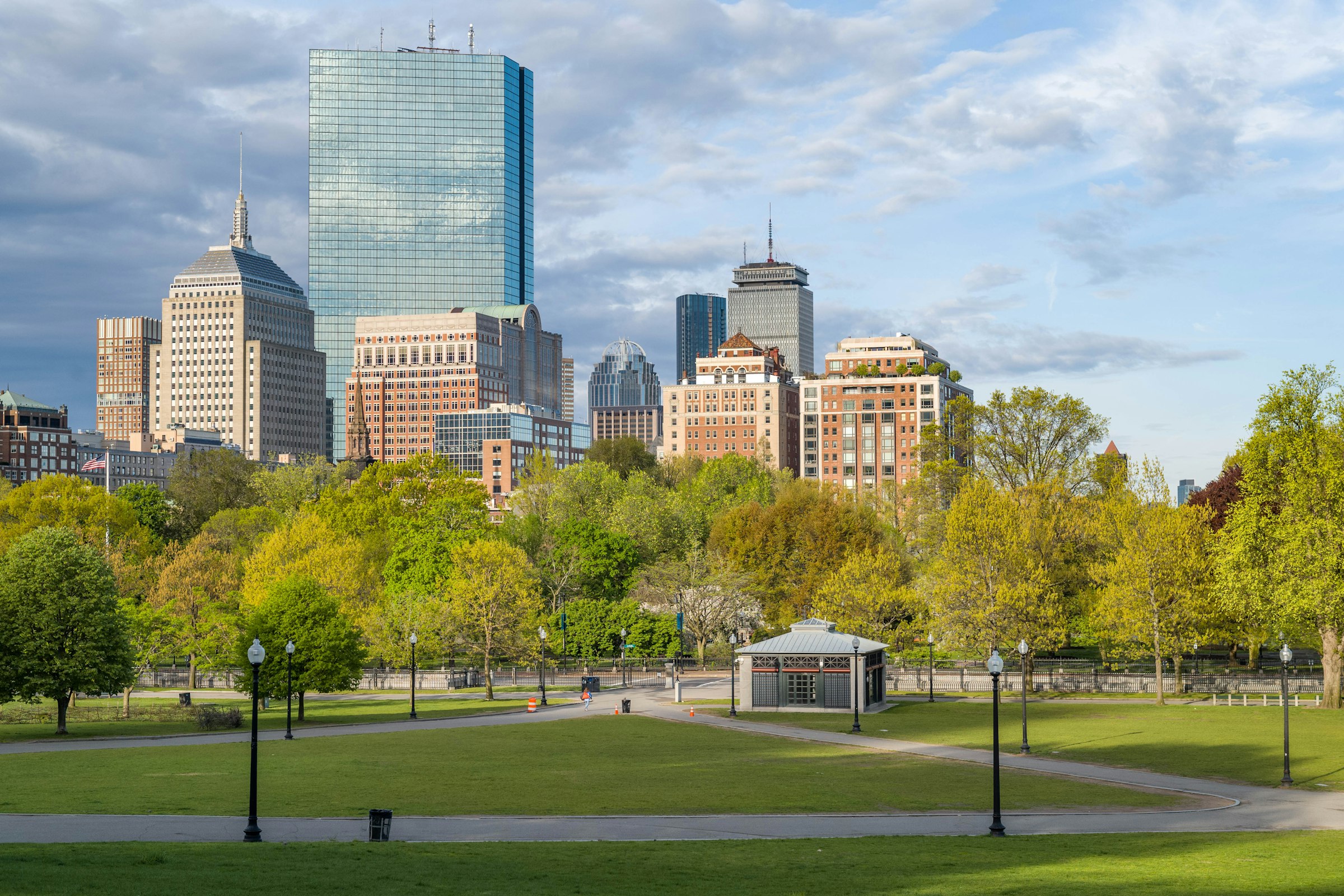
Boston, USA The third Monday in April, Patriots' Day Founded 1897
Qualified for by nearly everyone on its Hopkinton start line.
Marathon Course · every marathon course, measured the same way
Boston Marathon
Qualified for by nearly everyone on its Hopkinton start line. Hopkinton → Copley Square, Massachusetts, USA.
Elevation · a third-party GPX of the 2026 race, checked against the certified distance · USGS NED 10 m · smoothed 100 m 2–140 m
—
0.08.517.025.433.942.4
kmmi — elev — grade — hover or drag the profile
The highest point on the course is the start line, 140 m in Hopkinton, and nothing comes near it again. The first 5.0 km fall 72 m. It's the steepest stretch on the course, and it ruins people who go with it.
The long middle is close to flat: no 5 km split between 10.0 km and 30.0 km changes by more than 7 m. That's why the hills that follow feel worse than their size. From about 30.0 km the Newton hills climb in steps to Heartbreak, the steepest climbing kilometre of the race at 29 m, topping out near 33.5 km.
Then it falls away, 39 m down between 35.0 km and 40.0 km, through Brookline and Kenmore to the lowest ground on the course at 39.9 km. After that comes the short rise onto Boylston Street and the finish. Add up the energy cost of every gradient and, for a three-hour runner, the course comes out about 2 min quicker than a flat 42.195 km (1.11 %).
Take it with you
Course GPX Organiser's course map
The GPX is ours: our resampled line, a point every 25 m, carrying USGS NED 10 m elevation rather than the GPS noise a watch file usually holds.
USGS NED 10 m, a third-party GPX of the 2026 race, checked against the certified distance, smoothed 100 m · marathoncourse.com/marathons/boston/ · checked 2026-09-23

1900192019401960198020002020
Pace is derived from the certified distance. Terrain-adjusted figures come from the same model that ranks every course on this site.
Men’s course record
2:01:52
John Korir · 2026
Women’s course record
2:17:22
Sharon Lokedi · 2025

The morning, hour by hour
The 2026 schedule. The B.A.A. hasn't published 2027 wave times.
Race-day mean temperature, 1995-2025. Lime marks the hottest edition; the coldest and wettest carry a label only, so the colour still means one thing.
On balance, yes. It descends 413 m and climbs 276 m, finishing 137 m below the start. Almost all of the loss is early, 72 m of it in the first 5.0 km alone. That's what makes the Newton hills at 30.0 km so expensive: they land on legs that have already absorbed a long descent.
USGS NED 10 m lidar, sampled every 25 m, smoothed over 100 m. Raw-to-smoothed ratio 1.27.
It fails both tests, and either would be enough on its own. A record course can lose at most a metre per kilometre; Boston loses 137 m over 42.2 km, which is 3.2 m per kilometre. A record course's start and finish must also be within 21.1 km of each other, and Hopkinton and Copley Square are 38.6 km apart. That's why Geoffrey Mutai's 2:03:02 in 2011 was the fastest marathon ever run at the time and still not a world record.
Hopkinton-to-Copley drop and separation from this site's line, against World Athletics Competition Rules Part III.
Smaller than its reputation and worse than its size. It's the steepest climbing kilometre on the course, 29 m from about 32.4 km, roughly a 2.9 % average, which on its own is unremarkable. What makes it count is where it sits: it's the last of four climbs in the Newton hills, and it tops out at 33.5 km, right where a marathon usually decides itself.
Derived from this site's elevation profile: steepest continuous climbing kilometre, measured every 25 m. The steepest kilometre in either direction is the descent out of Hopkinton, at 41 m.
Yes, at face value. The course is USATF-certified, and although it's net downhill, its 137 m of loss is less than a third of the 1,500 ft at which the B.A.A. started adding five minutes in 2027. Boston's own downhill rule doesn't catch Boston.
B.A.A. 2027 net-elevation time index, applied to this site's measured net drop.
Faster than the standard, and nobody knows how much faster until registration closes. For 2026, 33,249 people applied and 24,362 were accepted, so the cut-off landed at 4:34 under the standard. The 2027 week drew 33,656 applications. New for 2027, about 1,000 places go to a drawing among qualifiers who missed the cut-off.
B.A.A. registration announcements, September 2026.
More than 30,000 took a marathon place in 2026.
Organiser figures for the 2026 edition.
About 13.2 °C during a typical race: that's the median across 29 years, which have run from 6.5 °C to 26.8 °C. 5 of the 29 were wet.
ERA5 reanalysis for the race date, 1995-2025.
Boston's own downhill rule doesn't catch Boston. The course drops 137 m from Hopkinton to Boylston Street, and the B.A.A. only starts adding time at 1,500 ft of net loss, more than three times that. A time run here counts at face value. The course is USATF-certified, so it qualifies. What it can't do is hold a record.
Net drop −137 m from this site's course line; 2027 adjustment None. Certification certified: USATF-certified and World Athletics Platinum Label; certified for qualifying, but not eligible for records.
It comes from USGS NED 10 m, sampled every 25 m along the course line and smoothed over 100 m. The raw-to-smoothed ratio here is 1.27. Around 1.3 means the model is reading the ground, not rooftops; above about 2.0 the total climb carries real noise, and the net change is the sturdier number.
0 missing samples · 1 bridge spans corrected.
| Fact | Source | Verified |
|---|---|---|
| Course line | Third-party GPX published for the 2026 edition, validated against the certified 42.195 km (measured 42.428 km, 0.55% long). Archived with its hash in data/raw/sources. | 2026-09-20 |
| Elevation | USGS NED 10 m lidar via OpenTopoData, sampled every 25 m, smoothed over 100 m. Raw-to-smoothed gain ratio 1.27, which is clean. One bridge span at 23.9 km is interpolated. | 2026-09-20 |
| Race-day weather | ERA5 reanalysis via the Open-Meteo archive, Patriots' Day 1995–2025 at the Hopkinton start, 09:00–17:00 local — the hours the course is actually open. 2020 (cancelled) and 2021 (run in October) are excluded, so 29 editions. | 2026-09-18 |
| Course records | 2026 and 2025 results. Korir 2:01:52 (2026); Lokedi 2:17:22 (2025). | 2026-09-23 |
| Qualifying standards and the downhill adjustment | B.A.A. published standards for 2027, and the net-elevation time index introduced at the September 2026 registration: +5:00 at 1,500–2,999 ft, +10:00 at 3,000–5,999 ft, ineligible at 6,000 ft+. | 2026-09-23 |
| Registration numbers | B.A.A.: 33,249 applications and 24,362 accepted for 2026 at a 4:34 cut-off (the 130th-qualifiers release; a later release restates the 2026 total as 33,267). 33,656 applications for 2027. | 2026-09-23 |
| Race-day times and transport | B.A.A. athlete information for the 2026 race: wave starts 9:06am–11:21am, last bus 9:30am, finish line closes 5:30pm. The 2027 schedule is not published yet. | 2026-09-23 |
| Entry fee | US$270 for accepted qualifiers, 2027, charged only on acceptance. A single flat fee, with no US/international split. | 2026-09-23 |
| Record eligibility | World Athletics Competition Rules, Book C, Part III — Competition Rule 31.21: a record course may lose no more than 1 m per kilometre, and its start and finish may be no more than 21.098 km apart. Boston loses 136.8 m — 3.24 m/km — and separates by 38.55 km. It fails both, which is why the fastest times run here are not records. | 2026-09-18 |
| Field size, charity places and history | Field of 30,000 official entrants. A record 215 official charities for 2027, sharing almost 10 % of the field, with minimums set by each charity rather than the B.A.A. Founding in 1897, the eight cities and towns, and the timeline entries. | 2026-09-23 |
Until the Boston Marathon · 19 Apr 2027
— days
— hrs— min— sec
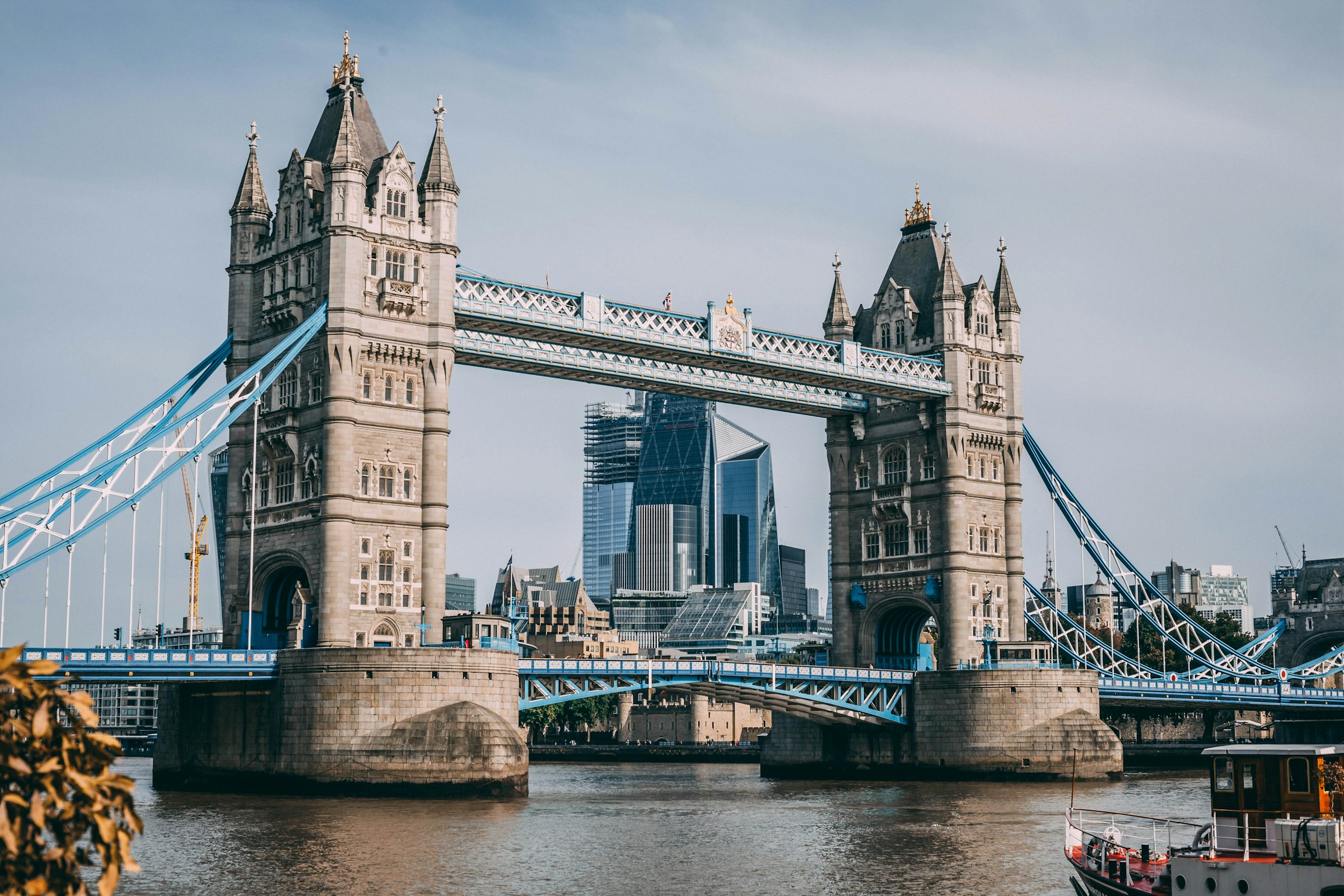
London, United Kingdom · 24 Apr 2027
The fastest marathon ever run, on a course over Tower Bridge just before halfway.
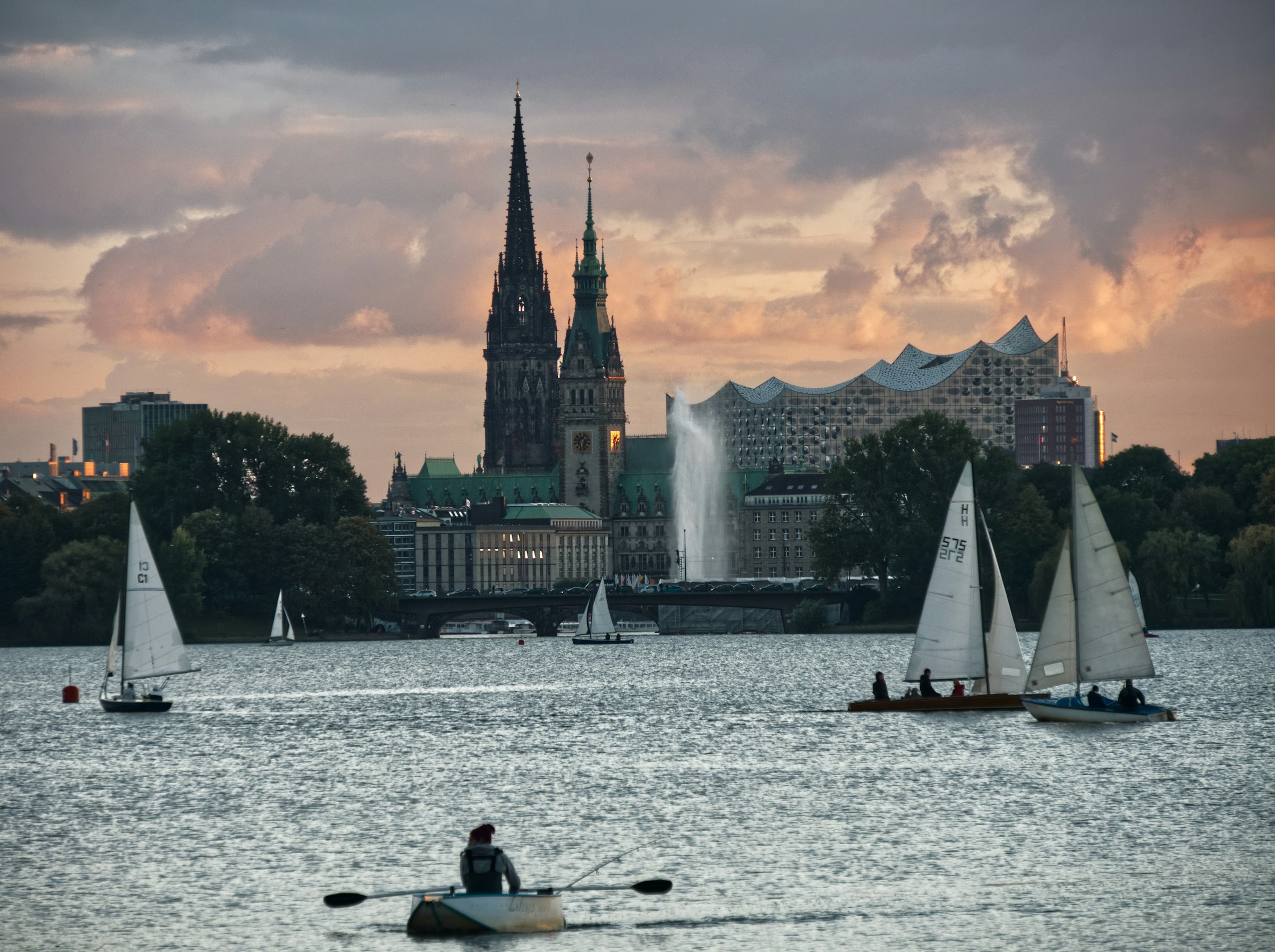
Hamburg, Germany · 25 Apr 2027
Down the Reeperbahn to the harbour, then round the Alster and north to Ohlsdorf before the long run home to the Messe.
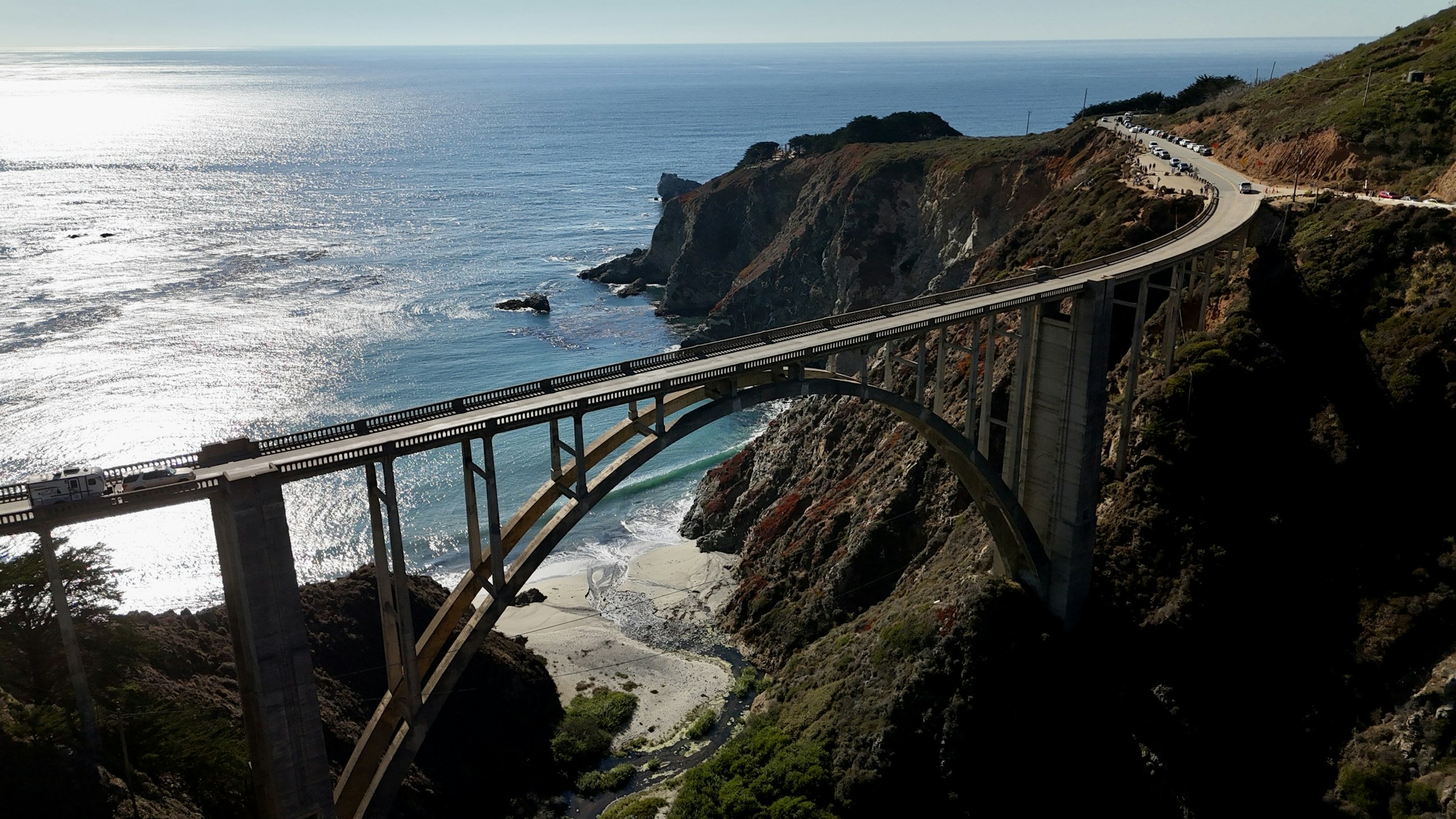
Big Sur, USA · 25 Apr 2027
Twenty-six miles of Highway 1 with the Pacific on one side and no way out on the other.