Men’s course record
2:03:36
Bashir Abdi · 2021
- Average pace
- 2:56 / km
- Terrain-adjusted
- −0.03 %
Europe15
Americas6
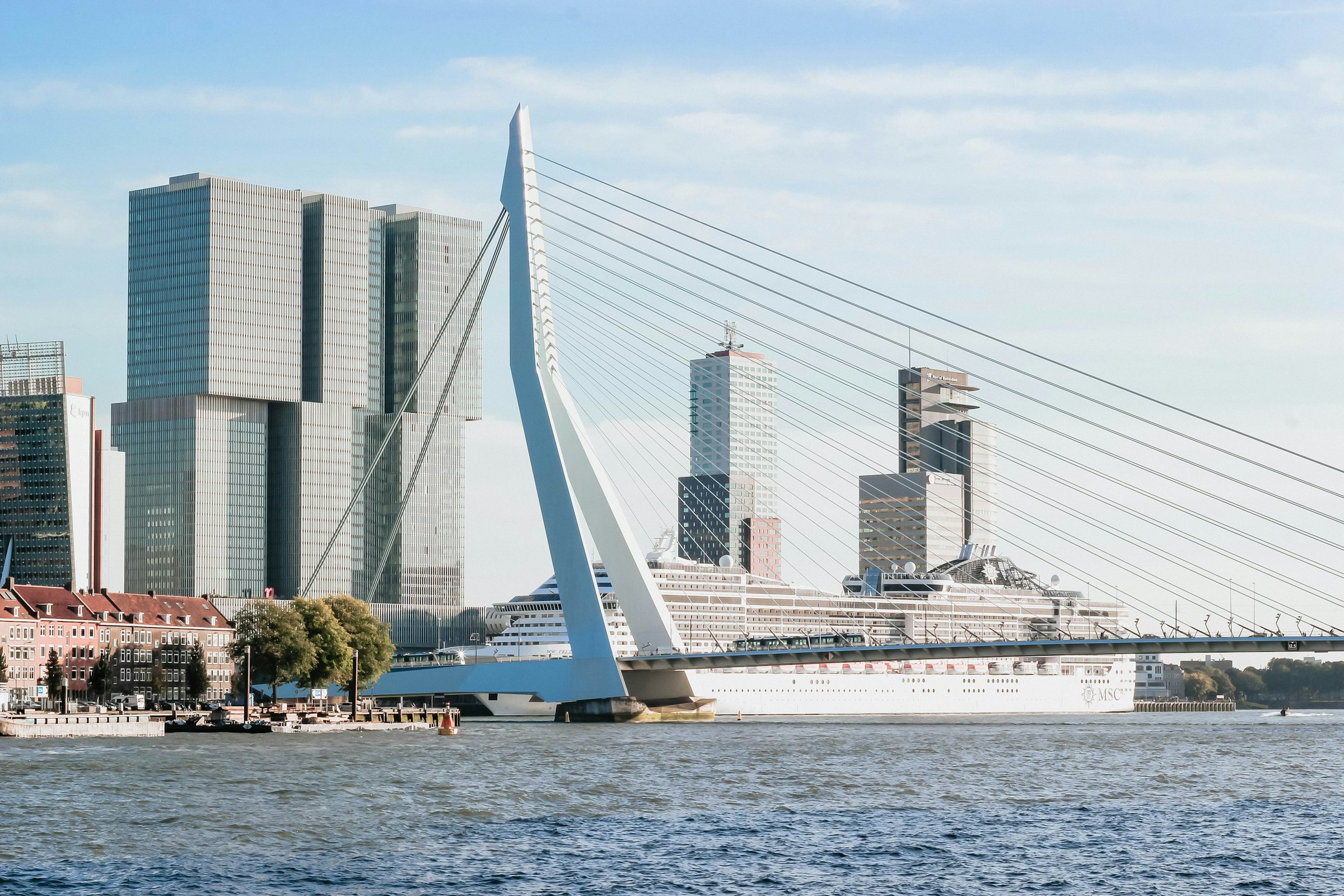
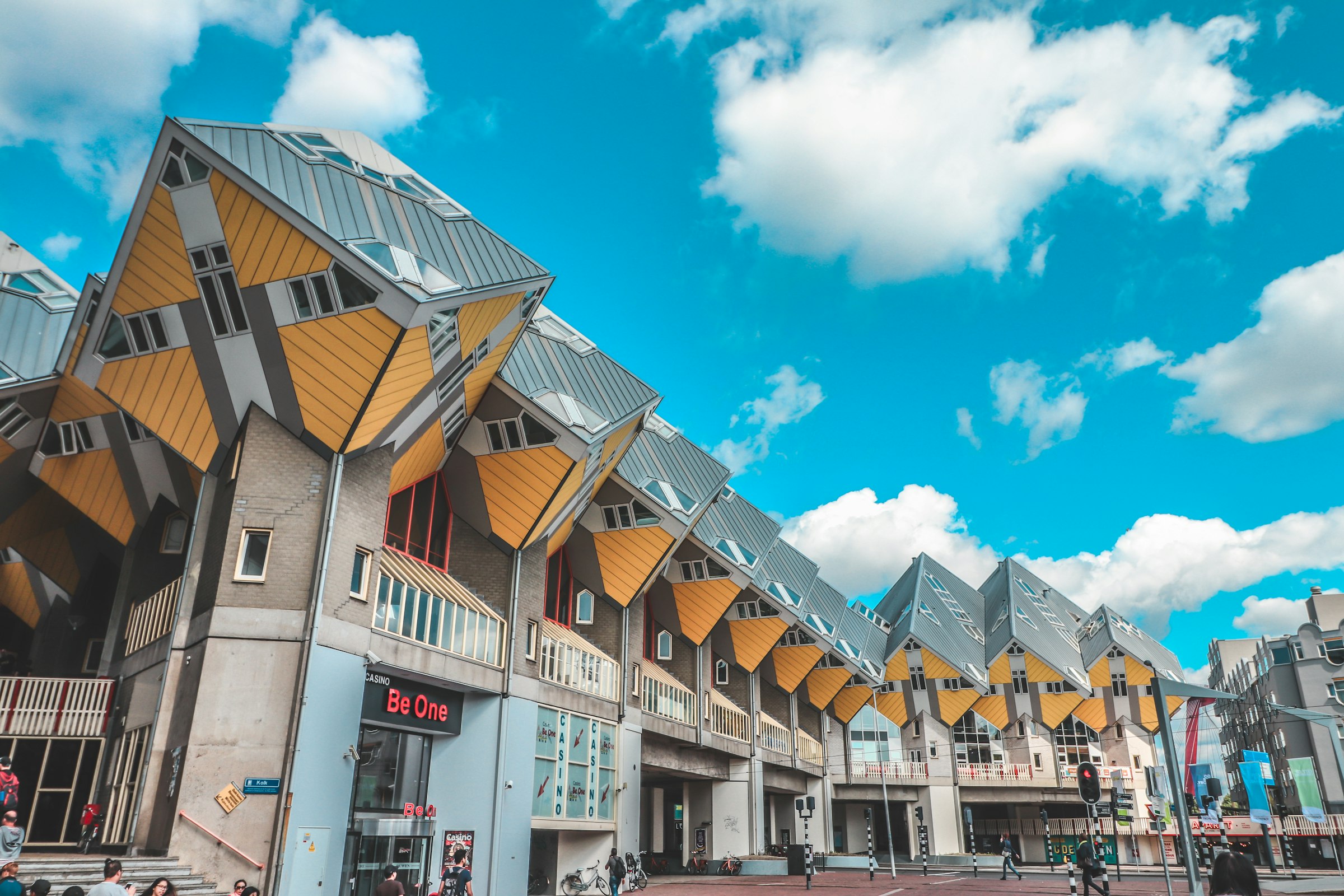
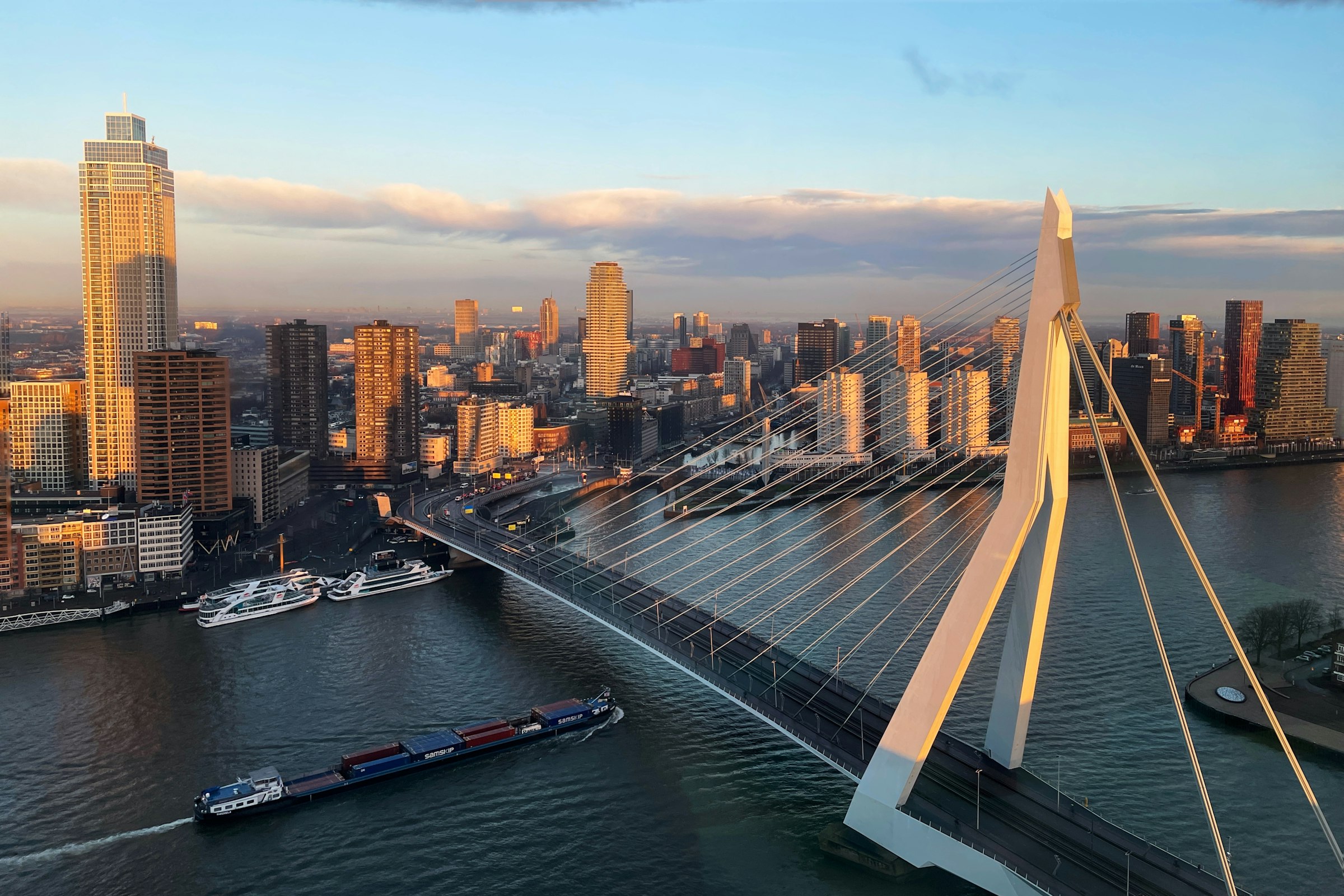
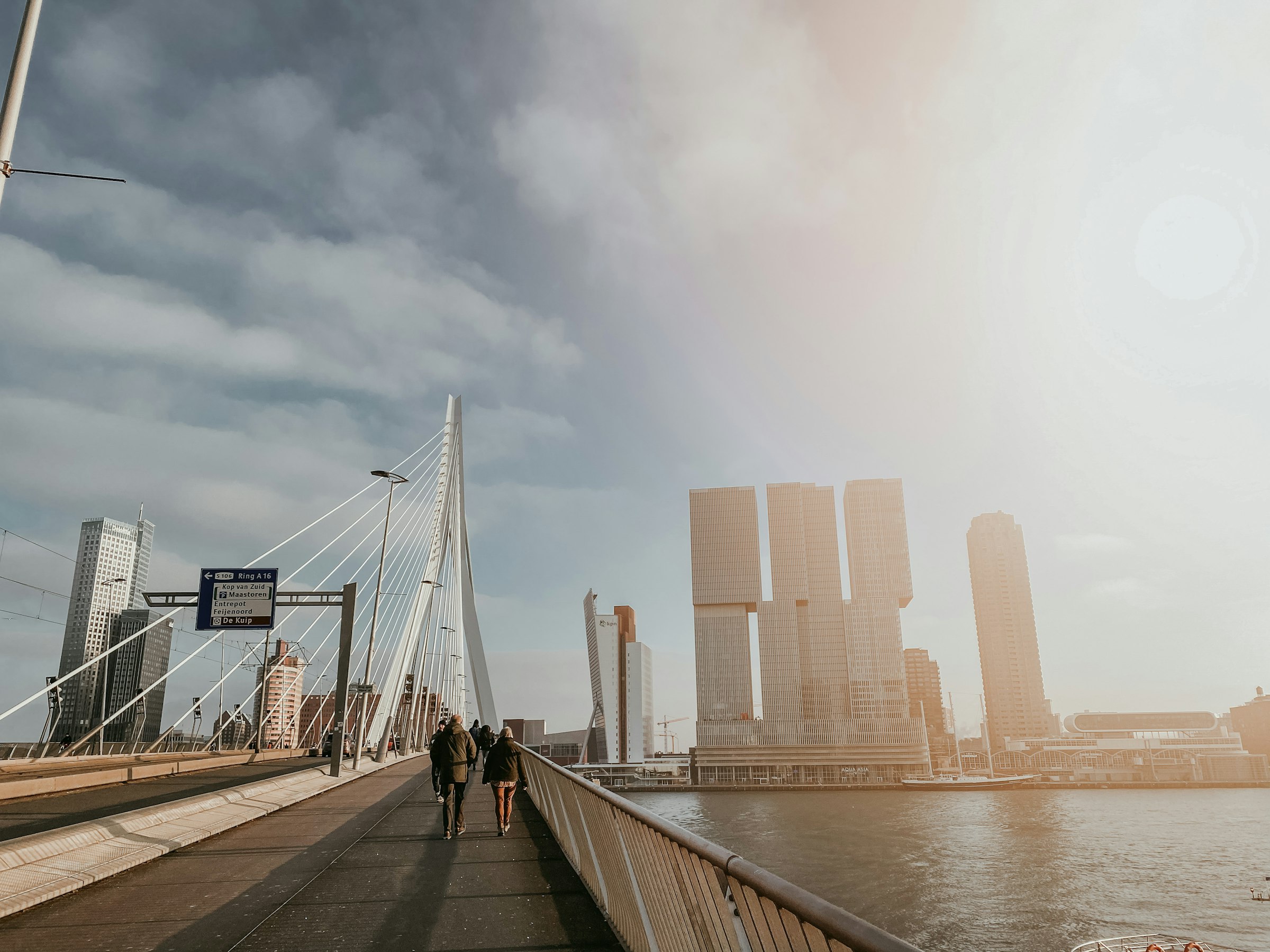
Rotterdam, Netherlands The second Sunday in April Founded 1981
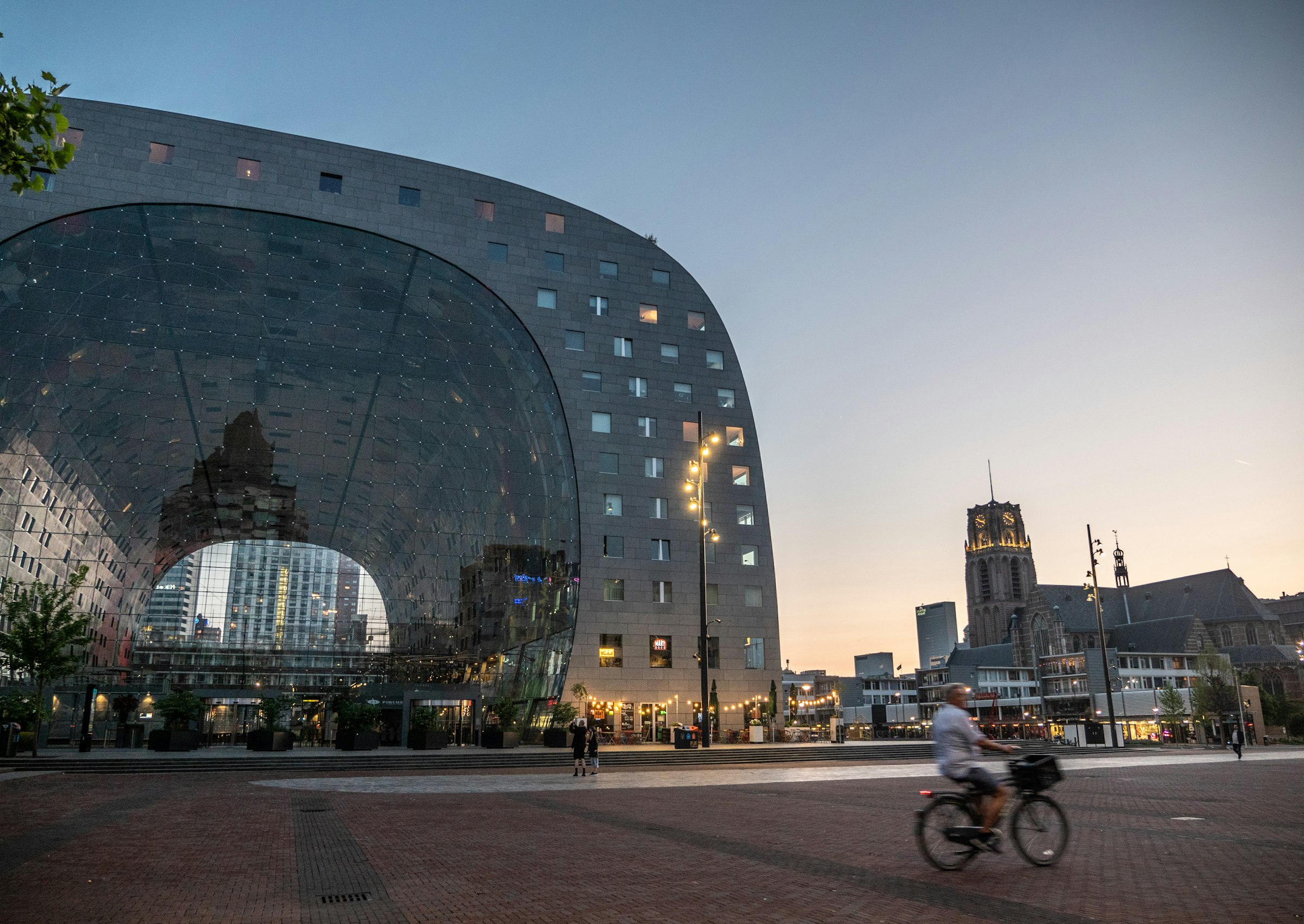
Over the Erasmus Bridge to the south bank and back, out round the Kralingse Plas, and home up the Coolsingel.
Marathon Course · every marathon course, measured the same way
Rotterdam Marathon
Over the Erasmus Bridge to the south bank and back, out round the Kralingse Plas, and home up the Coolsingel. Erasmus Bridge → Coolsingel, Rotterdam, Netherlands.
Elevation · measured on the organiser's course line for the 2026 edition; the finish may move again once the Hofplein works are done · AHN dtm_05m — 0.5 m bare-earth lidar (PDOK, CC BY 4.0) · smoothed 100 m -6–7 m
—
0.08.416.825.233.642.0
kmmi — elev — grade — hover or drag the profile
The start, at the foot of the Erasmus Bridge, is 6 m above sea level, and the finish on the Coolsingel is 6 m lower. Over the bridge and along the Kop van Zuid, the first 5.0 km stay between 3 m and 7 m. Then the course drops into the polders of the south. From 5.5 km to 22.0 km it's never more than 1 m above sea level. At 10.0 km it dips under the railway on Spinozaweg, 5 m below it.
The steepest climbing kilometre, 6 m from 21.3 km, takes the course back up to Brielselaan. At 26.8 km it crosses the Erasmus Bridge again, and the run off it into the centre is the steepest kilometre of the race: 8 m lost from 27.4 km. The lowest ground is in the last third, in the woods by the Kralingse Plas, 6 m below sea level at 33.3 km. No other course measured here goes lower.
The chart draws both crossings of the Erasmus Bridge as straight lines between its ends, because the lidar has no ground to read over the water. The deck rises higher than that line, so the real climb is a little more than 66 m. Add up the energy cost of every gradient and the course comes out about level with a flat 42.195 km.
Take it with you
Course GPX Organiser's course map
The GPX is ours: our resampled line, a point every 25 m, carrying AHN dtm_05m — 0.5 m bare-earth lidar (PDOK, CC BY 4.0) elevation rather than the GPS noise a watch file usually holds.
AHN dtm_05m — 0.5 m bare-earth lidar (PDOK, CC BY 4.0), measured on the organiser's course line for the 2026 edition; the finish may move again once the Hofplein works are done, smoothed 100 m · marathoncourse.com/marathons/rotterdam/ · checked 2026-09-24
1990200020102020
Pace is derived from the certified distance. Terrain-adjusted figures come from the same model that ranks every course on this site.
Men’s course record
2:03:36
Bashir Abdi · 2021
Women’s course record
2:18:56
Mekides Shimeles · 2026
The morning, hour by hour
Cut-offs
The organiser's 2026 event information. The 2027 times aren't published yet. The organiser gives the halfway and 28 km limits as elapsed times and the bridge as a clock time. Elapsed times run from the last runner's start, not your own.
Race-day mean temperature, 2003-2025. Lime marks the hottest edition; the coldest and wettest carry a label only, so the colour still means one thing.
Yes. It climbs 66 m in all, and more than half of it is below sea level, down to 6 m below in the woods by the Kralingse Plas. The Erasmus Bridge, crossed twice, rises higher than the line on the chart, so the real climb is a little more.
AHN 0.5 m lidar, sampled every 25 m, smoothed over 100 m. Raw-to-smoothed ratio 1.40; 6.0 % of samples interpolated over water.
Through the draw. For 2026, pre-registration ran from 9 to 22 September 2025. The places were drawn the next day. The 2027 dates aren't out yet. Charity places go through KWF, the Dutch Cancer Society, and KLABU.
The organiser's registration page.
€155 for 2026. Pre-registering cost €5, and runners who were drawn paid the other €150. The 2027 price isn't published yet.
The organiser's registration page.
Five and a half hours, and the finish closes at 4:06pm. There are three cut-offs on the way. The one to know is the Erasmus Bridge: you have to be back over it by 2:15pm.
The organiser's 2026 event information.
Yes. Bashir Abdi ran a European record here in 2021, 2:03:36, and Mekides Shimeles ran 2:18:56 in 2026. Guye Adola won the 2026 men's race in 2:03:54.
World Athletics' reports of the 2021 and 2026 races.
The start is on Schiedamsedijk at the north end of the Erasmus Bridge. Since 2026 the finish has been on the Coolsingel at Beursplein, by the World Trade Center, because of building work at Hofplein. The two are about 900 m apart. The organiser hasn't yet said where the 2027 finish will be.
The organiser's course page and 2026 course announcement.
Twice. Once straight after the start, heading south, and again at about 26.8 km, heading back into the centre. The second crossing is also a cut-off, at 2:15pm.
The organiser's 2026 event information; this site's course line.
In 2026 a place could be passed to another runner until 31 March, for €15. The new runner's name was printed on the number only if the transfer was made before 15 March.
The organiser's 2026 notice on transfers.
Yes. The course loses 0.14 m per kilometre and its start and finish are 0.9 km apart, both well inside the World Athletics limits. Abdi's 2021 European record was set here.
World Athletics Competition Rule 31.21, and this site's measurements.
The 2026 race had 18,000 marathon places, and NOS reported about 50,000 runners in the draw for them. Across the weekend's races there were 51,000 entries.
Organiser figures for the 2026 edition.
About 11.7 °C during a typical race: that's the median across 15 years, which have run from 8 °C to 18 °C. 2 of the 15 were wet.
ERA5 reanalysis for the race date, 2003-2025.
Yes. The course is certified and finishes only 6 m below where it starts, a long way short of the 1,500 ft of net loss at which the B.A.A.'s downhill adjustment begins. There's no hill to plan around, and the start is at 10:00am. The thing to watch is wind: the Erasmus Bridge is exposed, and the median race-day wind is 15 km/h.
Net drop −6 m from this site's course line; 2027 adjustment None. Certification gold label: World Athletics Gold Label in 2025 and 2026; record-eligible.
It comes from AHN dtm_05m — 0.5 m bare-earth lidar (PDOK, CC BY 4.0), sampled every 25 m along the course line and smoothed over 100 m. The raw-to-smoothed ratio here is 1.4. Around 1.3 means the model is reading the ground, not rooftops; above about 2.0 the total climb carries real noise, and the net change is the sturdier number.
102 missing samples · 0 bridge spans corrected.
| Fact | Source | Verified |
|---|---|---|
| Course line | The organiser's GPX for the 2026 edition, which moved the finish to Beursplein and added the loop past De Kuip. No 2027 course is published yet, and the finish may move again once the building work at Hofplein is done. The file measures 42.111 km from 261 points; our resampled line measures 42.020 km, so distances on this page run about 0.4 % short. Archived with its hash in data/raw/sources. | 2026-09-24 |
| Elevation | AHN, the Dutch national 0.5 m bare-earth lidar (PDOK, CC BY 4.0), sampled every 25 m, smoothed over 100 m. Raw-to-smoothed gain ratio 1.40. AHN leaves water and bridge decks blank, so 6.0 % of samples, including both crossings of the Erasmus Bridge, are interpolated between the banks; the deck is higher than that line, so the climb figure is a slight underestimate. Heights are against NAP, the Dutch sea-level datum. | 2026-09-24 |
| Race-day weather | ERA5 reanalysis via the Open-Meteo archive, 2003–2025 at the start, 10:00–16:00 local, sampled on the second Sunday in April. That rule gives the 2024, 2025, 2026 and 2027 dates. Years the race ran on another date are left out: the Easter years 2004, 2007, 2009, 2012 and 2023, and 2019–2021. That leaves 15. | 2026-09-24 |
| Course records | Bashir Abdi 2:03:36 (2021) and Mekides Shimeles 2:18:56 (2026), from World Athletics' reports of both races. The 2026 report confirms Shimeles broke Tiki Gelana's 2:18:58 from 2012. | 2026-09-24 |
| Entry and field | The organiser's registration page: 18,000 places, drawn at random from pre-registrations, €155 in all. The organiser's 2026 race report gives 18,000 marathon entries and 51,000 across the weekend, and names 11 April 2027 as the next date. The figure of about 50,000 in the draw is NOS's. | 2026-09-24 |
| Race day | The organiser's 2026 event information: five waves from 10:00 to 10:28am, a 5 h 30 min limit, cut-offs at halfway, the Erasmus Bridge and 28 km, and the finish closing at 4:06pm. The 2027 times aren't published yet. | 2026-09-24 |
| Record eligibility | World Athletics Competition Rules, Book C, Part III — Competition Rule 31.21: a record course may lose no more than 1 m per kilometre, and its start and finish may be no more than 21.098 km apart. Rotterdam loses 5.7 m overall, 0.14 m per kilometre, and its start and finish are 0.9 km apart. Inside both. | 2026-09-24 |
Until the Rotterdam Marathon · 11 Apr 2027
— days
— hrs— min— sec
Zurich, Switzerland · 11 Apr 2027
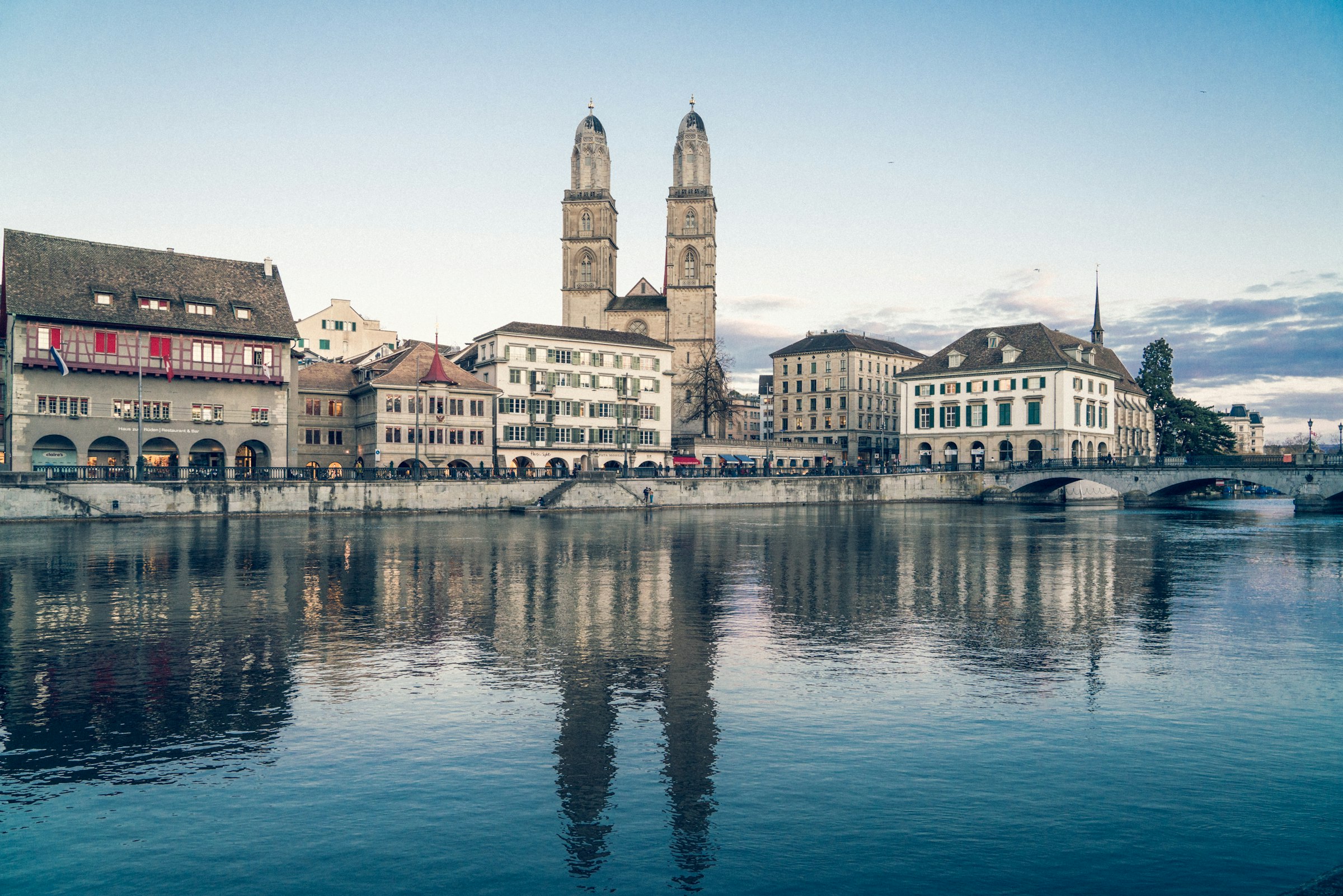
From the Quaibrücke down the lake's eastern shore to Meilen and back, with a loop through the city at each end.
Vienna, Austria · 18 Apr 2027
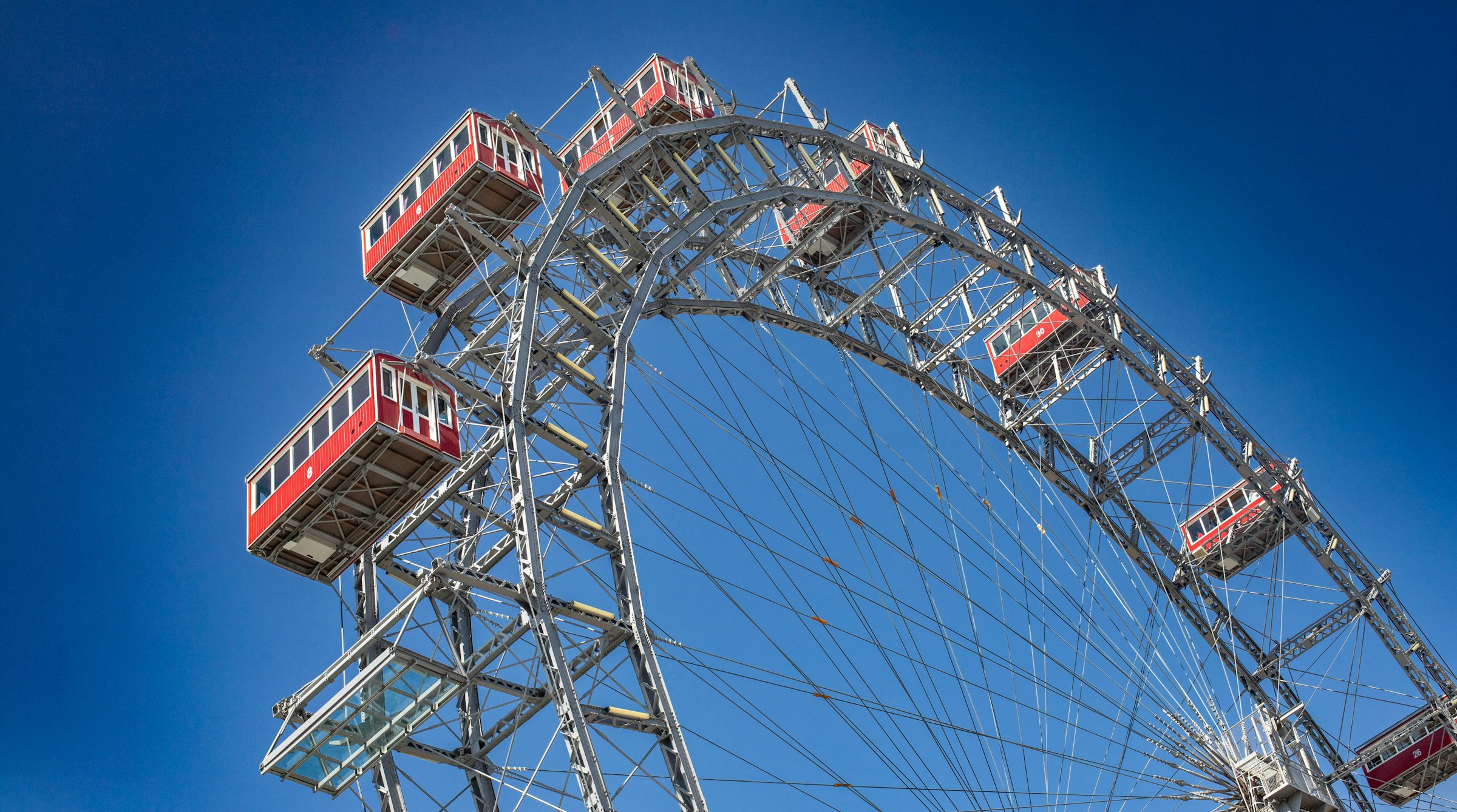
Over the Danube to the Prater, out along the Wienzeile to Schönbrunn, and home on the Ring to the Burgtheater.
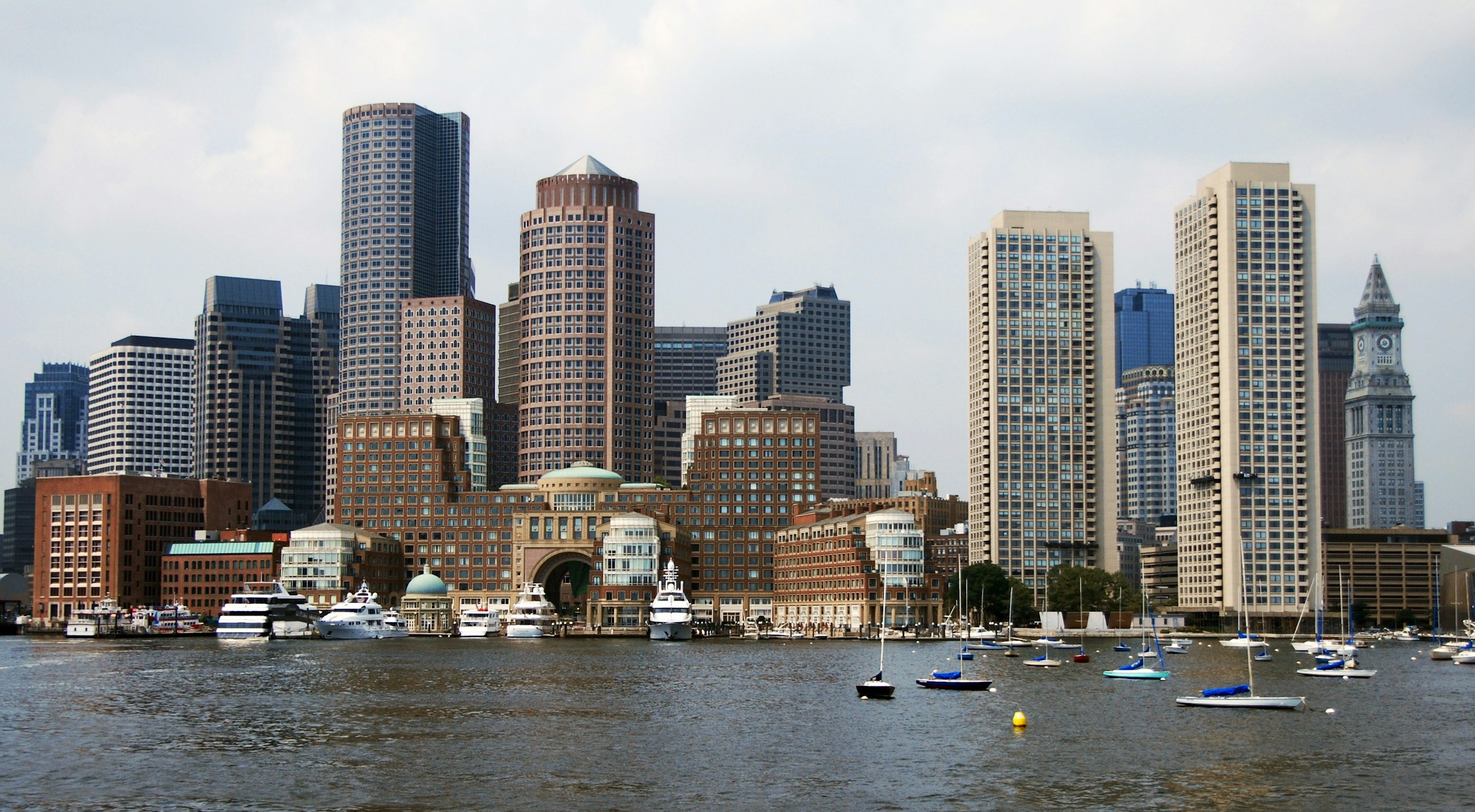
Boston, USA · 19 Apr 2027
Qualified for by nearly everyone on its Hopkinton start line.