Men’s course record
2:04:42
Addisu Gobena · 2026
- Average pace
- 2:57 / km
- Terrain-adjusted
- −0.47 %
Europe15
Americas6
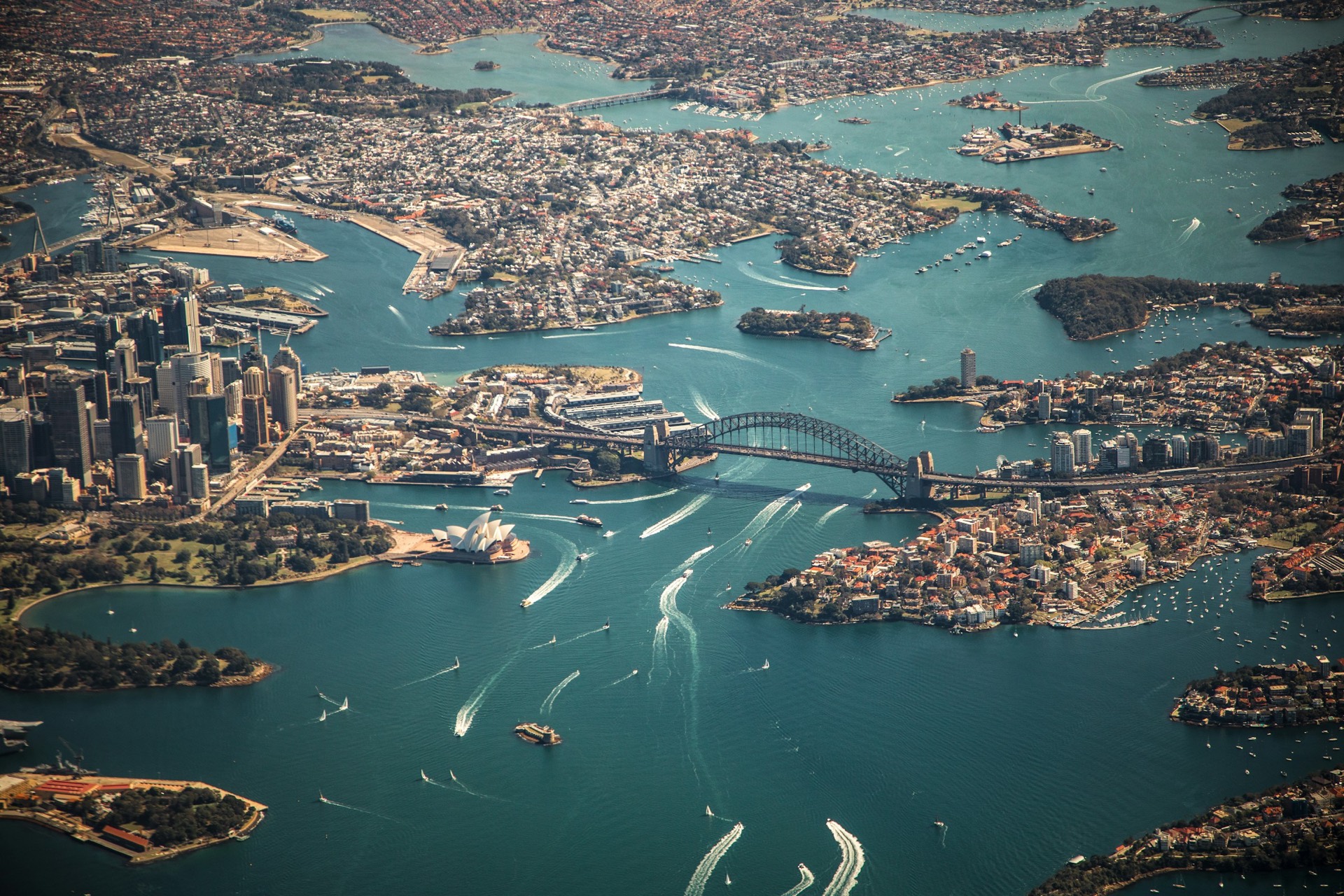
Sydney, Australia The last Sunday in August Founded 2001
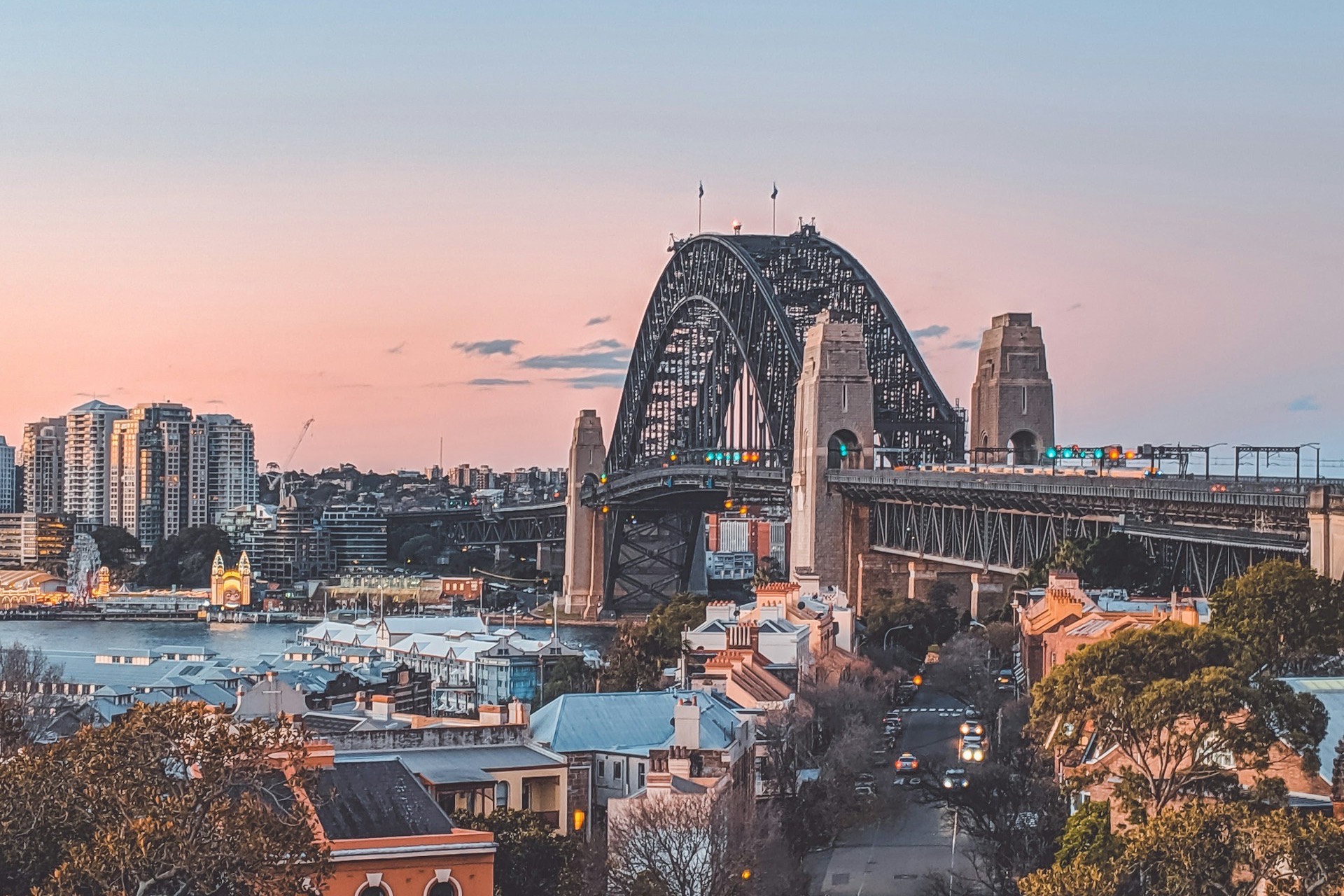
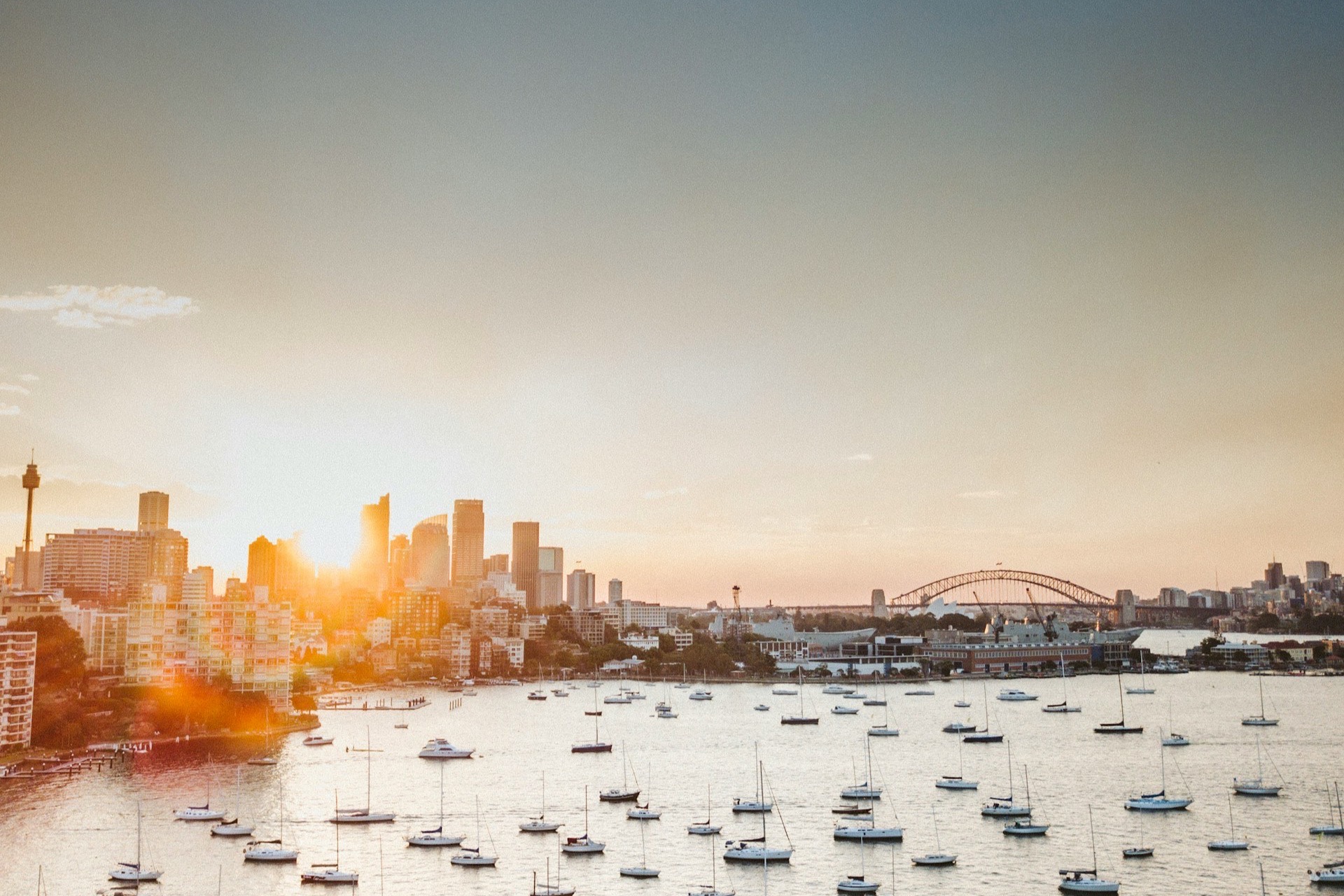
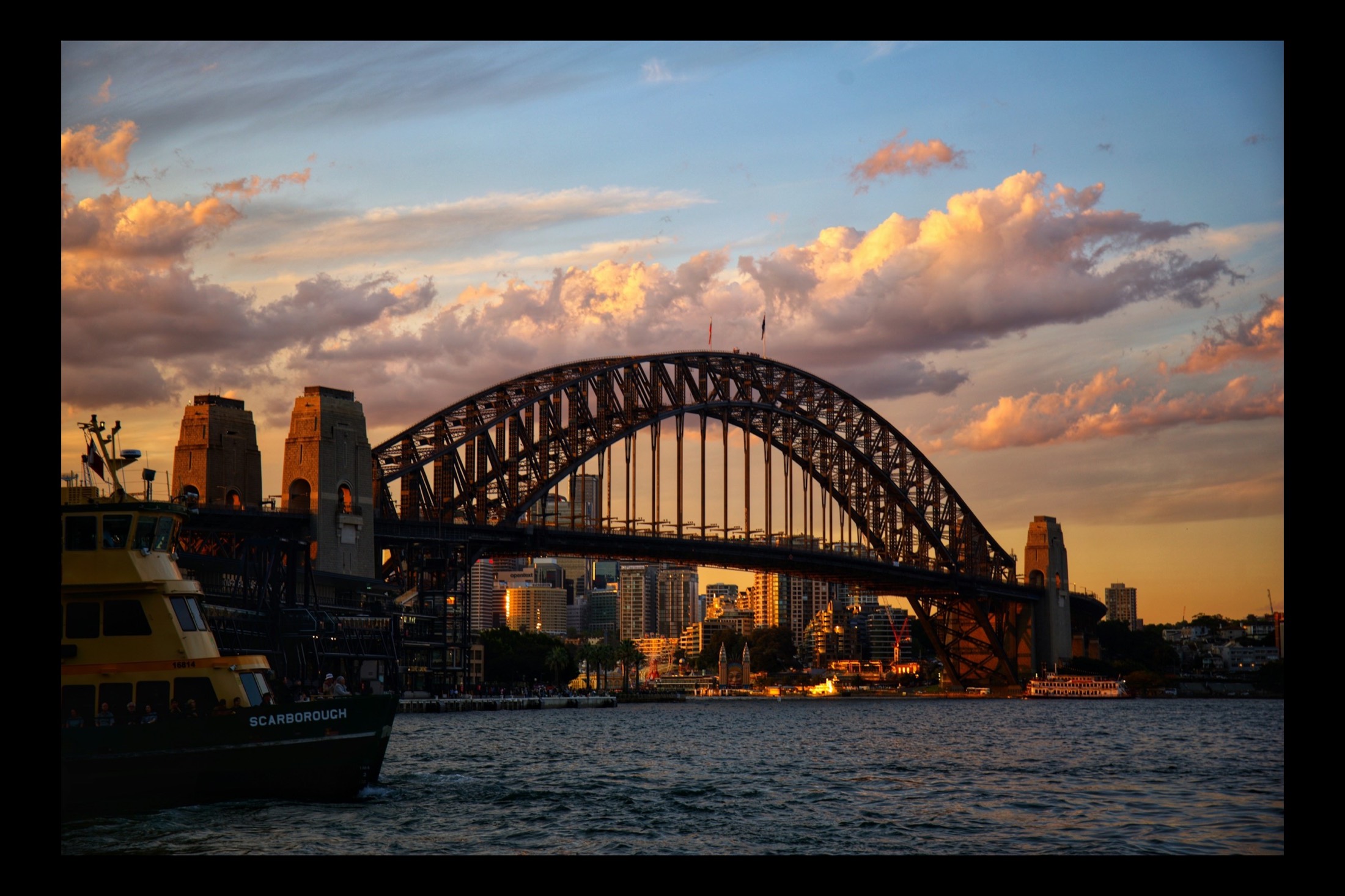
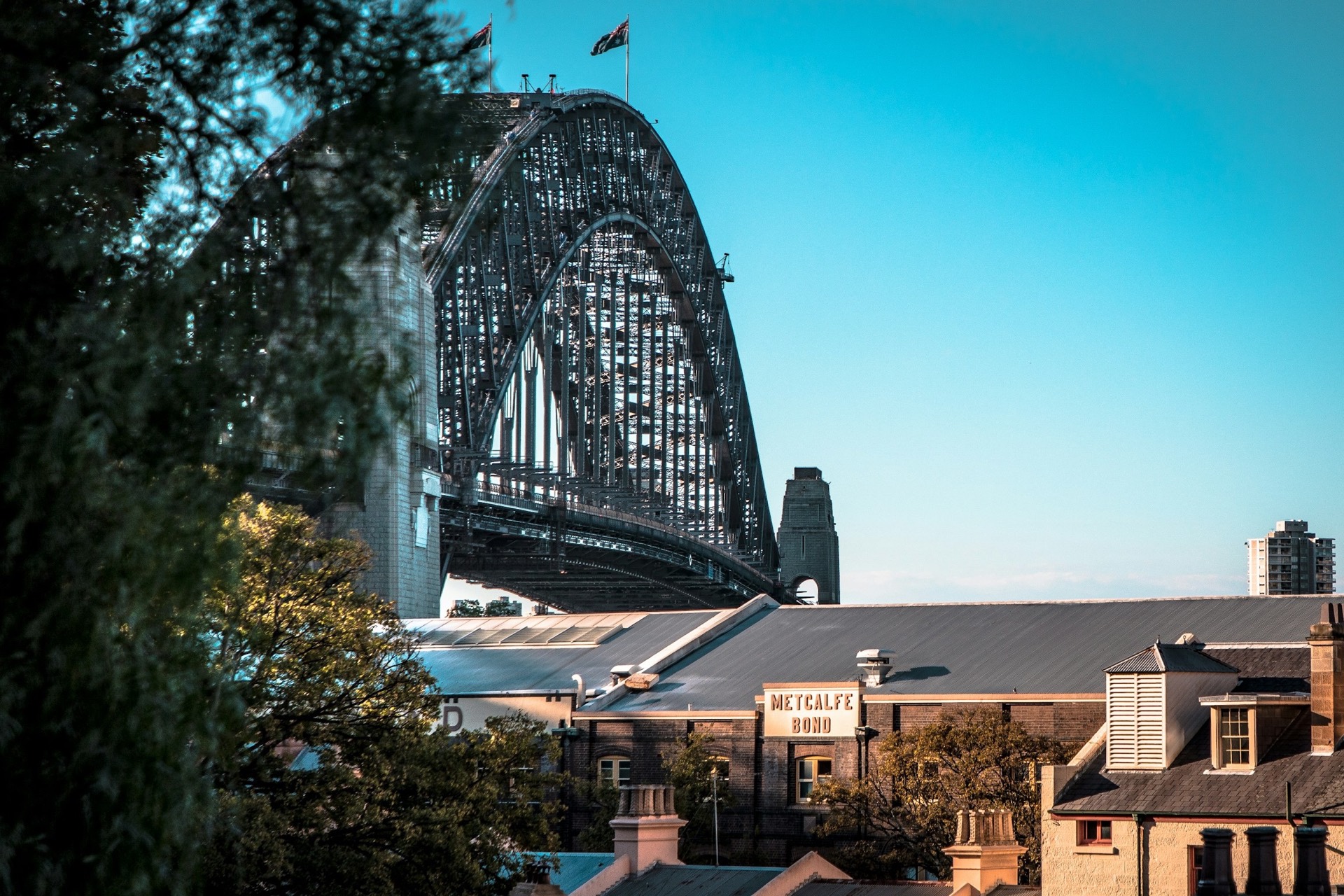
Over the Harbour Bridge in the first three kilometres, and a finish on the Opera House forecourt.
Marathon Course · every marathon course, measured the same way
Sydney Marathon
Over the Harbour Bridge in the first three kilometres, and a finish on the Opera House forecourt. Miller Street, North Sydney → Sydney Opera House, New South Wales, Australia.
Elevation · measured on the course line published for the 2025 and 2026 editions · GA DEM_LiDAR_5m_2025 · smoothed 100 m 2–86 m
—
0.08.416.925.333.742.1
kmmi — elev — grade — hover or drag the profile
Miller Street is the highest point of the course, 86 m at the start. The first 5.0 km hand back 73 m of it, down off the ridge, across the Harbour Bridge on its 49 m deck and on to the water at Darling Harbour. The only climb that matters is the pull up from Circular Quay to Hyde Park at about 14.5 km: 25 m in a kilometre, the steepest climbing kilometre on the course. From there it rolls through Moore Park and the Centennial Park loop, then falls 37 m over the last 7.0 km to Mrs Macquarie's Chair and the Opera House. Add up the energy cost of every gradient and, for a three-hour runner, the course comes out about 54 seconds quicker than a flat 42.195 km (0.47 %).
Take it with you
Course GPX Organiser's course map
The GPX is ours: our resampled line, a point every 25 m, carrying GA DEM_LiDAR_5m_2025 elevation rather than the GPS noise a watch file usually holds.
GA DEM_LiDAR_5m_2025, measured on the course line published for the 2025 and 2026 editions, smoothed 100 m · marathoncourse.com/marathons/sydney/ · checked 2026-09-22
20052010201520202025
Pace is derived from the certified distance. Terrain-adjusted figures come from the same model that ranks every course on this site.
Men’s course record
2:04:42
Addisu Gobena · 2026
Women’s course record
2:18:22
Sifan Hassan · 2025
The morning, hour by hour
Race-day mean temperature, 1995-2025. Lime marks the hottest edition; the coldest and wettest carry a label only, so the colour still means one thing.
Less than it looks, and downhill on balance. It climbs 276 m and descends 358 m, finishing 82 m below the start. The organiser publishes 313 m of climb against the 276 m measured from the course line, a difference of 12 %. Three bridge spans have no published deck height and are interpolated, so the climb figure is less settled than most. The net drop is firmer, because it's the difference between two heights, not a sum of thousands of them.
Geoscience Australia DEM_LiDAR_5m_2025, sampled every 25 m, smoothed over 100 m. Three bridge spans have no published deck height and are interpolated.
Almost all of it in the first 5.0 km. Miller Street in North Sydney is the highest point on the whole course at 86 m, and the race drops 73 m off that ridge, over the Harbour Bridge and down to the water. The one real climb is the pull from Circular Quay up to Hyde Park at about 14.5 km.
Measured profile.
Yes. The 2026 draw took more than 123,000 applications for about 40,000 places, roughly one in three. The 2027 ballot runs from 29 September to 19 October 2026, and results come out on 3 November.
Organiser ballot page, checked 2026-09-22.
Seven hours from the 6:30am start, so the course closes at about 1:30pm. The organiser hasn't published intermediate cut-offs, so that's the only time a slower runner can plan against.
Organiser race information.
Yes, the seventh. Sydney was named a Major on 4 November 2024 and first ran as one on 31 August 2025.
World Marathon Majors.
Not under World Athletics rules. A record course can lose at most a metre per kilometre between start and finish; Sydney loses 82 m, or 1.95 m per kilometre, nearly twice the limit. The fast times run here are real, but they can't be ratified as world records.
Sydney's start and finish heights from this site's profile, against Book C, Part III of the World Athletics Competition Rules.
If you can get in. There's a big field and a city's worth of support, and the profile hands you free height in the first 5.0 km. The catch is that the opening descent is steep enough to flatter you into a pace you'll pay for after 30.0 km.
Measured profile; organiser race information.
More than 40,000 took a marathon place in 2026, within about 44,000 across the event. The ballot drew more than 123,000 applications.
Organiser figures for the 2026 edition.
About 14.5 °C during a typical race: that's the median across 31 years, which have run from 12.2 °C to 19.4 °C. 3 of the 31 were wet.
ERA5 reanalysis for the race date, 1995-2025.
Sydney's measured net drop is 82 m. Under the B.A.A. rules for 2027 qualifying, a course only loses five minutes once its net drop reaches 1,500 ft, so a time run here would count at face value. Certification is less clear. The B.A.A. accepts qualifying times only from courses certified by AIMS or the national federation, and the organiser's site doesn't say. Check with the organiser before planning a qualifying attempt here.
Net drop −82 m from this site's course line; 2027 adjustment None. Certification unconfirmed: Not stated on the organiser site as of this date.
It comes from GA DEM_LiDAR_5m_2025, sampled every 25 m along the course line and smoothed over 100 m. The raw-to-smoothed ratio here is 1.33. Around 1.3 means the model is reading the ground, not rooftops; above about 2.0 the total climb carries real noise, and the net change is the sturdier number.
0 missing samples · 4 bridge spans corrected.
| Fact | Source | Verified |
|---|---|---|
| Course line | Third-party GPX for the 2026 edition, validated against the certified 42.195 km | 2026-09-22 |
| Course line, independent checks | Checked against two OSM-derived routes for earlier editions (drawn by Ahotu, hosted on Strava, licensed ODbL in the files themselves). The 2024 route runs a median 8.9 m from our line and differs only near the ANZAC Bridge and Moore Park — the same course, with two short changes. The 2023 route differs in eleven stretches and sits 260 m away at the 90th percentile: a materially different course, which fits the re-route made for Major status. Both measure long against the certified distance (+677 m and +1,092 m) because OSM snapping follows road centrelines, which is why they are checks and not our source. | 2026-09-22 |
| Course line, vintage | The same trace is published for both 2025 and 2026 — a Google My Map of it, labelled 2025, matches our file point for point, all 650 of them. The aggregator re-labels one line by year rather than re-tracing, so the year in its filename is not evidence that the course was re-measured for that year. The 2024 OSM route above differs only near the ANZAC Bridge and Moore Park, so the course has been stable since at least 2024. | 2026-09-22 |
| Elevation | Geoscience Australia DEM_LiDAR_5m_2025, bridges corrected; the Harbour Bridge deck modelled at its published 49 m navigational clearance | 2026-09-22 |
| Elevation, organiser's figure | The organiser publishes 313 m of gain against our measured 276 m, a difference of 12 %. Three bridge spans on this course have no published deck height and are interpolated, which is the likeliest reason for the gap. | 2026-09-22 |
| Race date, start and finish, cut-off | Organiser: Sunday 29 August 2027, Miller Street North Sydney to the Sydney Opera House, 6:30am start, seven-hour limit | 2026-09-22 |
| Entry and ballot | Organiser ballot page: A$280 domestic, A$330 international; 2027 ballot 29 September to 19 October 2026, results 3 November 2026; 123,000+ applications for about 40,000 places in 2026 | 2026-09-22 |
| Course records | World Athletics report, 2026: Addisu Gobena 2:04:42, Peres Jepchirchir 2:18:31 | 2026-09-22 |
| Major status and history | Abbott World Marathon Majors: named the seventh Major on 4 November 2024, first run as a Major on 31 August 2025 | 2026-09-22 |
| Certification | Not stated on the organiser site as of this date. Unconfirmed. | 2026-09-22 |
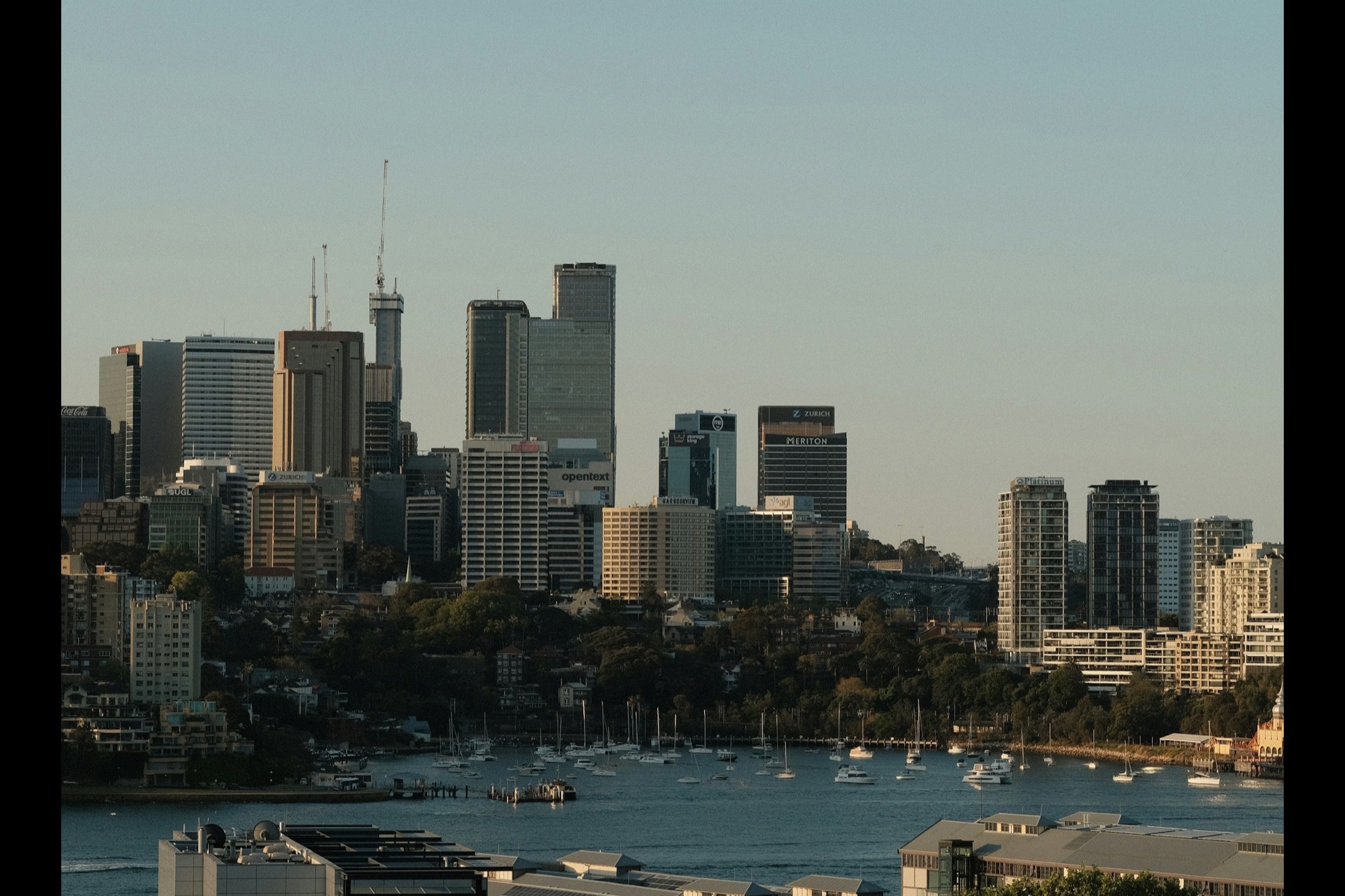
| Photography | Unsplash: Jamie Davies (Harbour Bridge and Opera House from the air; The Rocks), Leigh (the bridge and the city), Josh Withers (the harbour at sunset), boxiang Xiao (the bridge from Circular Quay), Dominic Kurniawan Suryaputra (Millers Point) | 2026-09-22 |
| Race-day weather | ERA5 reanalysis via the Open-Meteo archive, for the last Sunday in August 1995–2025, over the hours the race is run | 2026-09-22 |
Until the Sydney Marathon · 29 Aug 2027
— days
— hrs— min— sec
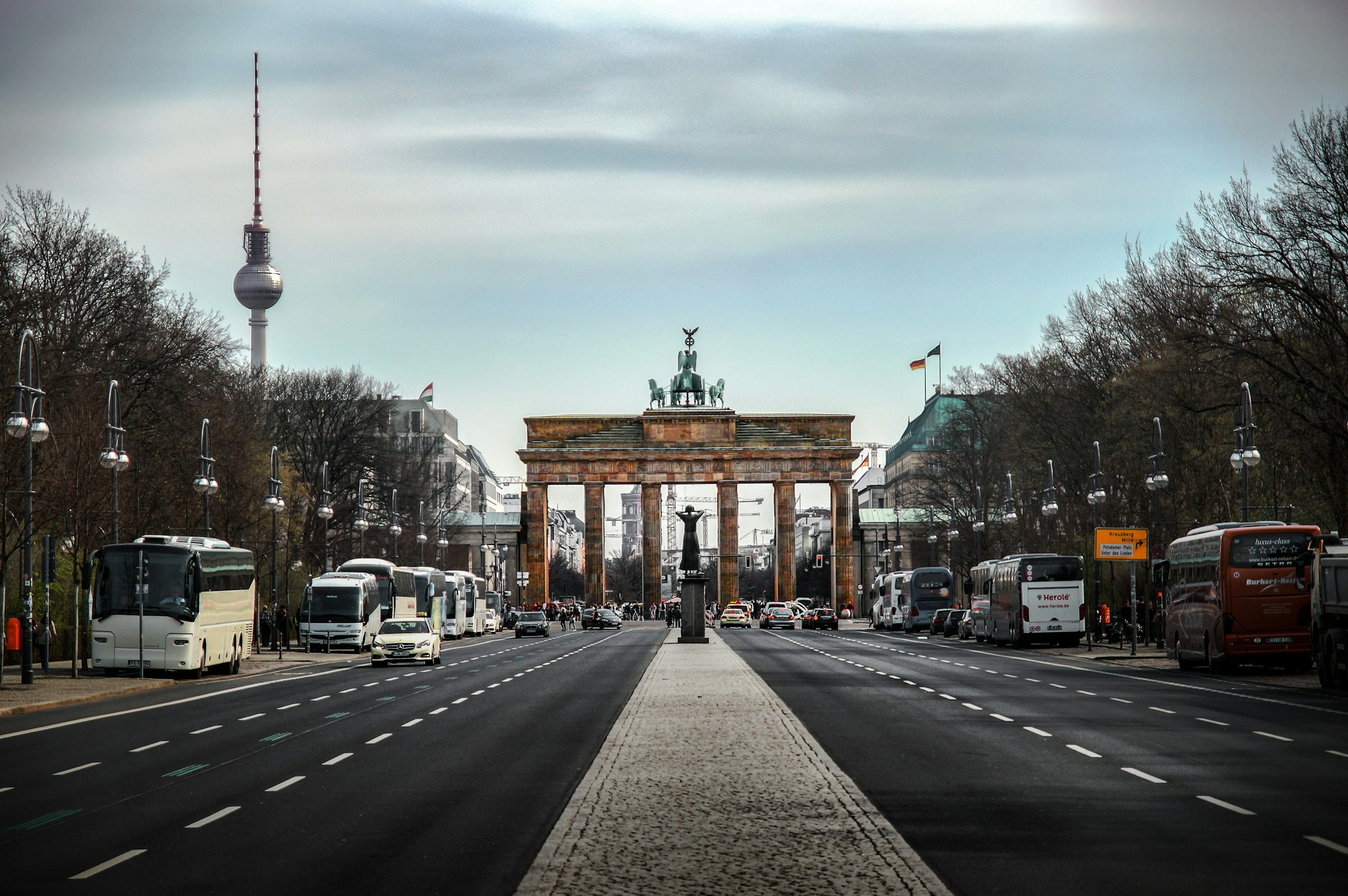
Berlin, Germany · 27 Sept 2026
A ten-minute walk from start to finish, and thirteen world records set in between.
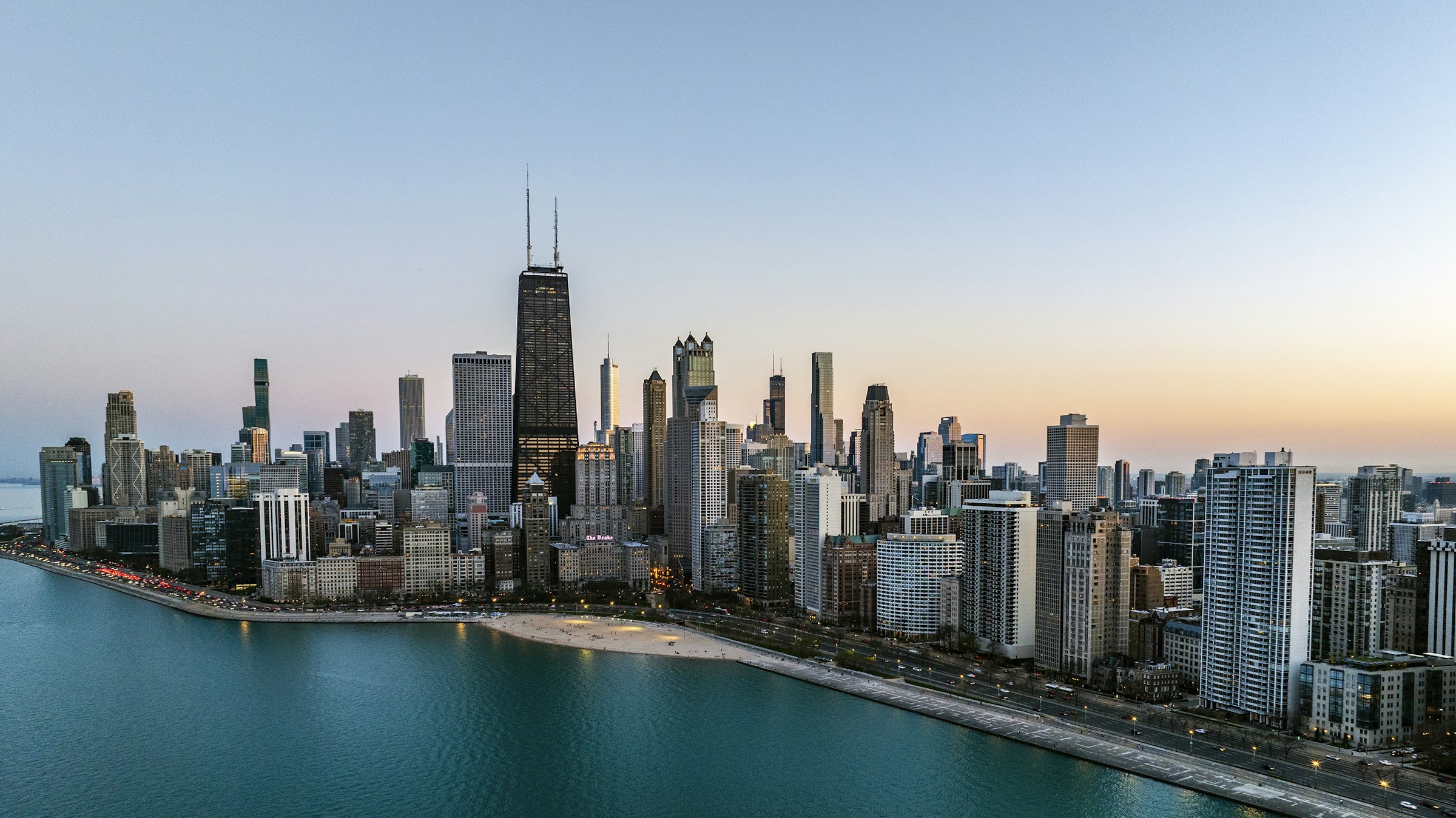
Chicago, USA · 11 Oct 2026
Seven world records on a loop through twenty-nine neighbourhoods.
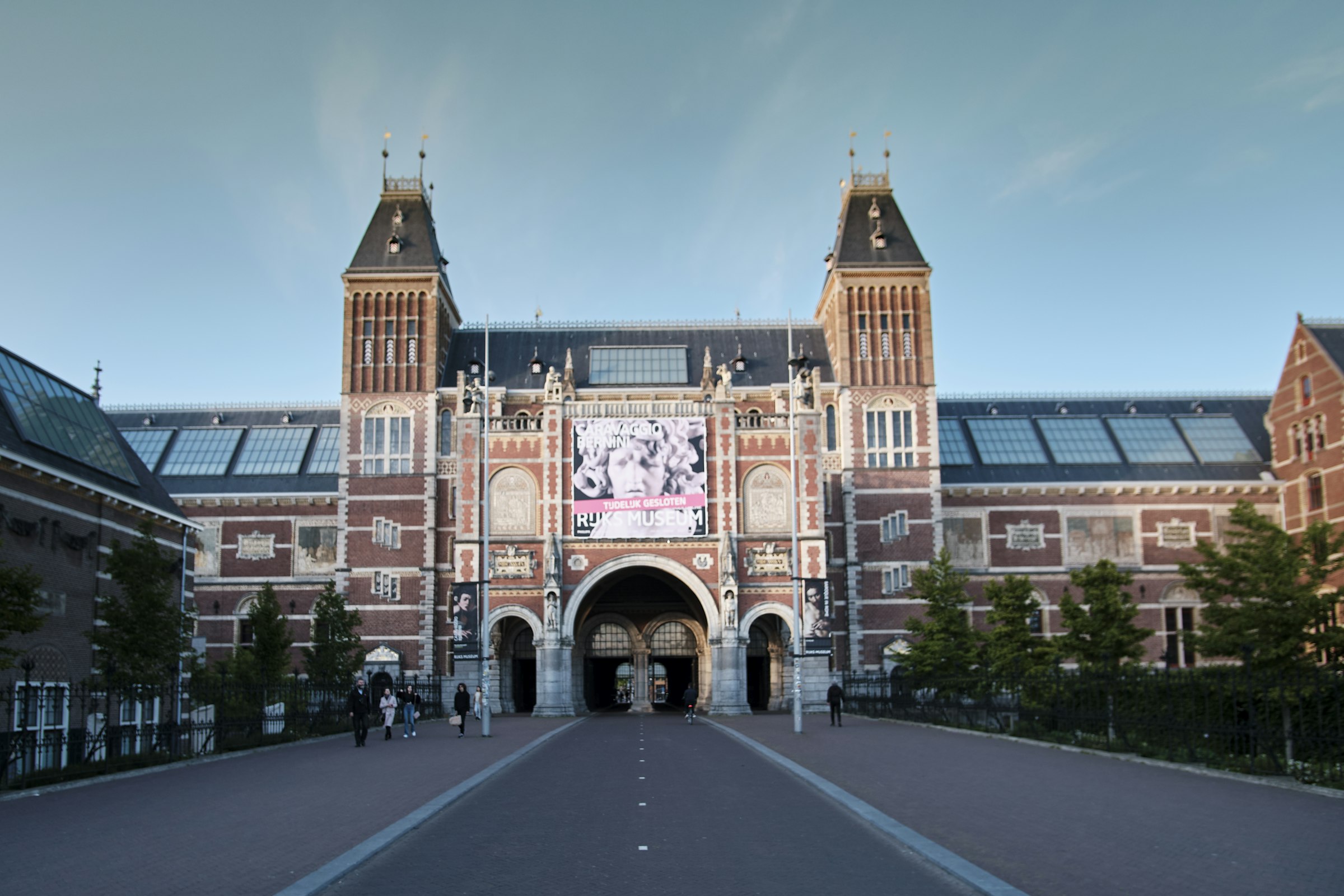
Amsterdam, Netherlands · 18 Oct 2026
From the 1928 Olympic Stadium, through the Rijksmuseum and twelve kilometres out along the Amstel.