Men’s course record
2:05:20
Ibrahim Hassan · 2026
- Average pace
- 2:58 / km
- Terrain-adjusted
- −0.06 %
Europe15
Americas6
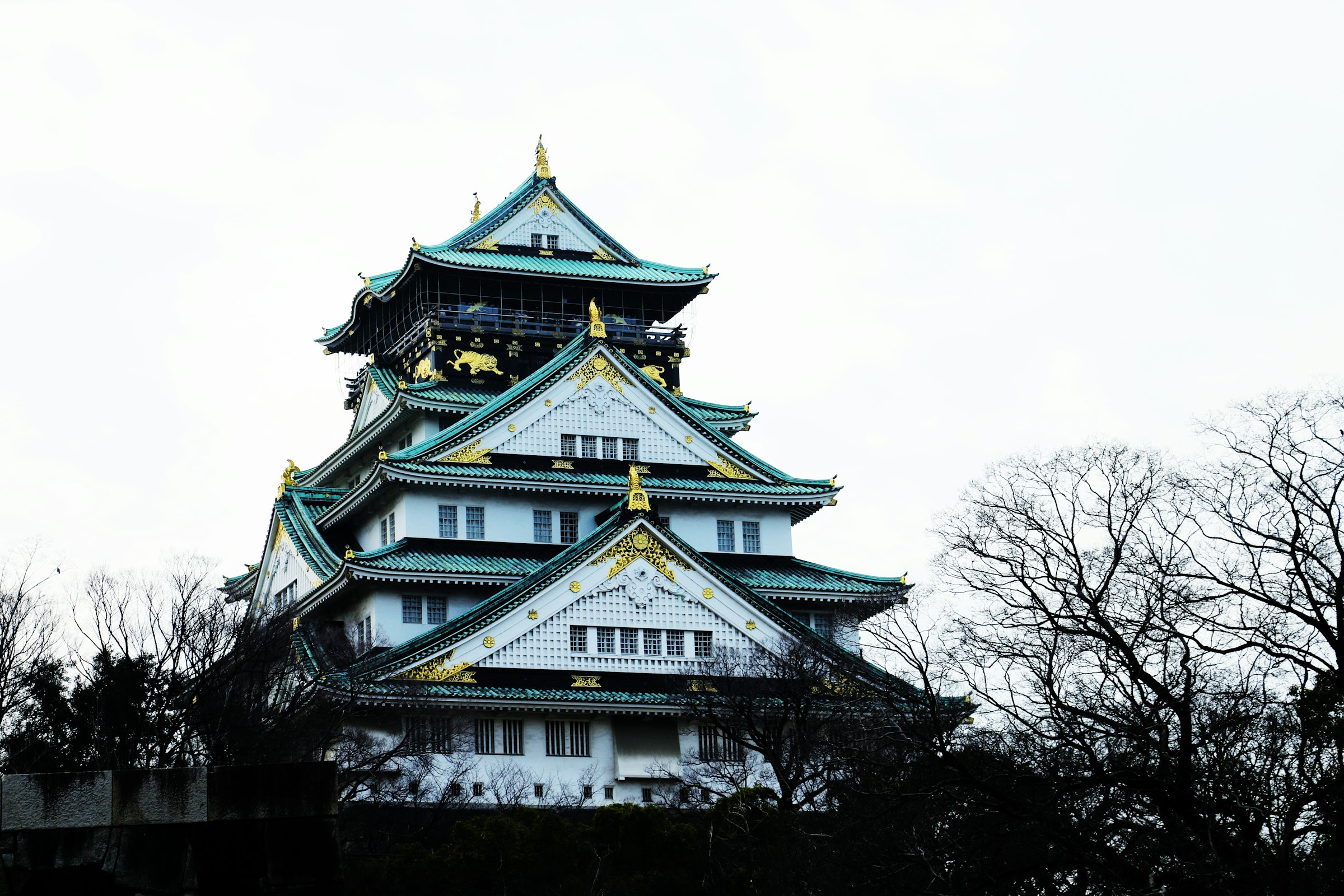
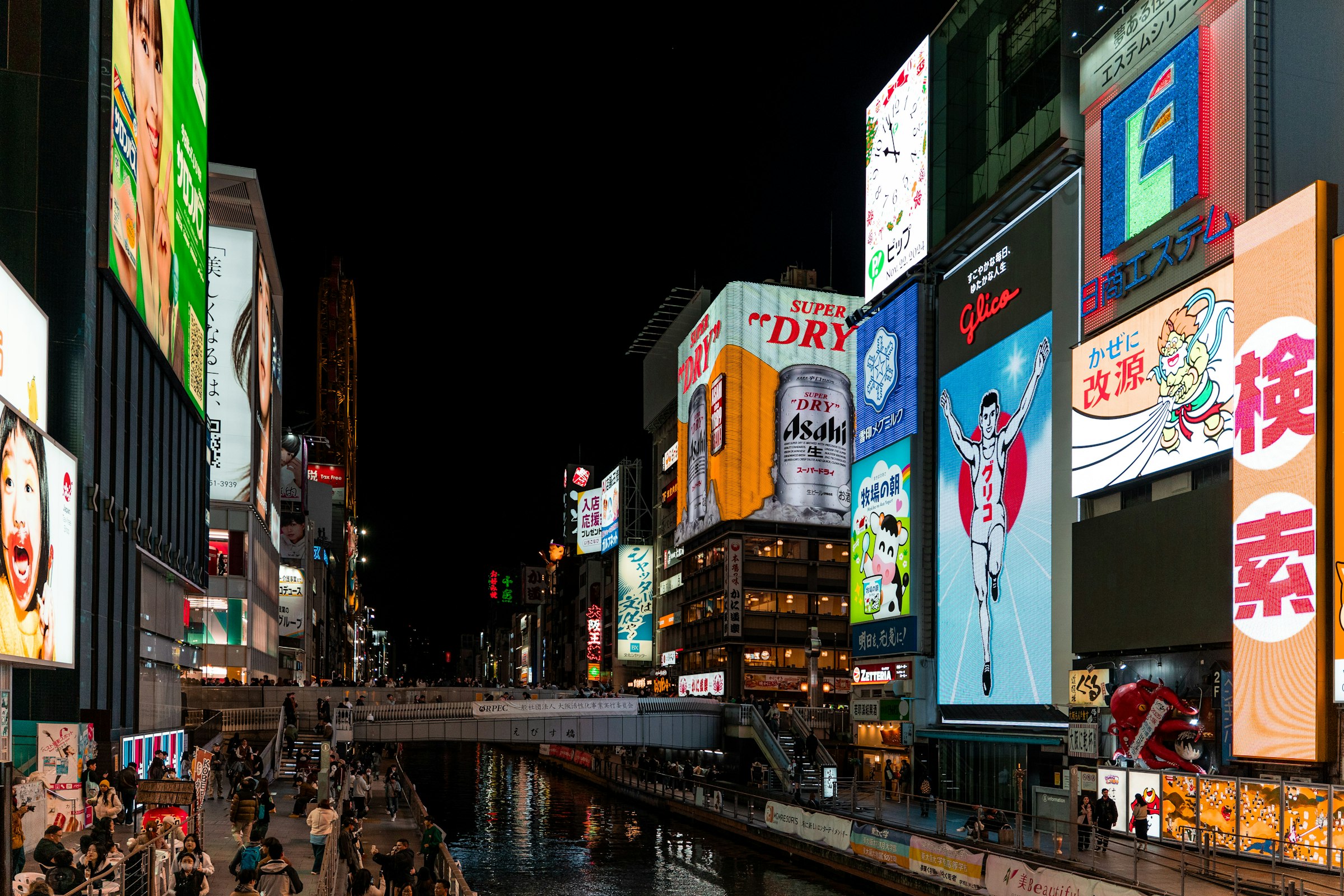
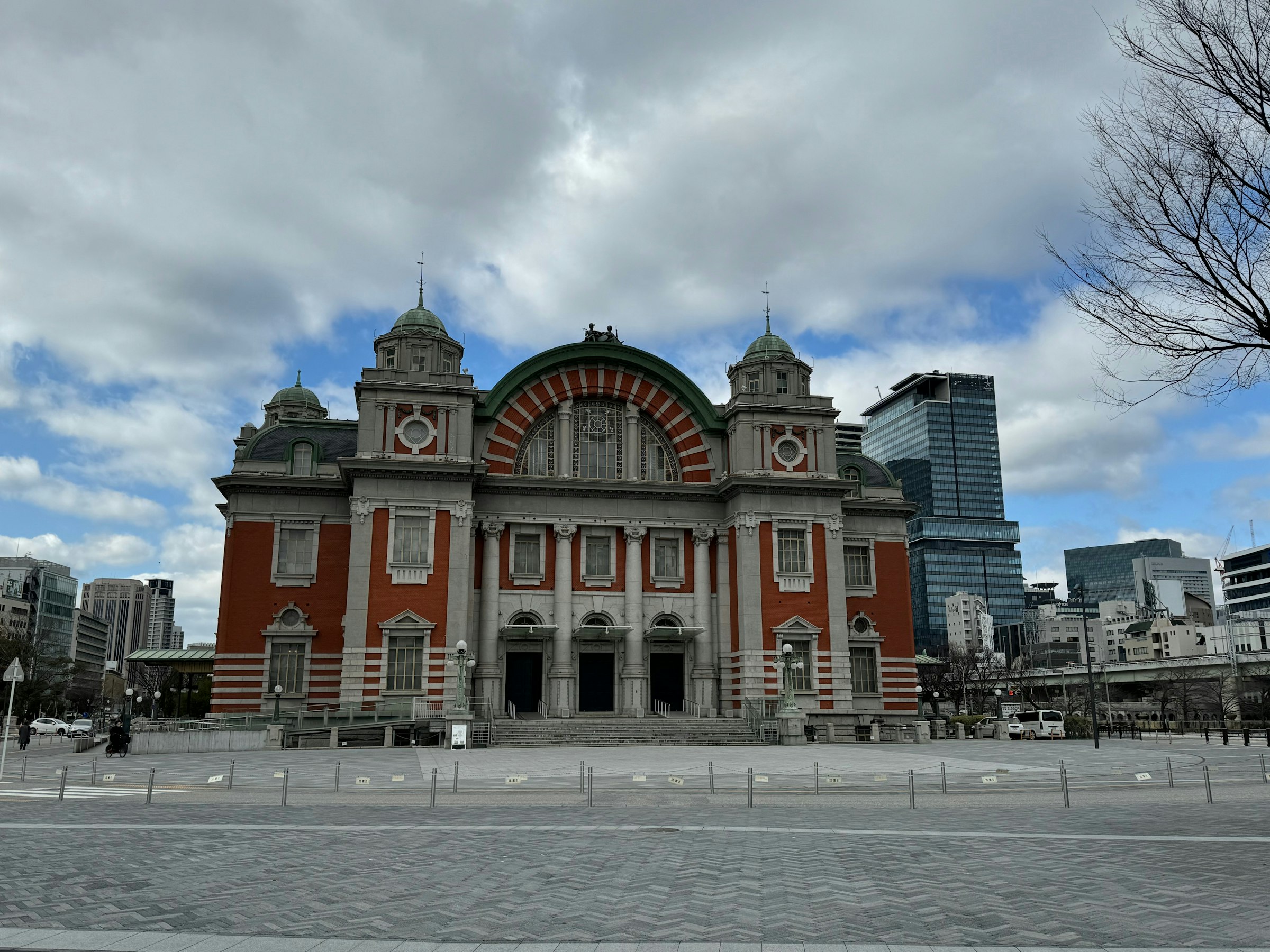
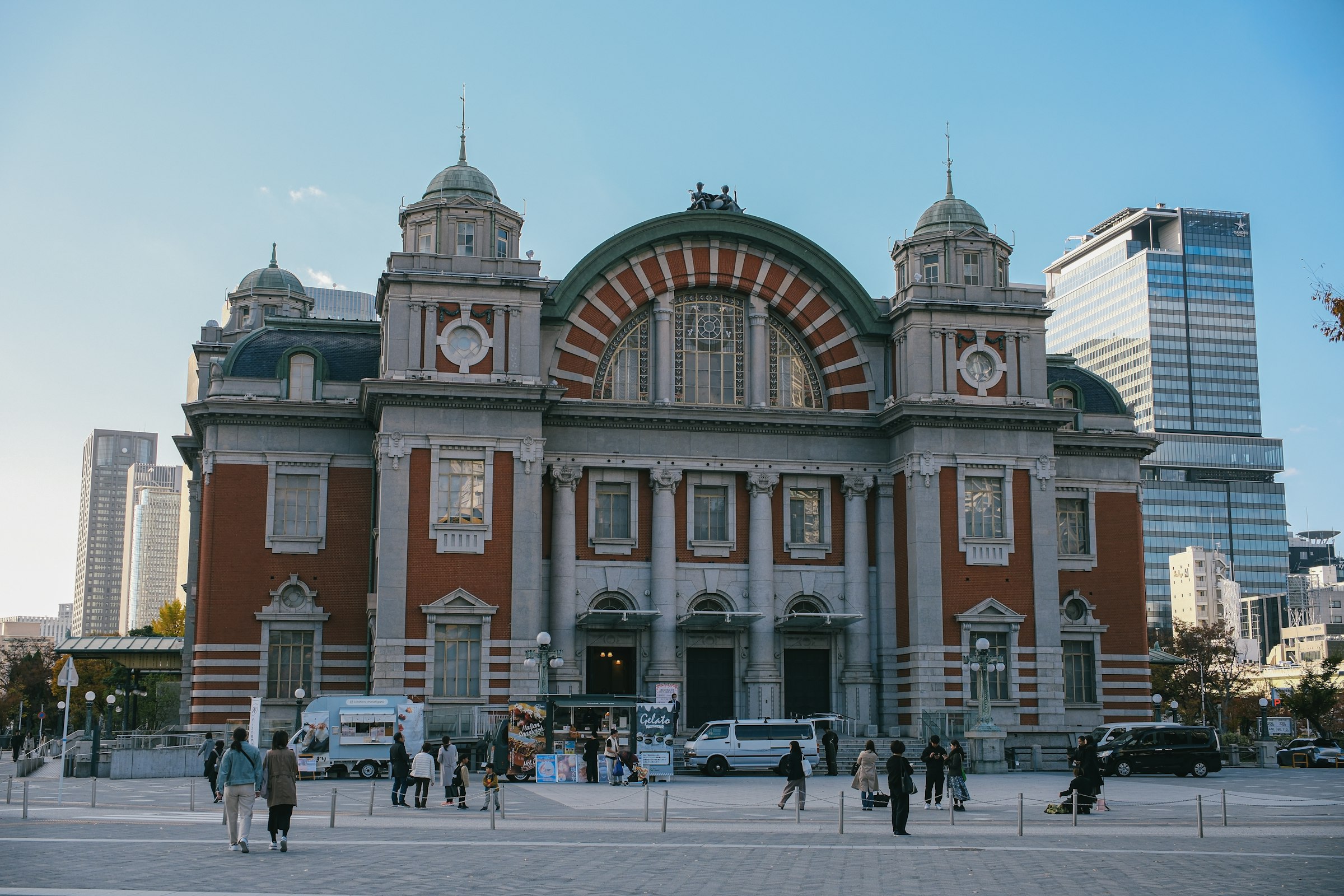
Osaka, Japan The last Sunday in February Founded 2011
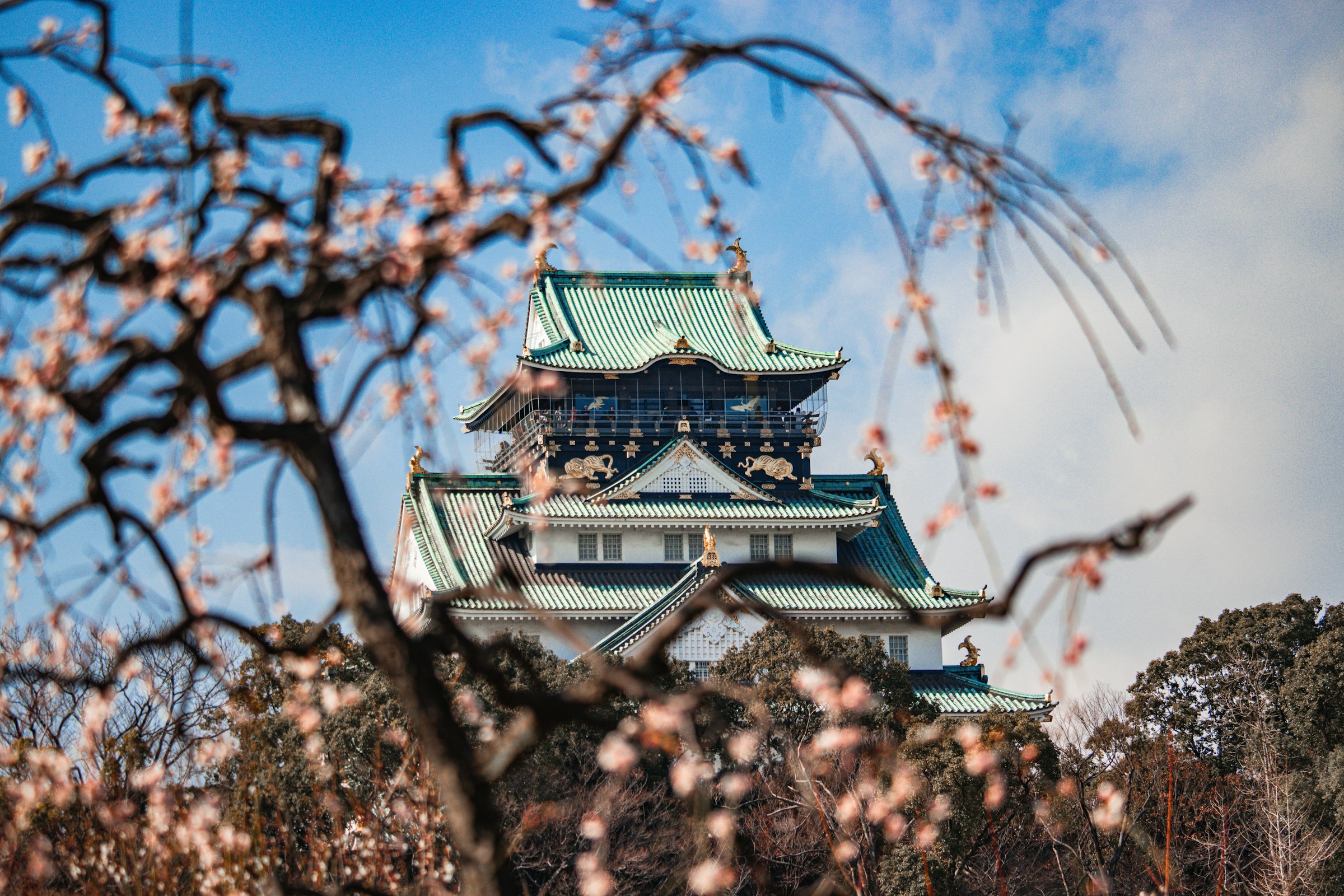
Down Midosuji to the docks and back, with one short climb onto the plateau before the castle.
Marathon Course · every marathon course, measured the same way
Osaka Marathon
Down Midosuji to the docks and back, with one short climb onto the plateau before the castle. Osaka Prefectural Government Building → Osaka Castle Park, Osaka, Japan.
Elevation · a third-party GPX of the 2025 edition, whose map the 2027 race still uses · GSI (1 m lidar where available) · smoothed 100 m -2–21 m
—
0.08.416.925.333.842.2
kmmi — elev — grade — hover or drag the profile
Outside the prefectural offices, at the northern tip of the Uemachi plateau, the start sits at 15 m, higher than anything in the next 31 km. The course is off the plateau within 0.5 km. From there to 31.7 km it never rises above 5 m, and out west in Minato and Taisho, by the docks, it runs at sea level, give or take a metre.
Then comes the only hill. Just after 31.7 km the course turns east up Sennichimae-dori onto the plateau and gains 17 m in 0.6 km. The steepest climbing kilometre starts at 31.3 km and gains 18 m, and the high point, 21 m, comes at 32.3 km. The top runs south along Uemachi-suji for about a kilometre, then Katsuyama-dori drops 14 m back to the flat by 34.6 km.
The last 7.6 km are level again. The finish is 5 m above sea level, 11 m below the start. The chart draws the crossing of the Okawa at 6.3 km as a straight line, because the elevation model reads the river under the bridge instead of the deck. Add up the energy cost of every gradient and the course comes out about level with a flat 42.195 km.
Take it with you
Course GPX Organiser's course map
The GPX is ours: our resampled line, a point every 25 m, carrying GSI (1 m lidar where available) elevation rather than the GPS noise a watch file usually holds.
GSI (1 m lidar where available), a third-party GPX of the 2025 edition, whose map the 2027 race still uses, smoothed 100 m · marathoncourse.com/marathons/osaka/ · checked 2026-09-24
201520202025
Pace is derived from the certified distance. Terrain-adjusted figures come from the same model that ranks every course on this site.
Men’s course record
2:05:20
Ibrahim Hassan · 2026
Women’s course record
2:21:44
Mare Dibaba · 2026
The morning, hour by hour
Cut-offs
Start and finish times from the organiser's 2027 guidelines; wave and changing times from the 2026 runner guide. The 2026 cut-offs, which count from the first gun at 9:15am. A sweep vehicle follows at the closing pace, and anyone it passes is stopped wherever they are.
Race-day mean temperature, 1995-2025. Lime marks the hottest edition; the coldest and wettest carry a label only, so the colour still means one thing.
Nearly all of it. From 0.5 km to 31.7 km the course never rises above 5 m. Then it climbs 17 m in 0.6 km onto the Uemachi plateau, stays up for about a kilometre and comes back down. The whole race climbs 87 m.
GSI Japan elevation tiles, sampled every 25 m, smoothed over 100 m. Raw-to-smoothed ratio 1.71.
On the last Sunday in February, which is 28 February in 2027. In 2025, when the last Sunday fell on the Emperor's Birthday, it ran on the Monday holiday after it.
The organiser's 2027 guidelines; race dates 2022–2026.
Through the ballot, which for 2027 closed on 28 August 2026, with results due by email on 28 September. From overseas you apply through JTB Sports Station. Charity places are first come until 19 October, for a fundraising pledge.
The organiser's 2027 guidelines.
Seven hours from the first wave's gun at 9:15am, so the course closes at 4:15pm. In 2026 the last wave went half an hour later. There were ten cut-offs, and a sweep vehicle stops anyone it passes.
The organiser's 2027 guidelines and 2026 runner guide.
Yes. Ibrahim Hassan ran 2:05:20 here in 2026 and Mare Dibaba 2:21:44, both course records. In 2025 four men finished under 2:06, and Ryota Kondo ran 2:05:39 on his debut.
The organiser's results; Japan Running News.
Usually cold. Across the 29 years sampled the median in the race window is 8.4 °C, and 11 of them averaged 7 °C or less. Snow fell over the last quarter of the 2025 race. The organiser collects spare layers at the start for recycling.
ERA5 reanalysis sampled on the last Sunday in February, 1995–2025. The race was held in the autumn until 2019, so earlier years describe today's date, not past race days.
At the expo at INTEX Osaka on the Friday and Saturday before the race. There's no collection on race day, nobody else can collect it for you, and you'll need photo ID.
The organiser's 2027 guidelines.
Local food, much of it from the city's ward shopping associations. In 2026 the stations carried takoyaki, croquettes, fried chicken and pickled rakkyo along with the drinks.
The organiser's 2026 runner guide.
No. An application can't be changed or cancelled for personal reasons once it's made. If the race itself is called off, the refund is what's left after costs already spent.
The organiser's 2027 guidelines.
Yes. The course loses 11 m from start to finish, about a quarter of what the rule allows, and the start and finish are 850 m apart. It's a World Athletics Gold Label race.
Osaka's start-to-finish drop and separation on the course line, against World Athletics Competition Rule 31.21.
The 2027 marathon has 31,970 places, not counting the elite field. In 2026, 32,739 started and 30,680 finished.
Organiser figures for the 2027 edition.
About 8.4 °C during a typical race: that's the median across 29 years, which have run from 3.9 °C to 14.9 °C. 6 of the 29 were wet.
ERA5 reanalysis for the race date, 1995-2025.
It does. The course is certified by JAAF, World Athletics and AIMS, and the finish is only 11 m lower than the start, nowhere near the 1,500 ft of net drop at which the B.A.A. starts adjusting times. Most of it is flat and February in Osaka is cold, which suits a fast time. Keep something back for the climb at 32.0 km.
Net drop −11 m from this site's course line; 2027 adjustment None. Certification gold label: World Athletics Gold Label; course certified by JAAF, World Athletics and AIMS; record-eligible.
It comes from GSI (1 m lidar where available), sampled every 25 m along the course line and smoothed over 100 m. The raw-to-smoothed ratio here is 1.71. Around 1.3 means the model is reading the ground, not rooftops; above about 2.0 the total climb carries real noise, and the net change is the sturdier number.
0 missing samples · 2 bridge spans corrected.
| Fact | Source | Verified |
|---|---|---|
| Course line | Third-party GPX for the 2025 edition. The organiser's course maps for 2025, 2026 and 2027 are the same drawing, and the 2027 guidelines give the same start and finish. The file measures 42.413 km, 0.52 % long, from 322 points, one every 132 m on average, so corners are cut a little. Our resampled line measures 42.236 km, so distances on this page run about 0.1 % long. Archived with its hash in data/raw/sources. | 2026-09-24 |
| Elevation | GSI Japan elevation tiles, 1 m lidar where available, sampled every 25 m, smoothed over 100 m. Raw-to-smoothed gain ratio 1.71. Two spans at the Tenjinbashi crossing of the Okawa, between 6.3 and 6.8 km, were straightened between their ends, because the model reads the river below the deck. | 2026-09-24 |
| Elevation, independent check | The organiser gives a maximum height difference of 21.4 m and publishes a profile with one rise, between about 31 and 34 km. We measure 22.8 m from the lowest point to the highest, with the rise in the same place. | 2026-09-24 |
| Race-day weather | ERA5 reanalysis via the Open-Meteo archive, 1995–2025 at the start, 09:00–16:00 local, sampled on the last Sunday in February. That reproduces the 2022–2024, 2026 and 2027 dates. In 2025 the race moved to the Monday holiday after that Sunday, and the sample stays on the Sunday. The race was held in the autumn until 2019, so earlier years describe today's date, not past race days. 2020 and 2021 are excluded. | 2026-09-24 |
| Course records | Ibrahim Hassan 2:05:20 and Mare Dibaba 2:21:44, both 2026, from the organiser's results summary. The previous marks were Yihunilign Adane's 2:05:37 (2025) and Helen Bekele's 2:22:16 (2023). | 2026-09-24 |
| Entry and field | The organiser's 2027 guidelines: 31,970 marathon places, not counting the elite field, 28,420 of them by ballot, at ¥16,000 or US$145. In 2026, 32,739 started and 30,680 finished, from the organiser's results summary. | 2026-09-24 |
| Race day | The organiser's 2027 guidelines for the start, the seven-hour limit and number collection. Wave times, cut-offs and aid stations are from the 2026 runner guide, as the 2027 one isn't published yet. | 2026-09-24 |
| History | The organiser's history page for the course changes and categories. Lake Biwa's origins and the 2021 race from its Wikipedia entry; the 2024 and 2025 debut records from Gekkan Rikujo and Japan Running News. | 2026-09-24 |
| Record eligibility | World Athletics Competition Rules, Book C, Part III — Competition Rule 31.21: a record course may lose no more than 1 m per kilometre, and its start and finish may be no more than 21.098 km apart. Osaka loses 10.8 m overall and its start and finish are 850 m apart. Inside both. | 2026-09-24 |
Until the Osaka Marathon · 28 Feb 2027
— days
— hrs— min— sec
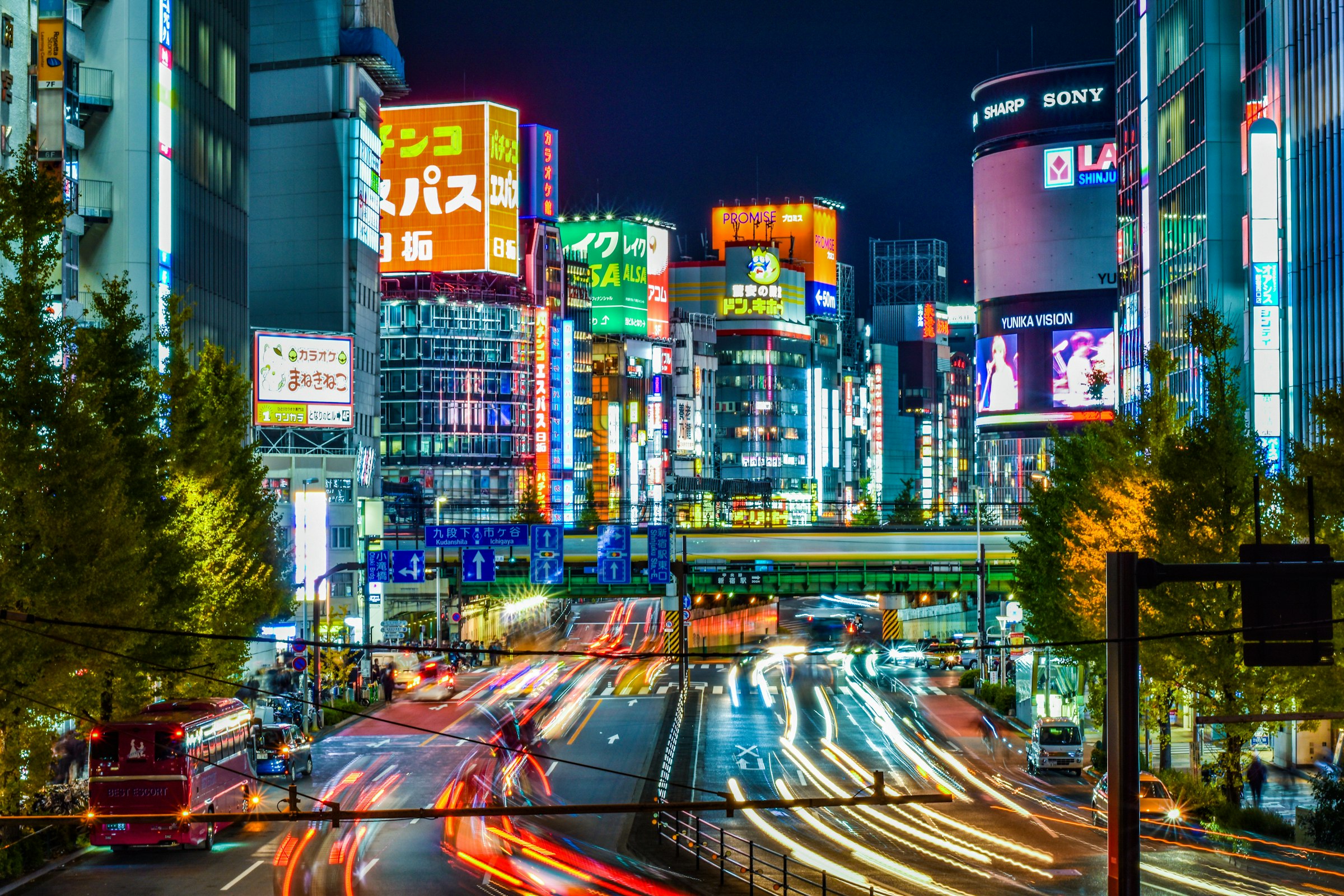
Tokyo, Japan · 7 Mar 2027
Down off the Shinjuku plateau, out to Asakusa and back through Ginza to a finish by the Imperial Palace.
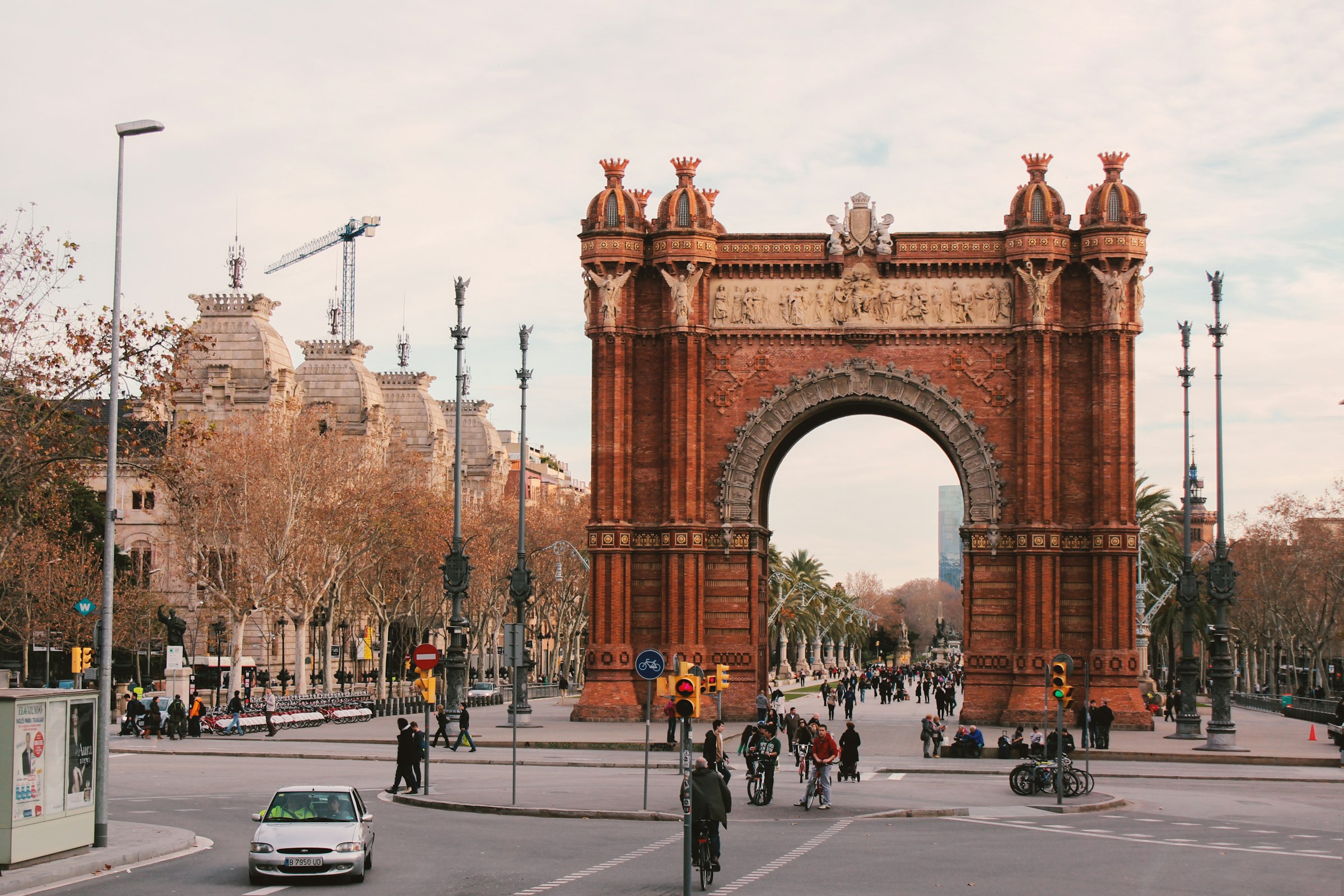
Barcelona, Spain · 14 Mar 2027
Through the Eixample past three Gaudí buildings, down to the harbour and along the sea, and back up to the Arc de Triomf.
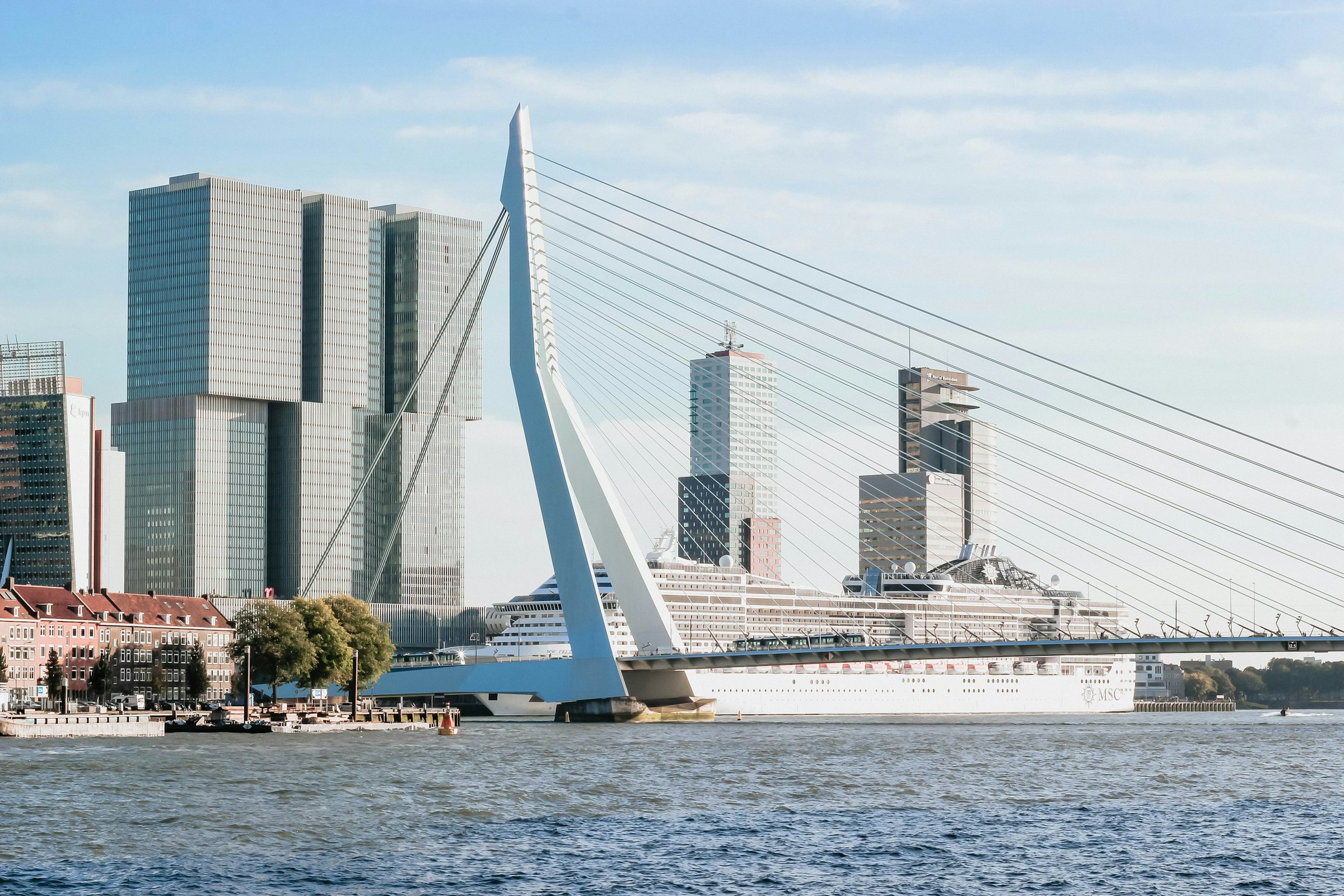
Rotterdam, Netherlands · 11 Apr 2027
Over the Erasmus Bridge to the south bank and back, out round the Kralingse Plas, and home up the Coolsingel.