Men’s course record
1:59:30
Sabastian Sawe · 2026
- Average pace
- 2:50 / km
- Terrain-adjusted
- −0.26 %
Europe15
Americas6
London, United Kingdom Late April Founded 1981
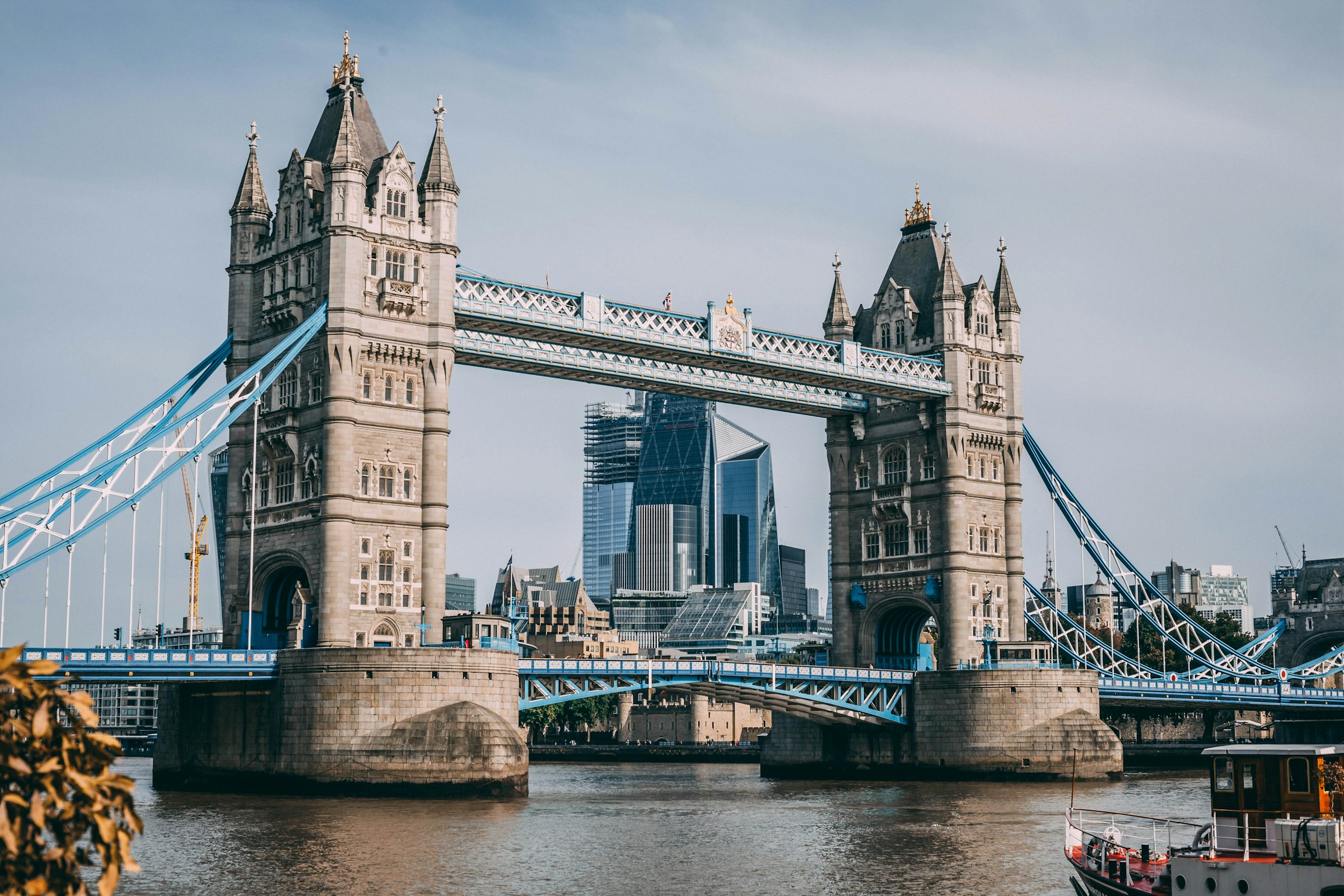
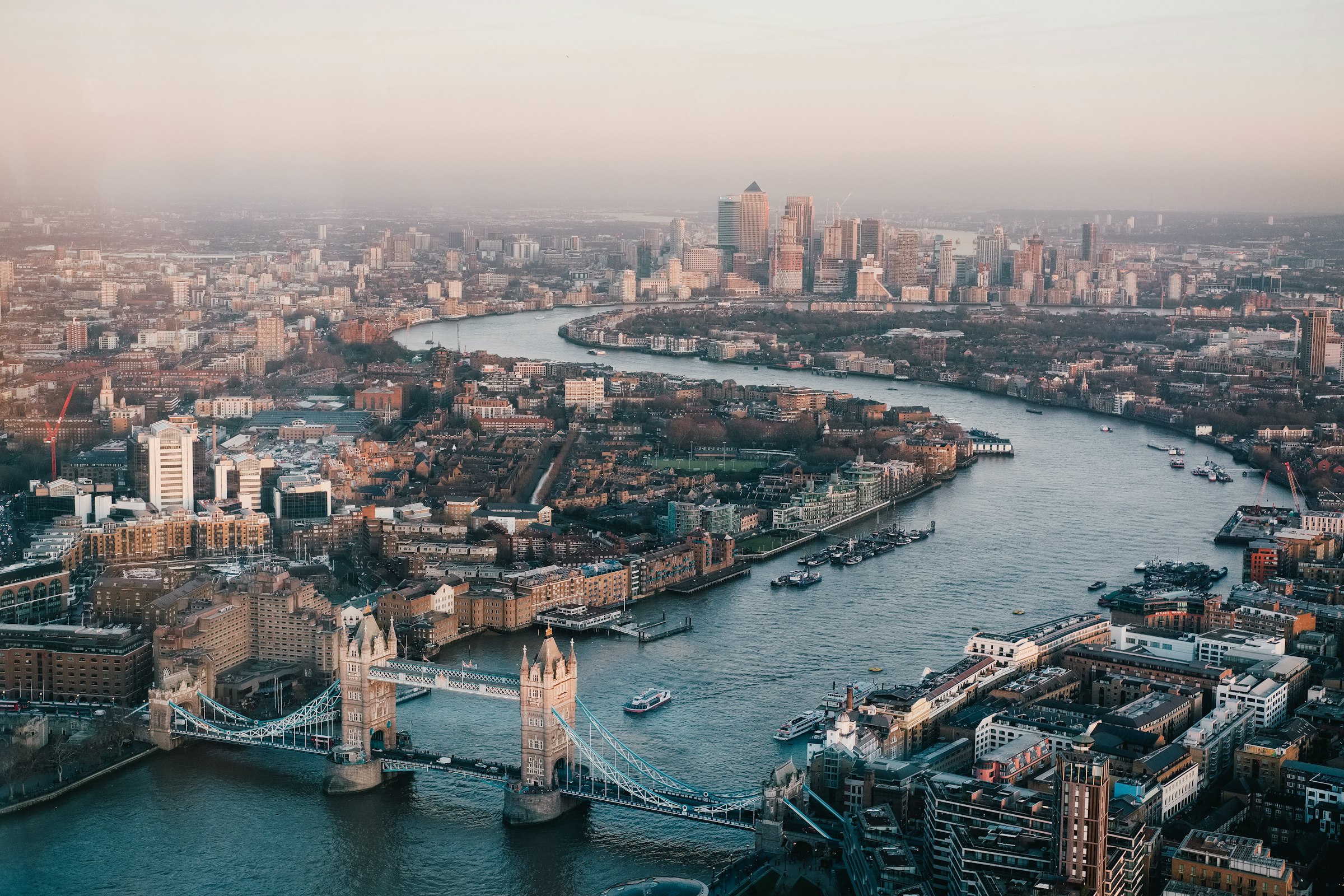
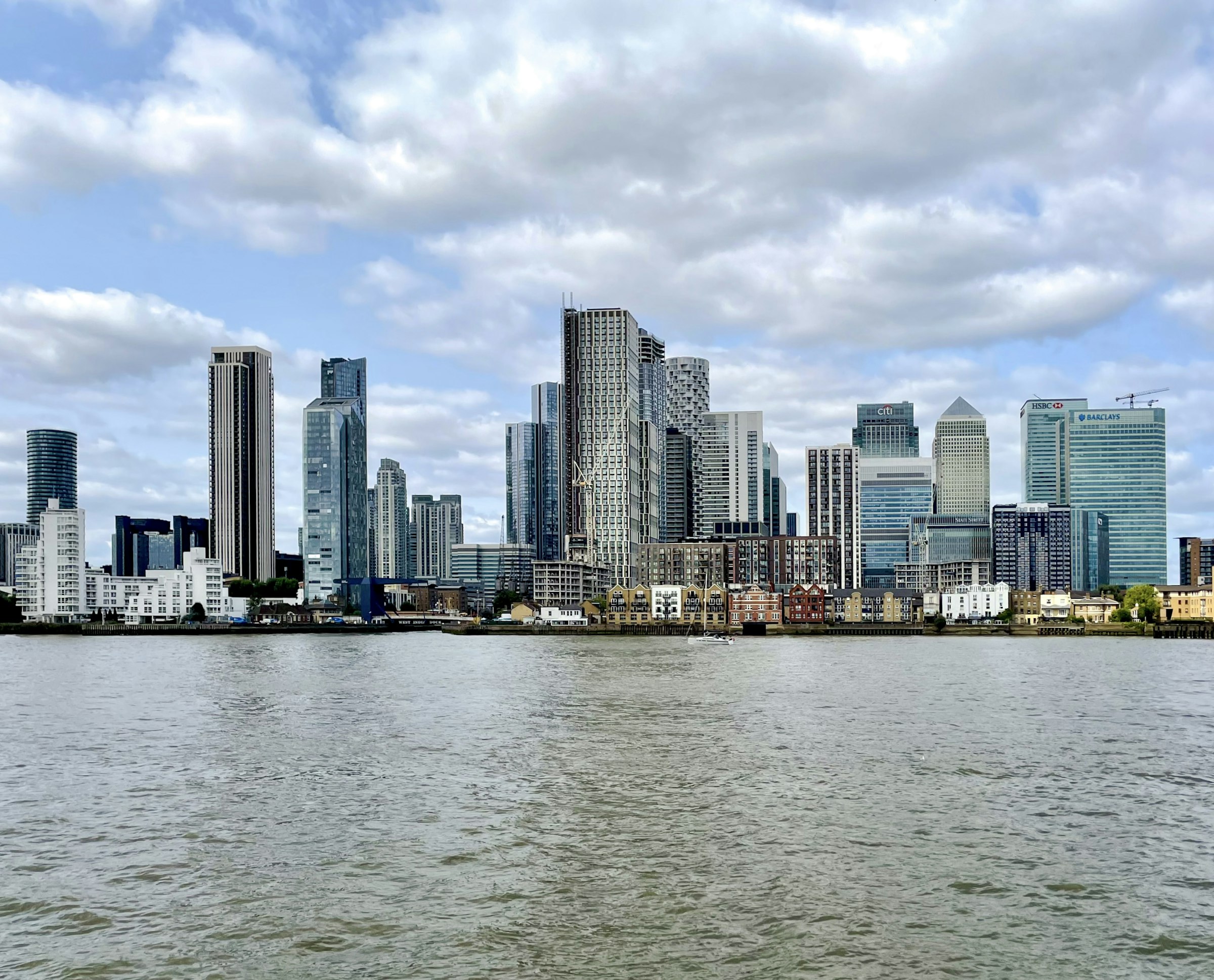
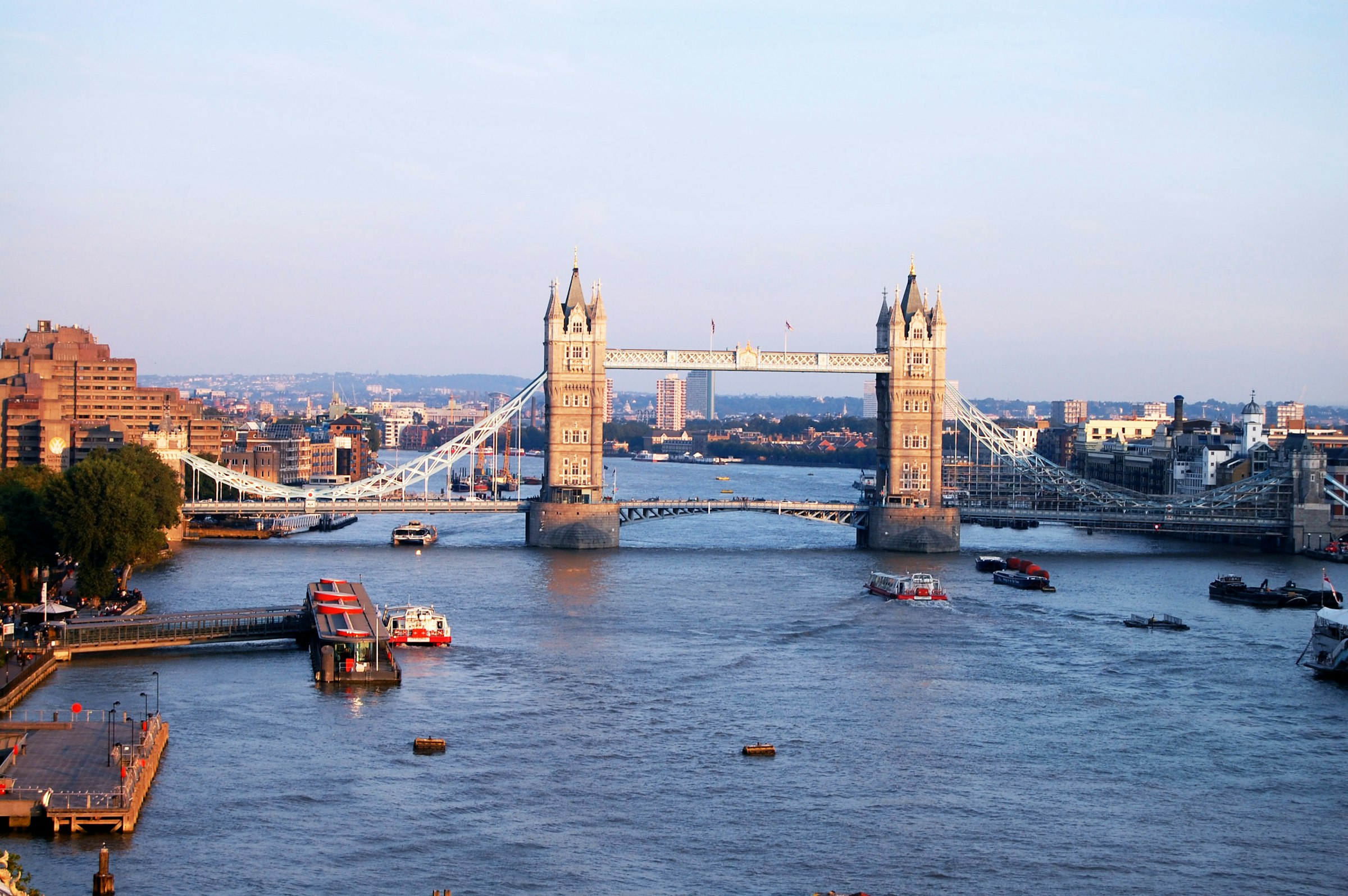
The fastest marathon ever run, on a course over Tower Bridge just before halfway.
Marathon Course · every marathon course, measured the same way
London Marathon
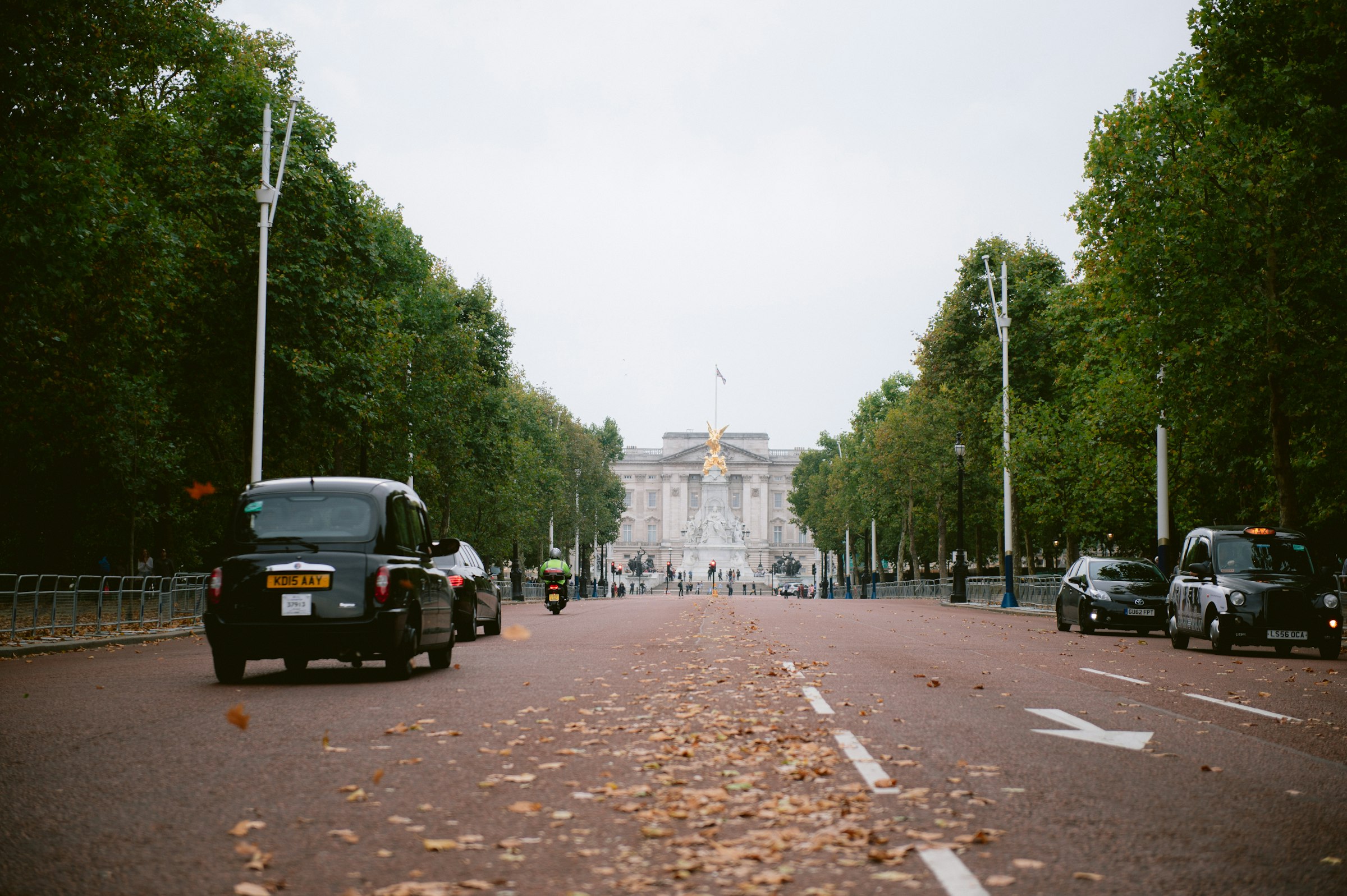
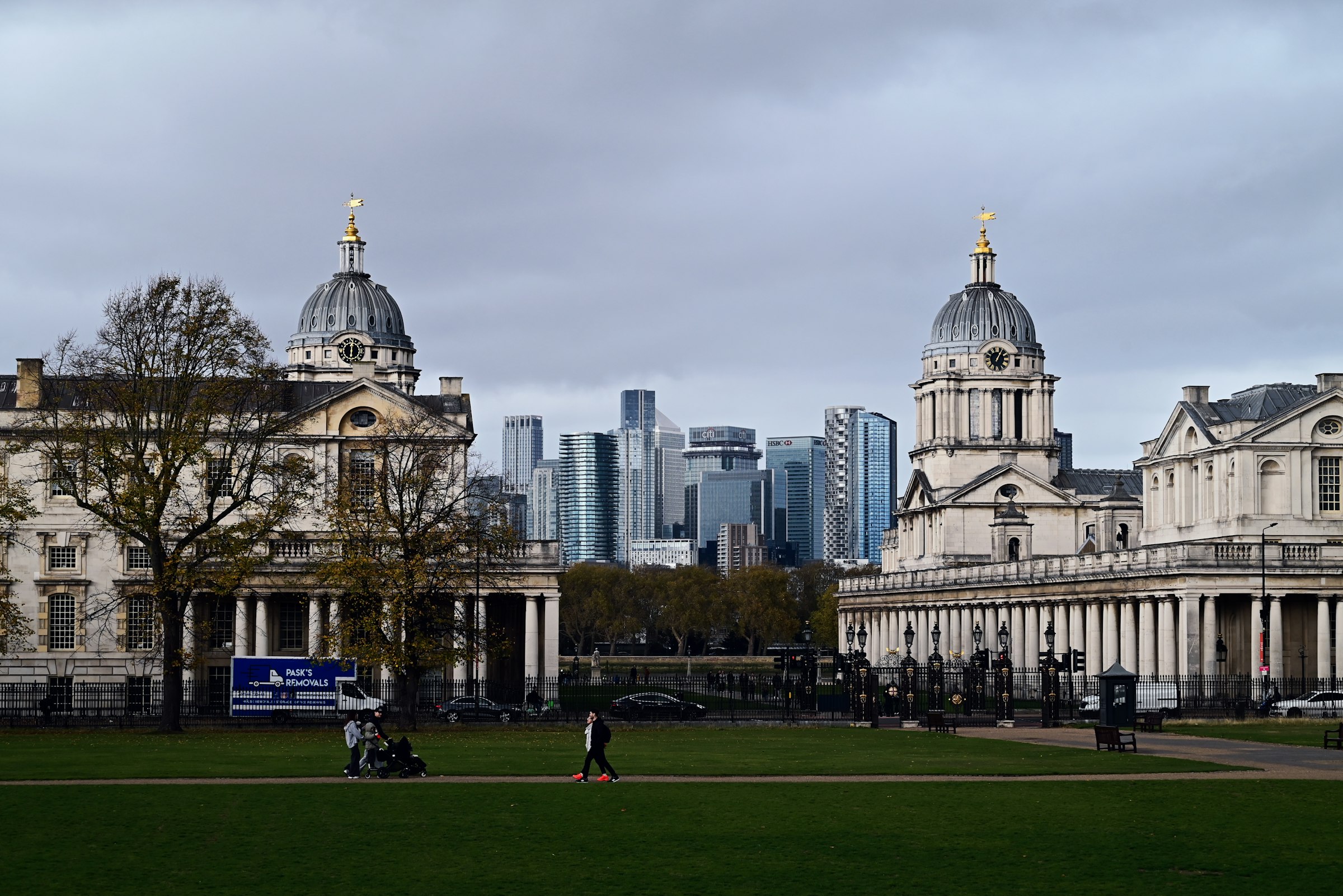
The fastest marathon ever run, on a course over Tower Bridge just before halfway. Blackheath, Greenwich → The Mall, Westminster, London, United Kingdom.
Elevation · a third-party line for the 2025 edition, the course both 2027 days use · Sonny 1" .hgt tiles — CC BY 4.0 · smoothed 100 m 1–52 m
—
0.08.416.825.233.642.0
kmmi — elev — grade — hover or drag the profile
The start on Blackheath is 40 m, and the course tops out at 52 m at 2.4 km. Then it drops 32 m in the kilometre from 4.1 km, down through Charlton towards the river. That's the steepest kilometre of the race by a wide margin, and the only cliff on a long flat plain.
From 5.0 km onwards there's almost nothing. The lowest ground is 1 m at 17.5 km. The steepest climbing kilometre of the race gains just 8 m, from 19.3 km, away from the river after Tower Bridge. The Isle of Dogs and Canary Wharf loop in the twenties rises and falls by a few metres.
The Embankment and the run to The Mall are flat. Add up the energy cost of every gradient and, for a three-hour runner, the course comes out about 30 seconds quicker than a flat 42.195 km (0.26 %).
Take it with you
Course GPX Organiser's course map
The GPX is ours: our resampled line, a point every 25 m, carrying Sonny 1" .hgt tiles — CC BY 4.0 elevation rather than the GPS noise a watch file usually holds.
Sonny 1" .hgt tiles — CC BY 4.0, a third-party line for the 2025 edition, the course both 2027 days use, smoothed 100 m · marathoncourse.com/marathons/london/ · checked 2026-09-23
1990200020102020
Pace is derived from the certified distance. Terrain-adjusted figures come from the same model that ranks every course on this site.
Men’s course record
1:59:30
Sabastian Sawe · 2026
Women’s course record
2:15:25
Paula Radcliffe · 2003
2027 runs over two days and the organiser hasn't published start times yet.
Race-day mean temperature, 1995-2025. Lime marks the hottest edition; the coldest and wettest carry a label only, so the colour still means one thing.
After the first 5.0 km, almost entirely. The race starts high on Blackheath at 40 m and tops out at 52 m at 2.4 km. Then it drops 32 m in the kilometre from 4.1 km. From 10.0 km to the finish no 5 km split moves by more than 7 m, and the steepest climbing kilometre gains only 8 m. In all it climbs 146 m and descends 180 m.
Sonny's LiDAR DTM of Europe, sampled every 25 m, smoothed over 100 m. Raw-to-smoothed ratio 1.82, so treat the climb figure as carrying more model noise than the net.
No, though of the courses we've measured only Tokyo is closer to the line. World Athletics allows a record course to lose at most a metre per kilometre, which over a marathon is 42 m. London loses 34 m from Blackheath to The Mall, a margin of about 8 m, or roughly 19 % of the allowance. Tokyo loses 38 m and clears by 5 m. Berlin, by contrast, finishes higher than it starts.
This site's own measurement of the course line, tested against World Athletics Competition Rules Part III.
Long. The 2027 draw took a record 1,338,544 applications. The 2027 event doubles to about 100,000 runners across two days, but most of those places go to charity, Good For Age, Championship and club entries, not the ballot.
London Marathon Events ballot figures, 2026.
The race runs on two days for the first time, Saturday 24 and Sunday 25 April. The elite women, female para athletes, Championship and Good For Age women run on one day, and the men on the other. Both days use the same Greenwich-to-Westminster course, and about 100,000 people will run in total. Start times, course closing times and which mass runners run on which day haven't been published.
London Marathon Events announcement, 2026.
The men's is Sabastian Sawe's 1:59:30 from 2026, which is also the world record and the first marathon under two hours in open competition. The women's is Paula Radcliffe's 2:15:25 from 2003, a world record for sixteen years and the course record for twenty-three. Tigst Assefa ran 2:15:41 here in 2026, a women's-only world record, and still sixteen seconds slower.
Race results and course record listings, checked September 2026.
More than 59,830 took a marathon place in 2026. The ballot drew more than 1,338,544 applications.
Organiser figures for the 2026 edition.
About 13.6 °C during a typical race: that's the median across 28 years, which have run from 7.5 °C to 20.2 °C. 7 of the 28 were wet.
ERA5 reanalysis for the race date, 1995-2025.
London's net drop is 34 m, against the 1,500 ft at which the B.A.A. starts adding five minutes. It qualifies with a lot of room to spare. Two different rules apply here. The B.A.A.'s downhill adjustment covers qualifying times and starts at 1,500 ft; World Athletics' limit covers records and starts at 42 m. London is well inside the first and only just inside the second.
Net drop −34 m from this site's course line; 2027 adjustment None. Certification platinum label: World Athletics Platinum Label; record-eligible, and second only to Tokyo for how little room it leaves on the net-drop rule.
It comes from Sonny 1" .hgt tiles — CC BY 4.0, sampled every 25 m along the course line and smoothed over 100 m. The raw-to-smoothed ratio here is 1.82. Around 1.3 means the model is reading the ground, not rooftops; above about 2.0 the total climb carries real noise, and the net change is the sturdier number.
0 missing samples · 1 bridge spans corrected.
| Fact | Source | Verified |
|---|---|---|
| Course line | Third-party GPX published for the 2025 edition, validated against the certified 42.195 km (measured 42.291 km, 0.23 % long, from 909 points). Archived with its hash in data/raw/sources. The organiser's 2027 announcement says both days use the same Greenwich-to-Westminster course. | 2026-09-20 |
| Elevation | Sonny's LiDAR DTM of Europe (CC BY 4.0), sampled every 25 m, smoothed over 100 m. Raw-to-smoothed gain ratio 1.82 — higher than Berlin's 1.56, so the climb figure here carries more model noise than the net figure. One bridge span corrected. | 2026-09-20 |
| Race-day weather | ERA5 reanalysis via the Open-Meteo archive, 1995–2025 at the Blackheath start, 09:00–17:00 local, sampled on the Sunday nearest 24 April — a rule that reproduces the actual race date in five of the six most recent editions. 2020, 2021 and 2022 are excluded: those races were run in October or not at all. | 2026-09-23 |
| Course records | Sawe 1:59:30 (2026), the men's world record and the first sub-two-hour marathon in open competition. Radcliffe 2:15:25 (2003) remains the women's course record; Tigst Assefa's 2:15:41 in 2026 was a women's-only world record but slower than Radcliffe's mixed-race mark. | 2026-09-23 |
| Field and the 2027 expansion | 59,830 finishers in 2026, a Guinness record for the largest marathon, taking the title from New York's 59,226 of 2025. The 2027 event runs over two days, 24–25 April, for about 100,000 runners; the organiser has said which fields run on which day comes at the end of September 2026. | 2026-09-23 |
| Ballot and entry fees | A record 1,338,544 applications to the 2027 ballot, open 24 April to 1 May 2026, results early July. £79.99 for UK residents, £275 international including a carbon offset charge, £49.99 if you take the double-chance option and are drawn. | 2026-09-23 |
| Record eligibility | World Athletics Competition Rules, Book C, Part III — Competition Rule 31.21: a record course may lose no more than 1 m per kilometre, and its start and finish may be no more than 21.098 km apart. London loses 34.2 m and separates by 10.91 km. Inside both; the net-drop margin of 8.0 m is the second narrowest here, behind Tokyo's 4.7 m. | 2026-09-23 |
Until the London Marathon · 24 Apr 2027
— days
— hrs— min— sec
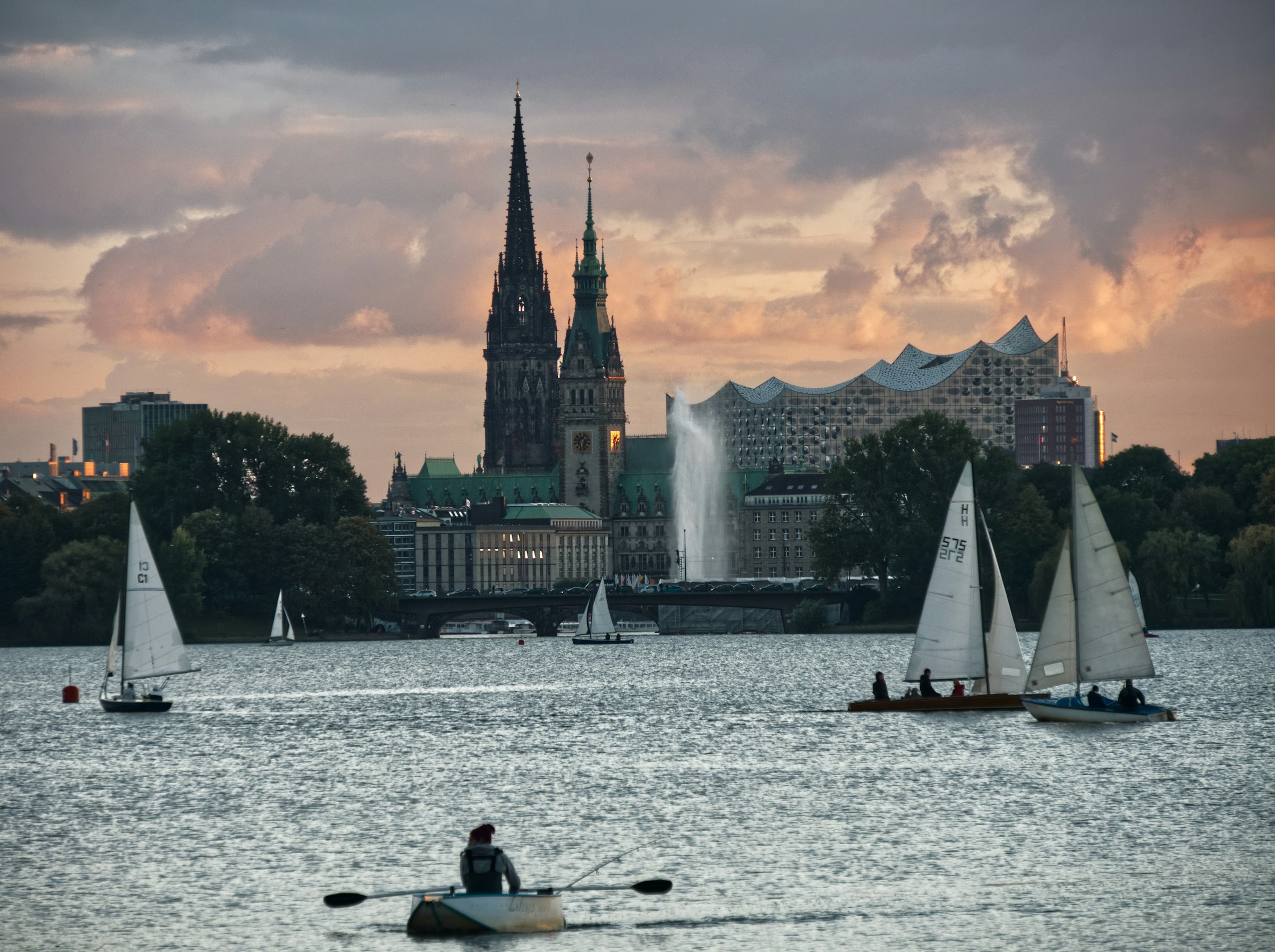
Hamburg, Germany · 25 Apr 2027
Down the Reeperbahn to the harbour, then round the Alster and north to Ohlsdorf before the long run home to the Messe.
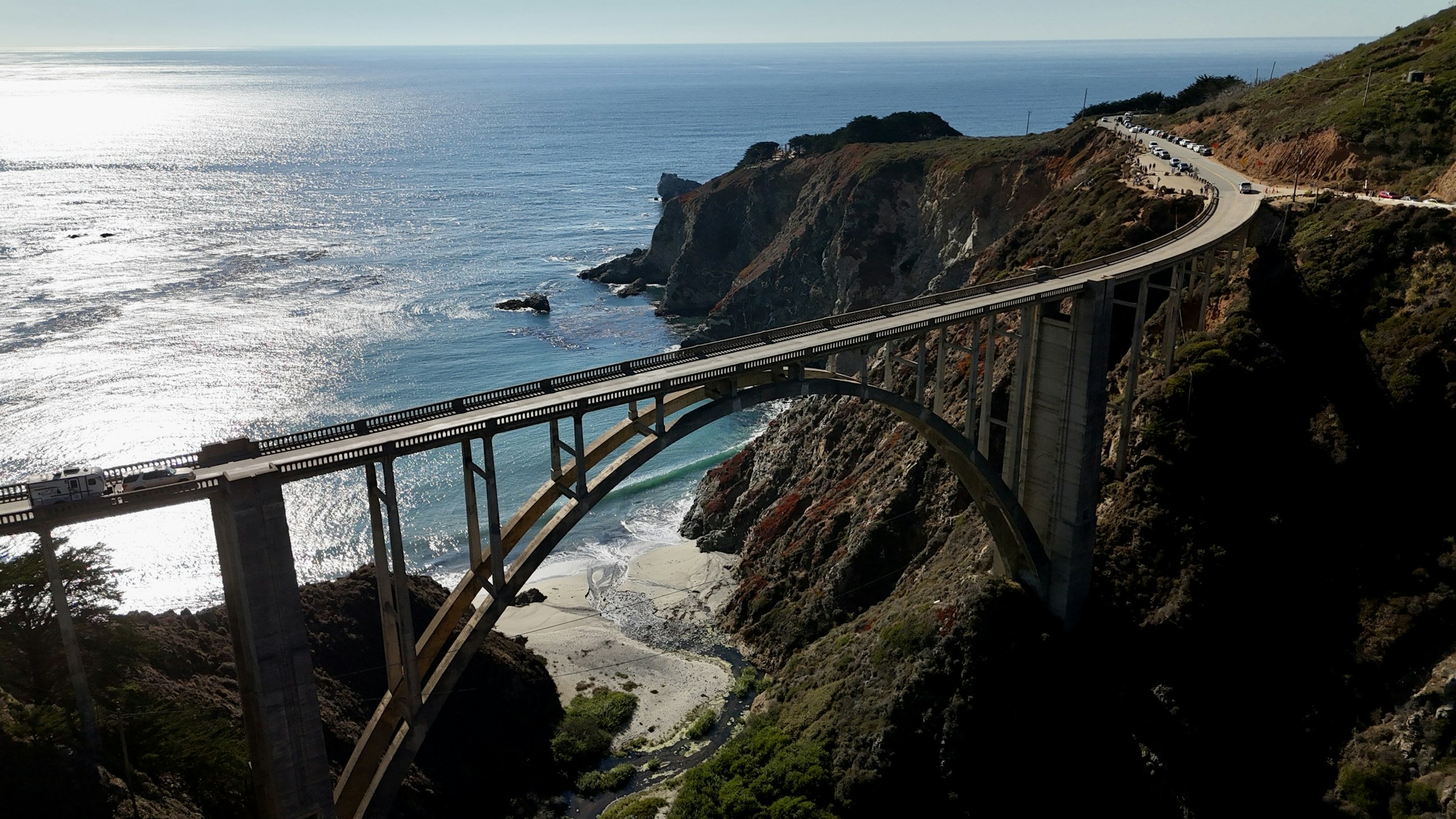
Big Sur, USA · 25 Apr 2027
Twenty-six miles of Highway 1 with the Pacific on one side and no way out on the other.

Prague, Czech Republic · 2 May 2027
Across the Charles Bridge in the first three kilometres, along both banks of the Vltava, and through Old Town Square three times.