Men’s course record
2:06:35
Markos Geneti · 2011
- Average pace
- 3:00 / km
- Terrain-adjusted
- −0.28 %
Europe15
Americas9
Oceania4
Asia3
Africa1
Elsewhere1
Europe4
Oceania3
Americas2
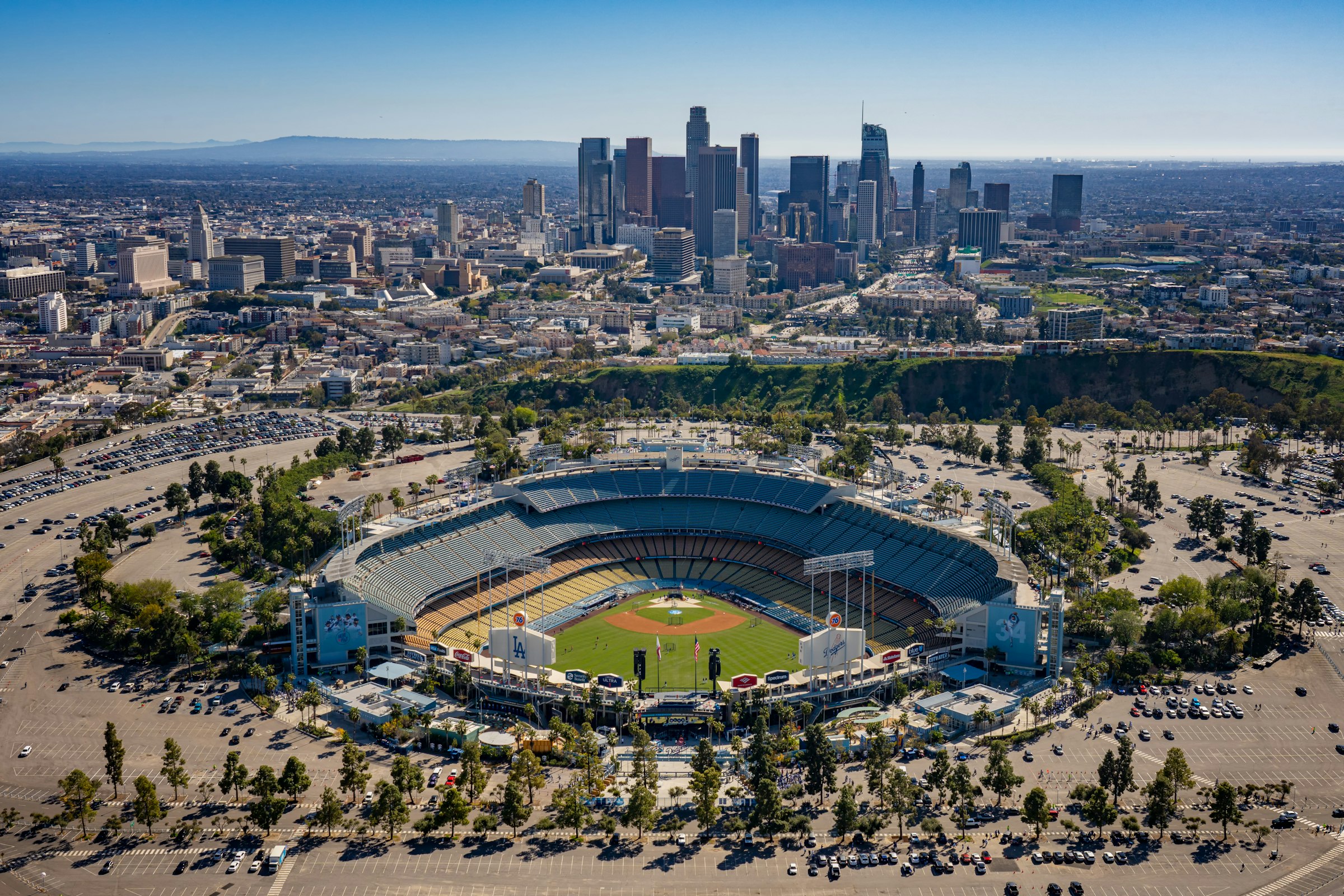
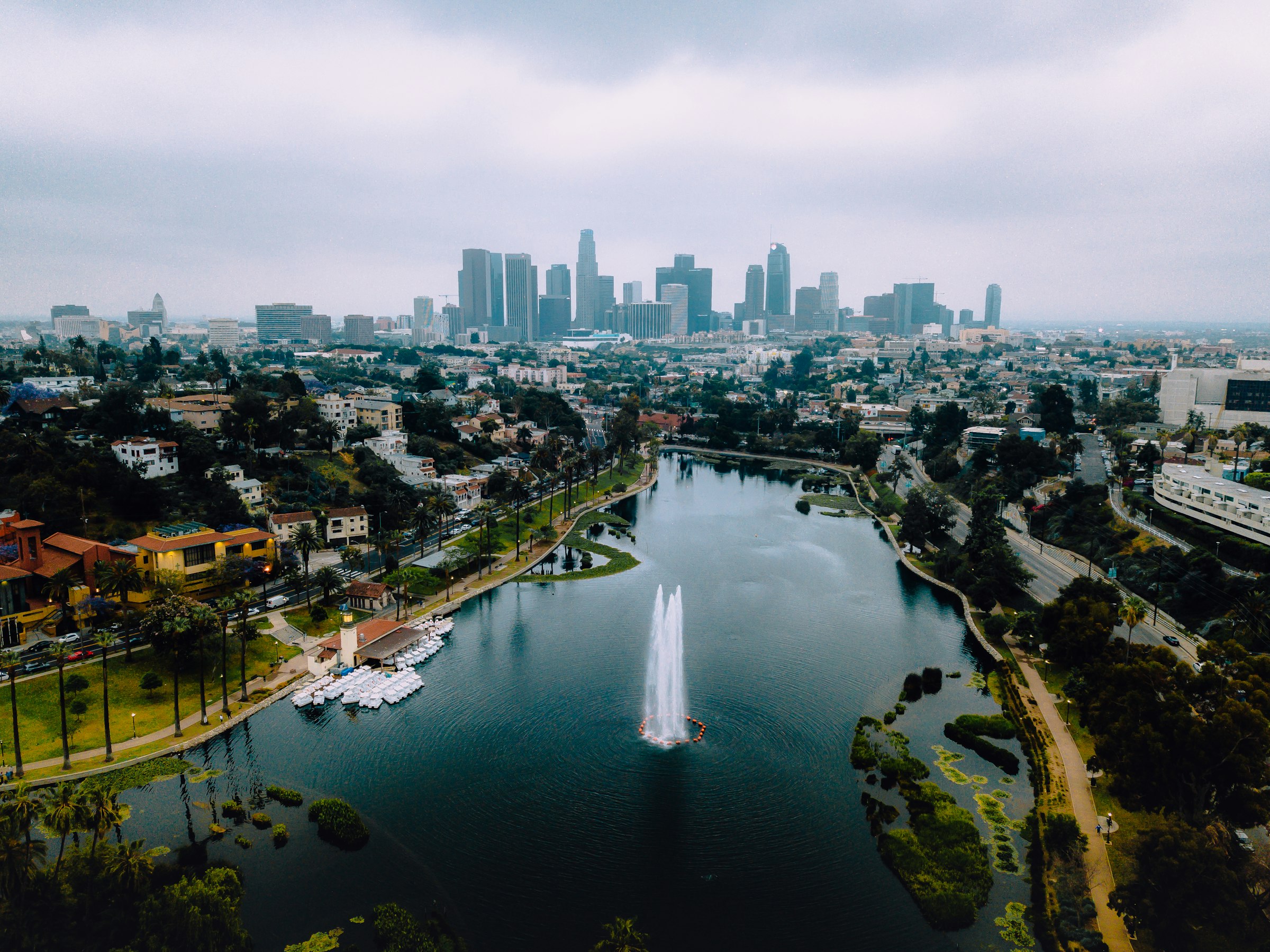
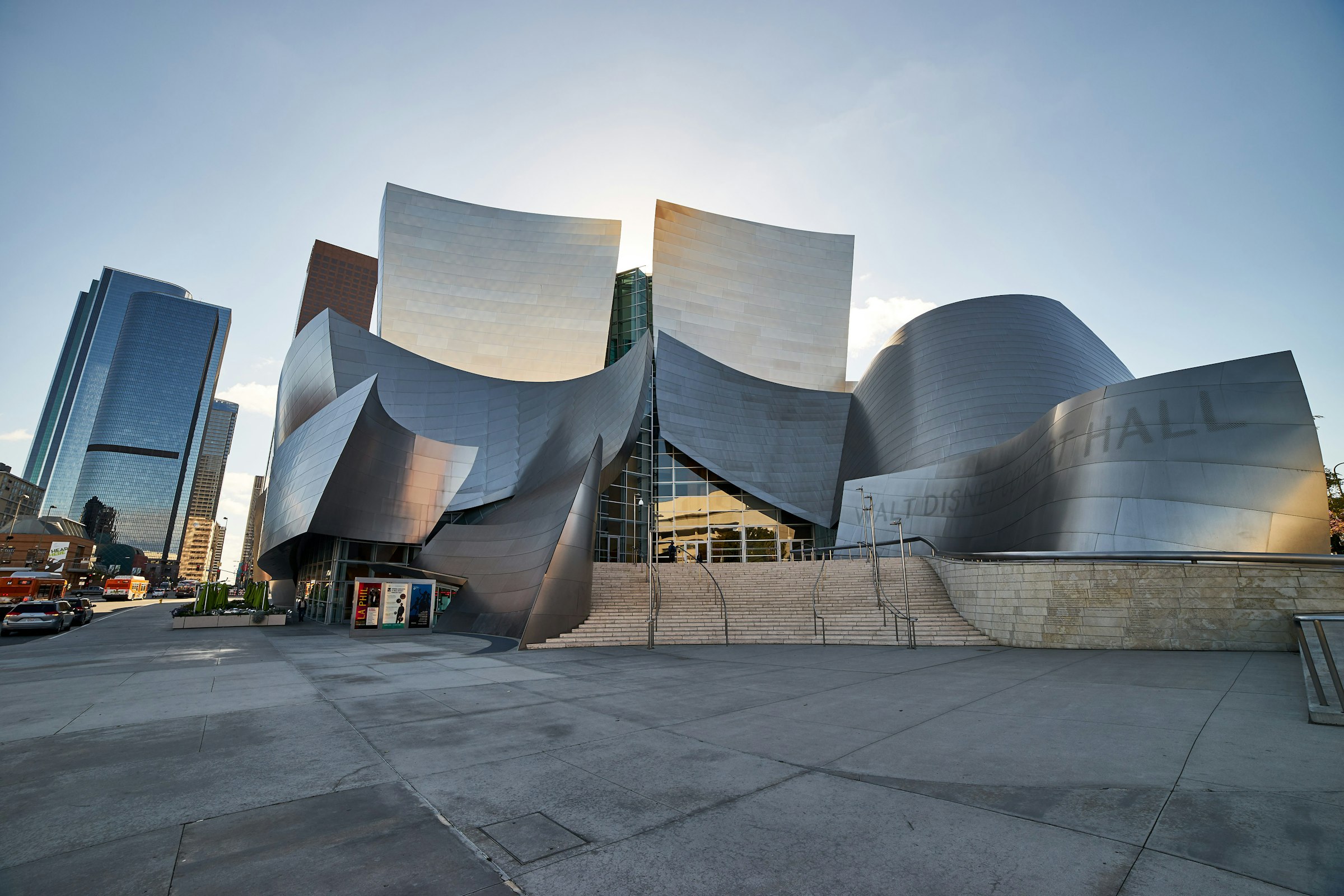
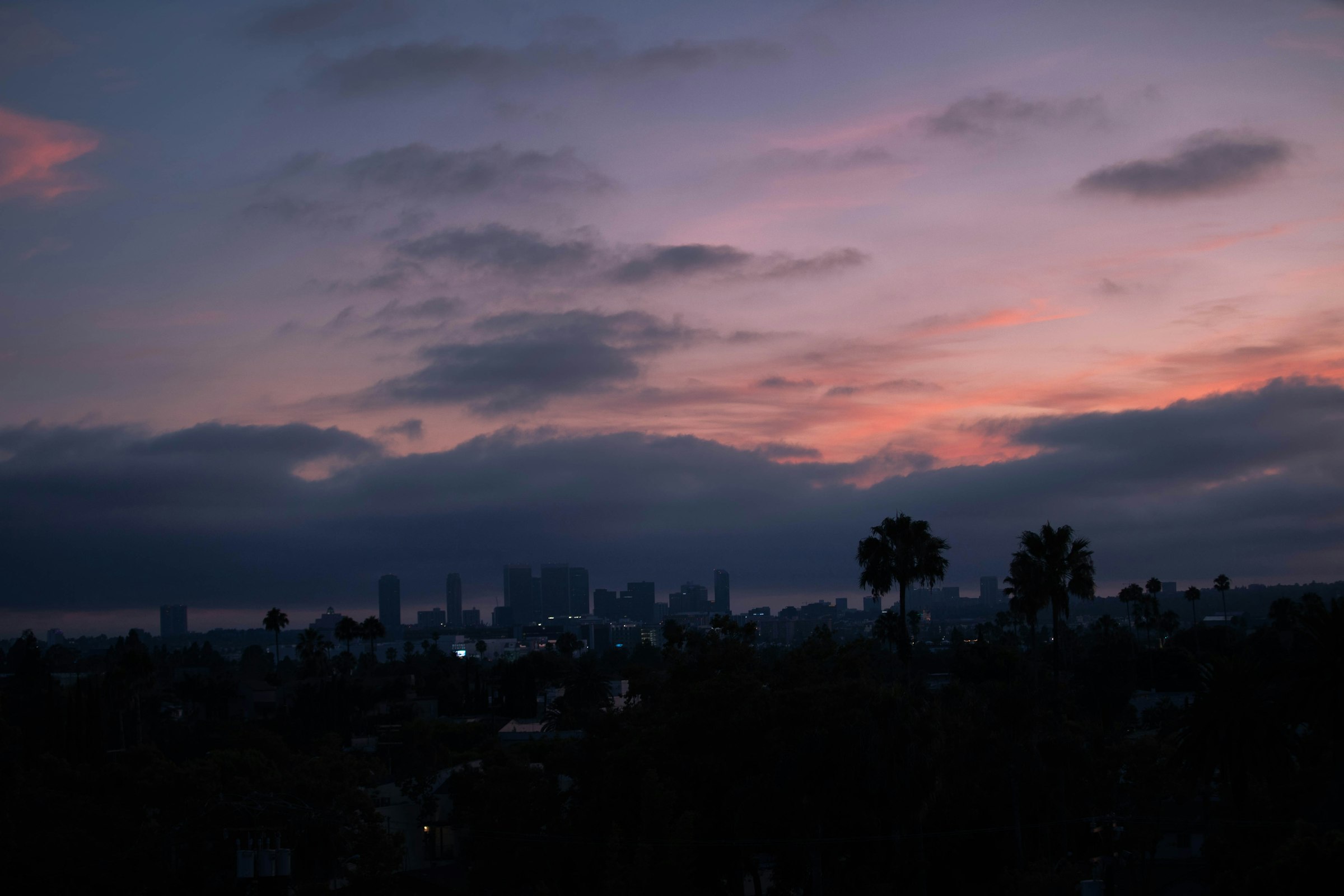
Los Angeles, USA A Sunday in March, set by the organiser Founded 1986
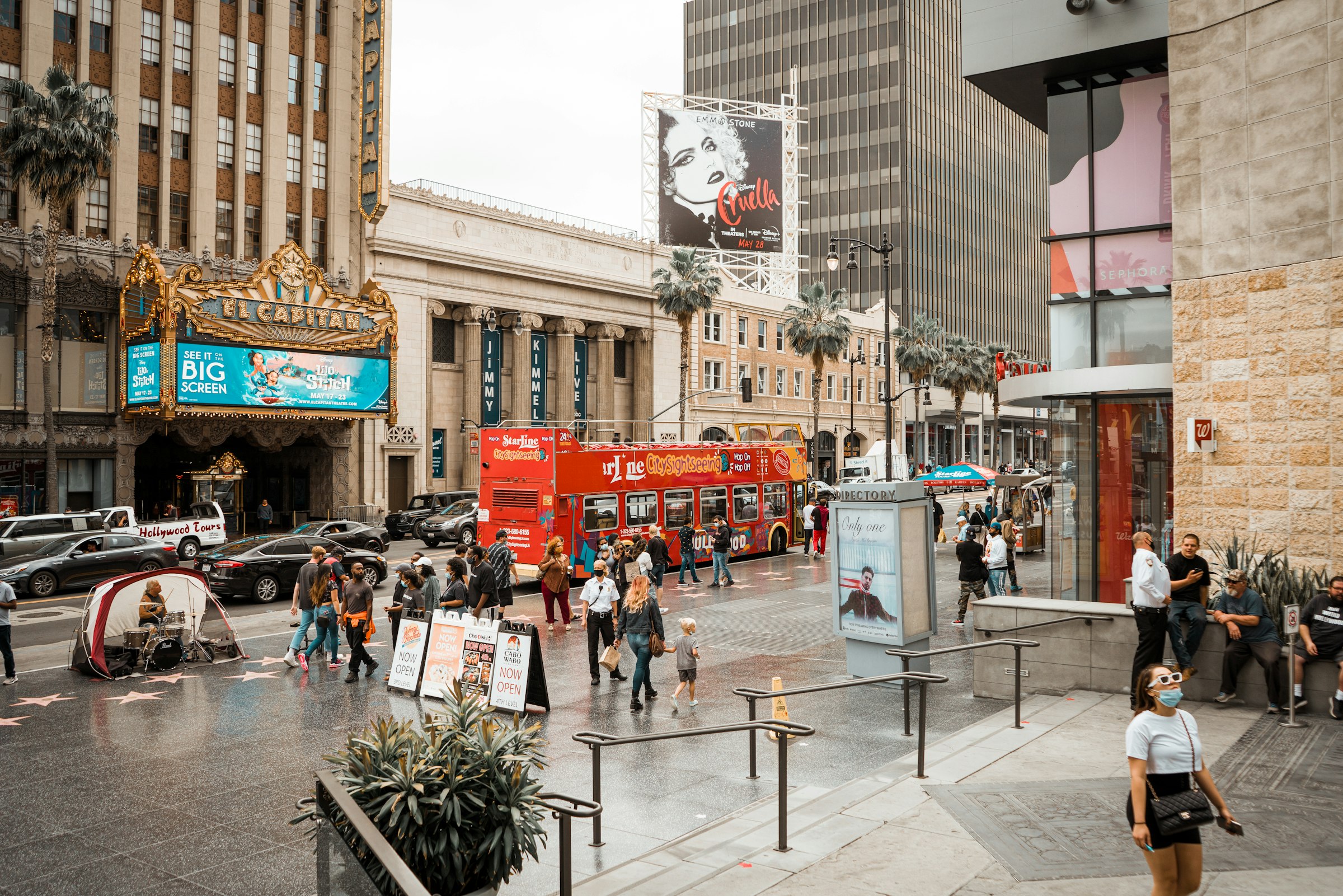
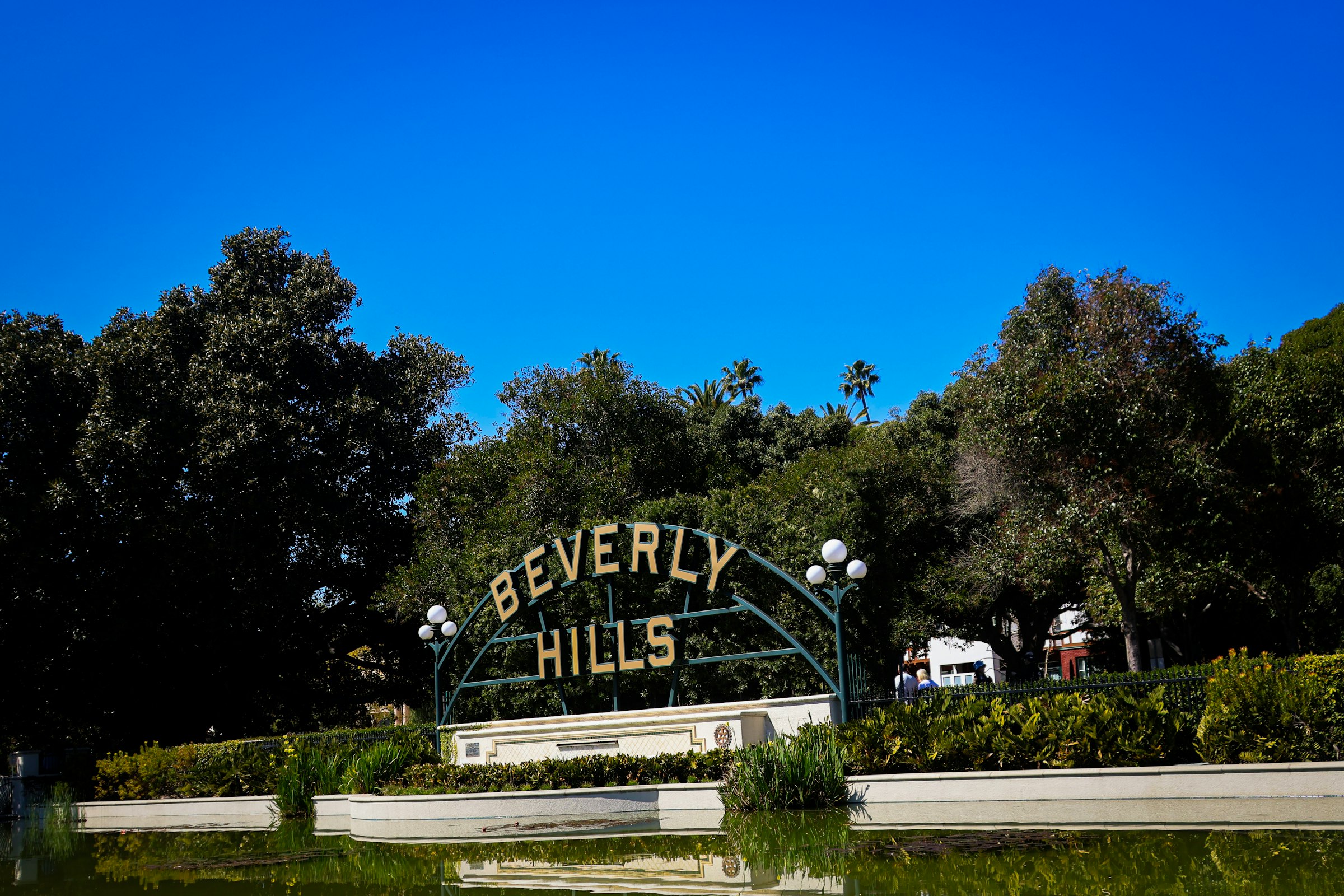
Point to point from Dodger Stadium, along Hollywood Boulevard and the Sunset Strip and through Beverly Hills, to a finish in Century City.
Marathon Course · every marathon course, measured the same way
Los Angeles Marathon
Point to point from Dodger Stadium, along Hollywood Boulevard and the Sunset Strip and through Beverly Hills, to a finish in Century City. Dodger Stadium → Century City, Los Angeles, California, USA.
Elevation · measured on a 2026 course file · USGS NED 10 m · smoothed 100 m 62–153 m
—
0.08.416.825.133.541.9
kmmi — elev — grade — hover or drag the profile
The start is the highest point, 153 m at Dodger Stadium, and the first 3.2 km lose 61 m of it. The steepest climbing kilometre is Temple Street, west out of downtown towards Echo Park, 35 m. From there the course rolls along Sunset and Hollywood Boulevards, until the steepest descending kilometre drops 44 m off the Sunset Strip, down San Vicente Boulevard. The lowest point comes soon after, on Doheny Drive, 62 m at about 25.2 km.
The out-and-back to Brentwood climbs again, and the last three kilometres, along Santa Monica Boulevard, rise gently to the finish. Add up the energy cost of every gradient and, for a three-hour runner, the course comes out about 30 seconds quicker than a flat 42.195 km (0.28 %).
Take it with you
Course GPX Organiser's course map
The GPX is ours: our resampled line, a point every 25 m, carrying USGS NED 10 m elevation rather than the GPS noise a watch file usually holds.
USGS NED 10 m, measured on a 2026 course file, smoothed 100 m · marathoncourse.com/marathons/losangeles/ · checked 2026-10-29
1990200020102020
Pace is derived from the certified distance. Terrain-adjusted figures come from the same model that ranks every course on this site.
Men’s course record
2:06:35
Markos Geneti · 2011
Women’s course record
2:24:11
Askale Merachi · 2019
The morning, hour by hour
The organiser's 2027 start times and 2026 race-day information. Times are Pacific Standard Time. You have six and a half hours from the last runner crossing the start. The organiser publishes no intermediate cut-offs. At 15 minutes a mile you finish with the streets still closed; slower runners move to the pavement as the roads reopen behind the field, and drop-out vans run from mile 7 to mile 23.
Race-day mean temperature, 1995-2025. Lime marks the hottest edition; the coldest and wettest carry a label only, so the colour still means one thing.
Overall, yes: the finish is 68 m below the start. But it climbs 296 m on the way, and of the 30 courses compared here only Big Sur, Austin and Queenstown climb more. The steepest climbing kilometre comes early, up Temple Street.
USGS 10 m elevation model, sampled every 25 m, smoothed over 100 m.
No. The finish is more than a metre a kilometre below the start, more than World Athletics allows for a record.
Measured net drop; World Athletics road-course rules.
When it sells out. In 2026 that was more than two months before race day.
Organiser, 2026.
No. There are no refunds, transfers or deferrals for any reason, including if the race is cancelled.
Organiser registration page.
Six and a half hours after the last runner crosses the start line. Slower runners move to the pavement as the course reopens behind the field.
Organiser final information, 2026.
On the free shuttle you book when you register, from Century City, Union Station or the official downtown hotels. There's no shuttle back to Dodger Stadium afterwards.
Organiser final information, 2026.
At Dodger Stadium, on the Friday and Saturday before the race, with free parking. Bibs aren't posted, and there's no general pickup on race morning.
Organiser FAQ, 2027.
Not in 2027. US daylight time starts a week after the race, on 14 March, so the 7:00am start is Pacific Standard Time. In 2026 the clocks went forward on race morning.
Organiser 2026 final information; US daylight-time dates.
Sometimes. In 2015 it reached about 31 °C, and in 2026 the forecast was hot enough that runners were offered a medal for stopping at mile 18. On the first Sunday in March the median during race hours is 12.9 °C.
ERA5 climatology, 7:00 to 13:00, 1995 to 2025; organiser media guide; news reports, 2026.
There's a Charity Half of about 13.7 miles, starting at 8:15am, for runners raising money for the race's partner charities. The organiser says it isn't an official half marathon.
Organiser FAQ, 2027.
About 21,900 finished in 2026. The race sold out more than two months early, with more than 26,000 registered.
Organiser figures for the 2026 edition.
About 12.9 °C during a typical race: that's the median across 31 years, which have run from 7.9 °C to 19.2 °C. 5 of the 31 were wet.
ERA5 reanalysis for the race date, 1995-2025.
Yes. The course is certified by USATF, as the B.A.A. requires. The finish is 68 m below the start, far short of the drop at which the B.A.A. adds time.
Net drop −68 m from this site's course line; 2027 adjustment None. Certification certified: Certified by USATF, so a Boston qualifier. Not eligible for records: it drops more than a metre a kilometre.
It comes from USGS NED 10 m, sampled every 25 m along the course line and smoothed over 100 m. The raw-to-smoothed ratio here is 1.14. Around 1.3 means the model is reading the ground, not rooftops; above about 2.0 the total climb carries real noise, and the net change is the sturdier number.
0 missing samples · 4 bridge spans corrected.
| Fact | Source | Verified |
|---|---|---|
| Course line | A third-party GPX of the 2026 race, one point about every 50 m; its streets and its turn at Bundy match the organiser's 2026 course map, and it measures 42.10 km, 0.2 % short | 2026-10-29 |
| Elevation | USGS NED 10 m via OpenTopoData; four short bridge spans interpolated between their ends | 2026-10-29 |
| Race-day weather | ERA5 via Open-Meteo archive, 7:00 to 13:00 on the first Sunday in March, 1995 to 2025; the race date has moved, so this is the weather for the date, not for each edition | 2026-10-29 |
| Course records | Organiser media guide, 2025 | 2026-10-29 |
| Field size | About 21,900 finishers in 2026, from MarathonGuide and the official results; 26,000+ registered, from the organiser | 2026-10-29 |
| Race date and start | Organiser FAQ and registration page, 2027 | 2026-10-29 |
| Race day | Organiser final information, 2026 | 2026-10-29 |
| Entry | Organiser registration site, 2027 prices | 2026-10-29 |
| Boston qualifying | Organiser FAQ and the B.A.A. qualifying rules | 2026-10-29 |
| History and timeline | Organiser media guides, 2024 and 2025, and race reports | 2026-10-29 |
| Steepest-kilometre place names | OpenStreetMap via Nominatim reverse geocoding (ODbL) | 2026-10-29 |
| Photography | Unsplash: Sean Pierce (Dodger Stadium), Gerson Repreza (Echo Park Lake), Tim Cheung (the Disney Concert Hall), Oxana Melis (Hollywood Boulevard), Roberto Nickson (Century City), Meg von Haartman (Beverly Hills) | 2026-10-29 |
Until the Los Angeles Marathon · 7 Mar 2027
— days
— hrs— min— sec
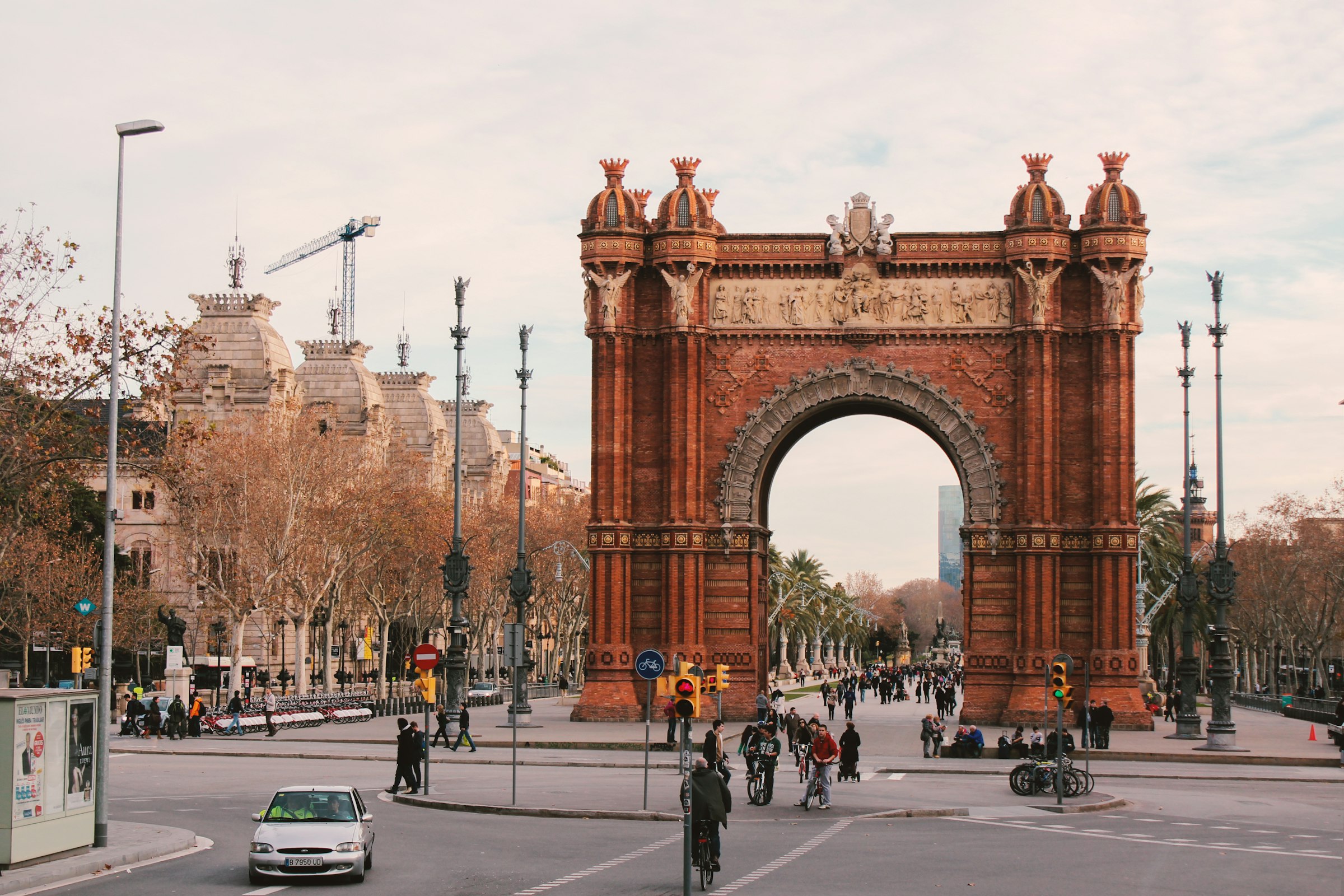
Barcelona, Spain · 14 Mar 2027
Through the Eixample past three Gaudí buildings, down to the harbour and along the sea, and back up to the Arc de Triomf.
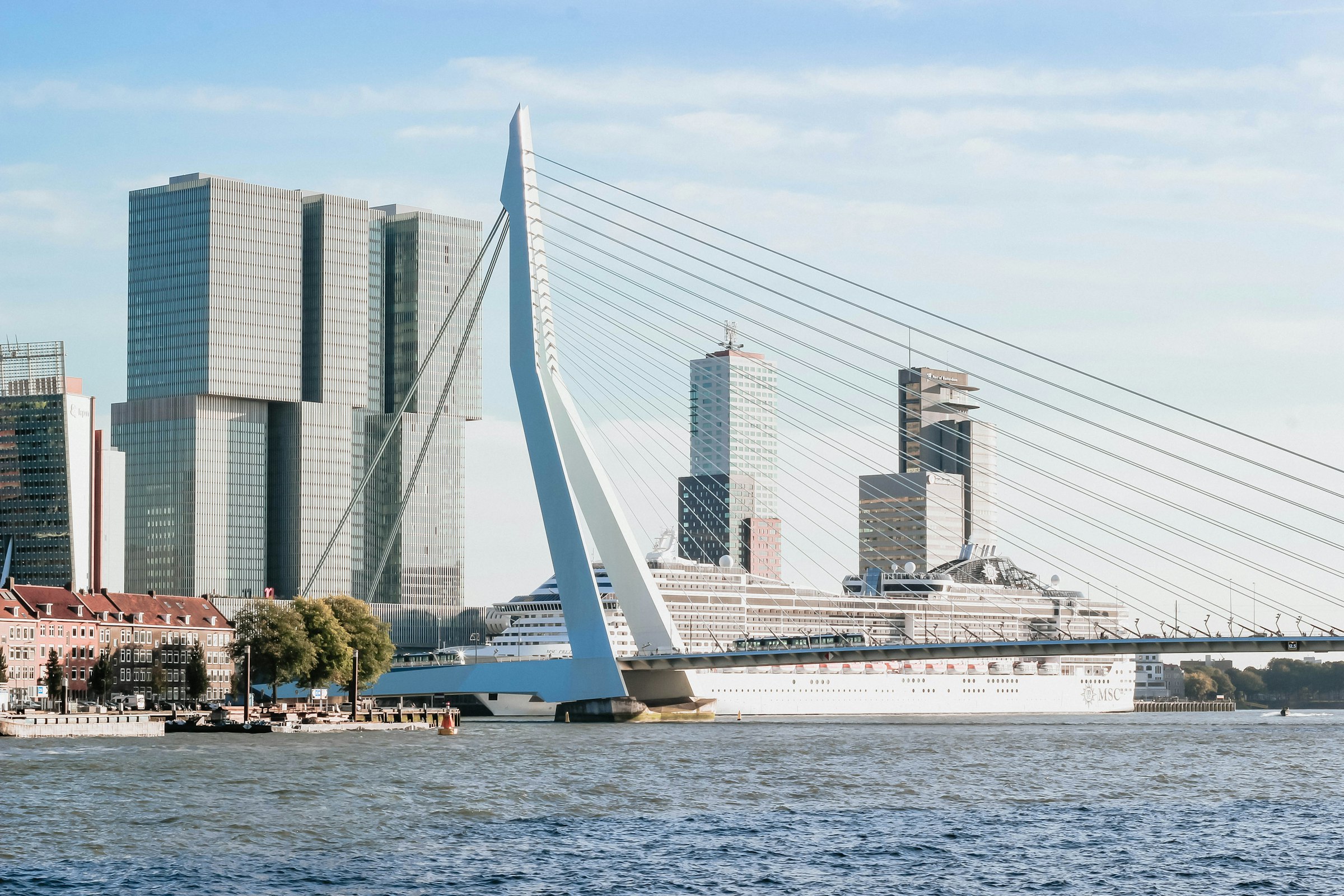
Rotterdam, Netherlands · 11 Apr 2027
Over the Erasmus Bridge to the south bank and back, out round the Kralingse Plas, and home up the Coolsingel.
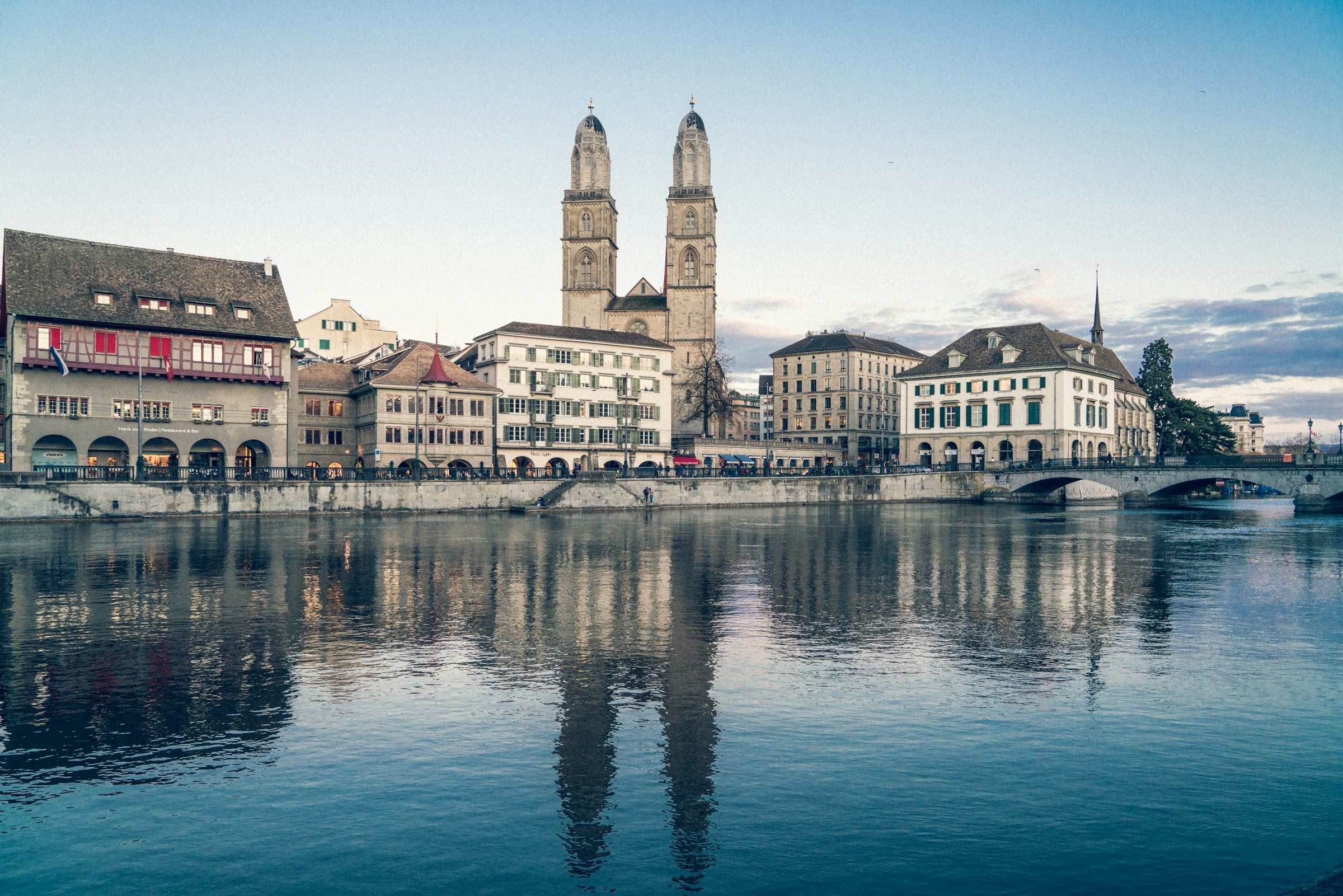
Zurich, Switzerland · 11 Apr 2027
From the Quaibrücke down the lake's eastern shore to Meilen and back, with a loop through the city at each end.