Men’s course record
2:08:23
Birhane Tsegay · 2022
- Average pace
- 3:03 / km
- Terrain-adjusted
- +0.07 %
Europe15
Americas6
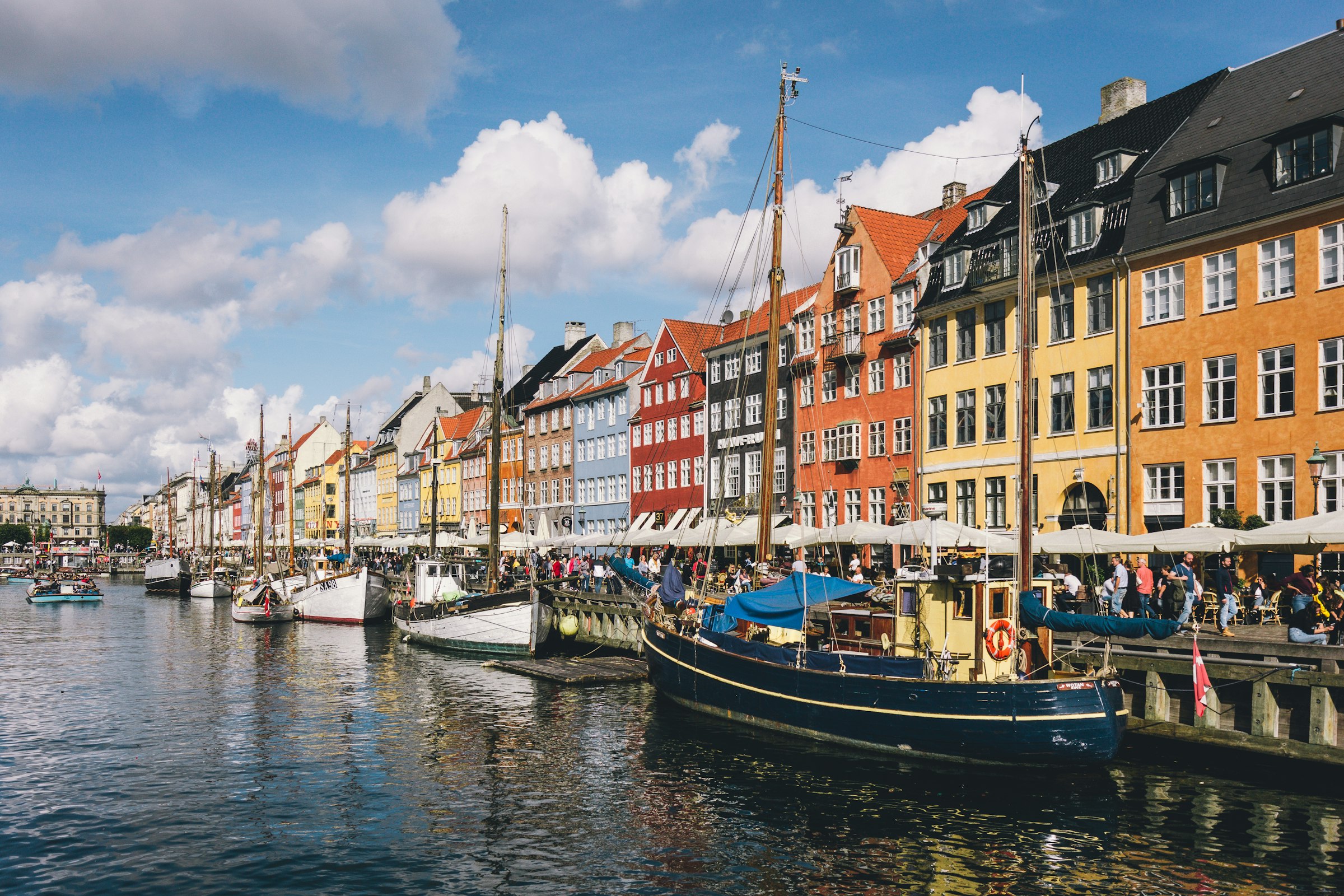
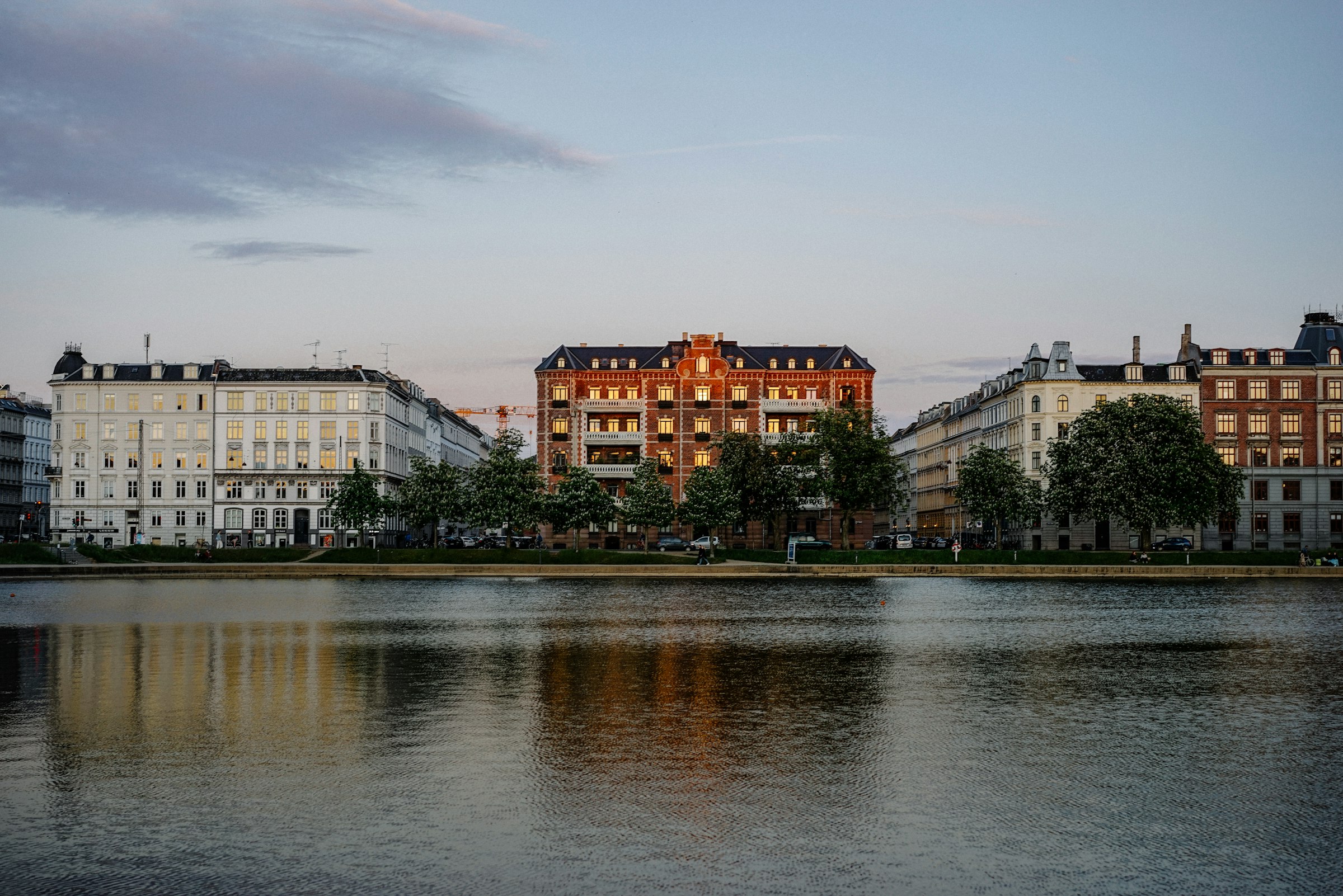
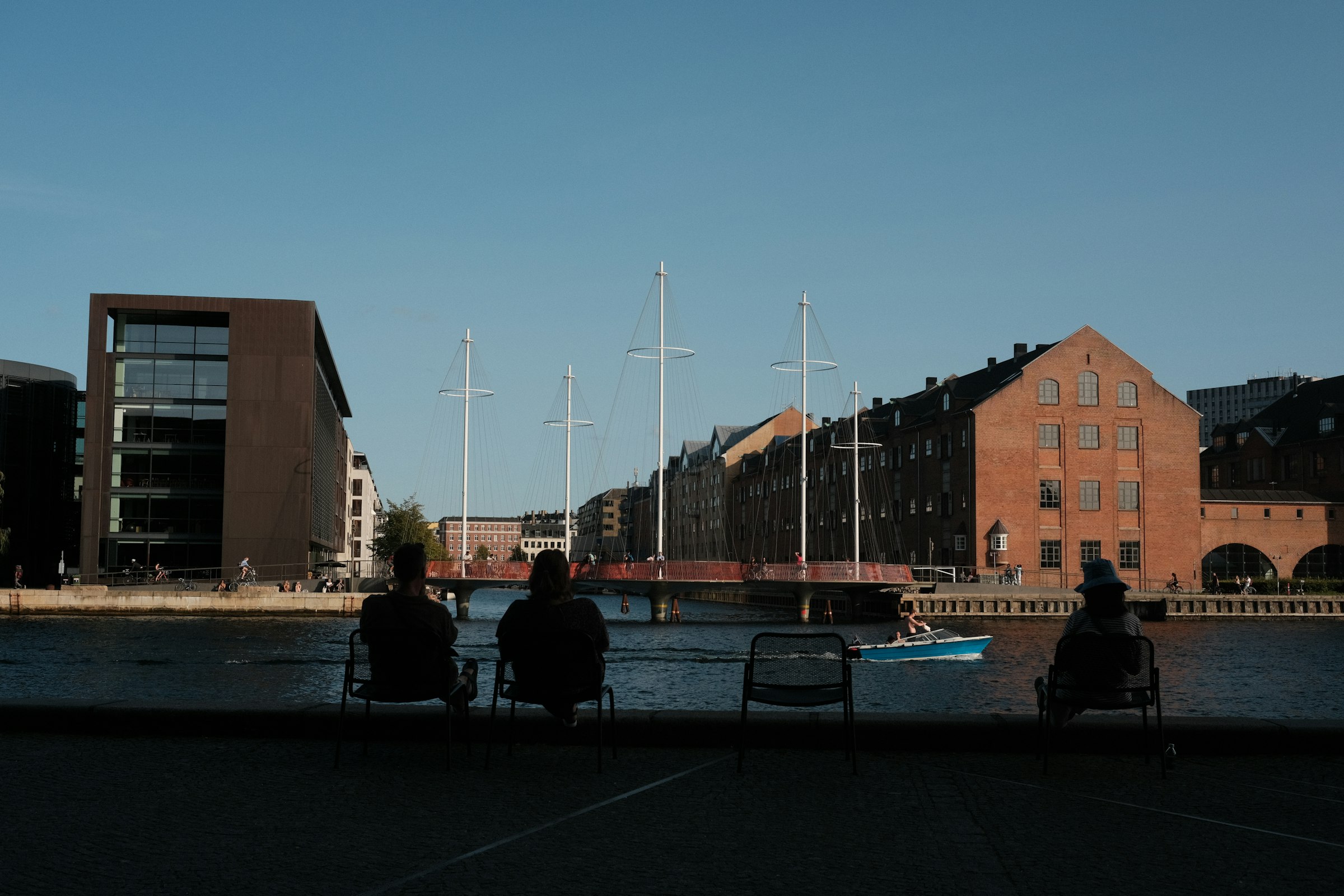
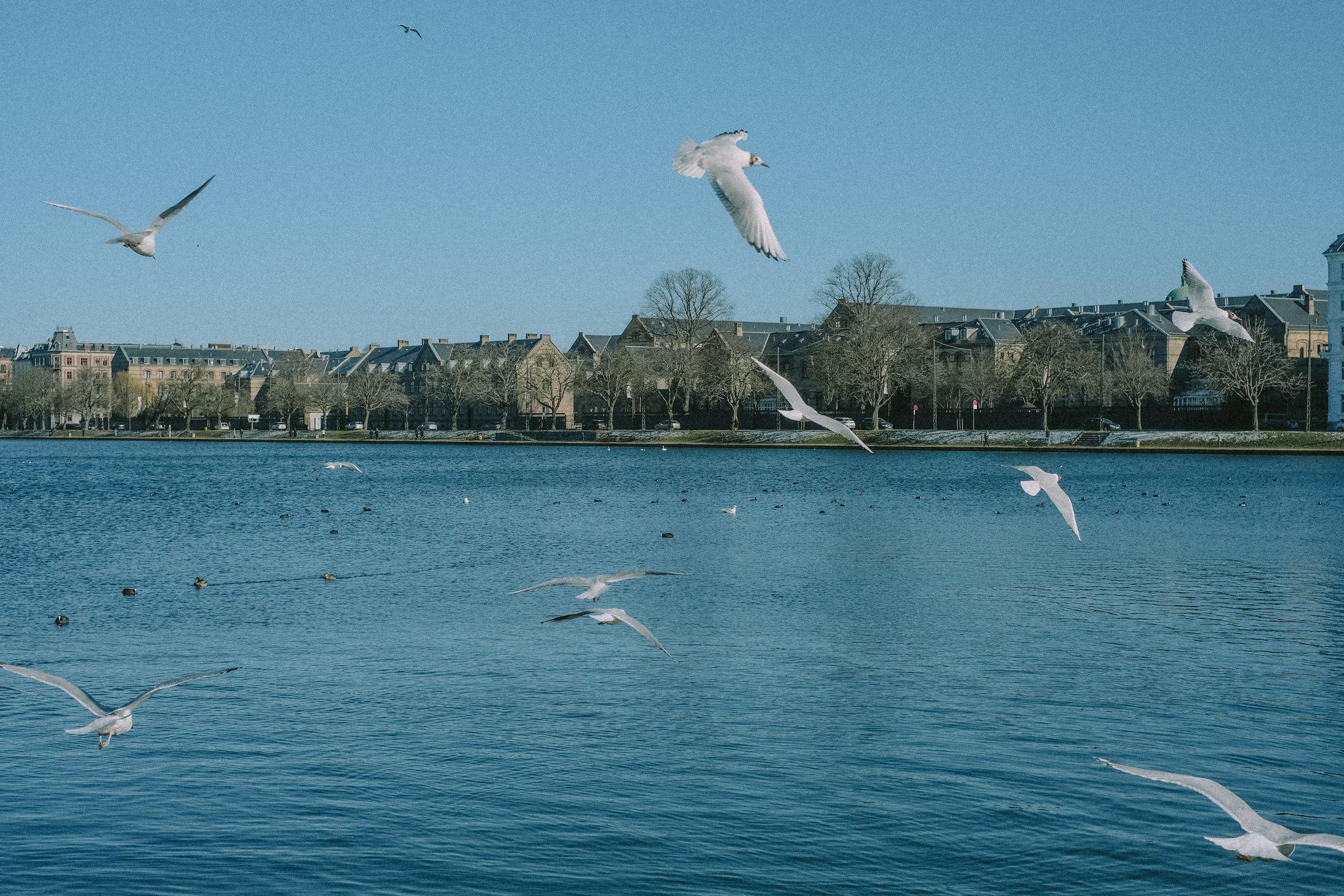
Copenhagen, Denmark The second Sunday in May Founded 1980
Over the harbour to Christianshavn and back, out through Nørrebro and Frederiksberg, and home by Kongens Nytorv and Nyboder to Øster Allé.
Marathon Course · every marathon course, measured the same way
Copenhagen Marathon
Over the harbour to Christianshavn and back, out through Nørrebro and Frederiksberg, and home by Kongens Nytorv and Nyboder to Øster Allé. Øster Allé → Øster Allé, Copenhagen, Denmark.
Elevation · measured on the organiser's course line for the 2025 edition, which it used again in 2026 · Sonny 1" .hgt tiles — CC BY 4.0 · smoothed 100 m 1–15 m
—
0.08.517.125.634.242.7
kmmi — elev — grade — hover or drag the profile
The whole course sits between 1 m and 15 m, and it climbs 98 m in all, most of it a few metres at a time. Østerbro, at the start, rises to 13 m at 2.4 km. By Strandboulevarden it's down to 3 m.
Christianshavn and Amager are barely above the harbour. Coming off Langebro the course climbs 7 m in a kilometre from 12.3 km, up Vester Voldgade past City Hall. That's the steepest climbing kilometre of the race. Nørrebro and Frederiksberg are the high ground, and the top is on Nordre Fasanvej, 15 m at 22.6 km. From 23.7 km Frederiksberg Allé drops 8 m in a kilometre, the steepest descent.
The low point, 1 m, is on Christians Brygge, under BLOX, at 32.1 km. The last rise is the run home. From Strandboulevarden at 40.5 km the road climbs 7 m to the finish. The organiser's map line, which these distances come from, runs long, and reaches the finish at 42.7 km. Add up the energy cost of every gradient and the course comes out about level with a flat 42.195 km.
Take it with you
Course GPX Organiser's course map
The GPX is ours: our resampled line, a point every 25 m, carrying Sonny 1" .hgt tiles — CC BY 4.0 elevation rather than the GPS noise a watch file usually holds.
Sonny 1" .hgt tiles — CC BY 4.0, measured on the organiser's course line for the 2025 edition, which it used again in 2026, smoothed 100 m · marathoncourse.com/marathons/copenhagen/ · checked 2026-09-25
19801990200020102020
Pace is derived from the certified distance. Terrain-adjusted figures come from the same model that ranks every course on this site.
Men’s course record
2:08:23
Birhane Tsegay · 2022
Women’s course record
2:22:08
Mercy Chebwogen · 2026
The morning, hour by hour
Cut-offs
The organiser's 2026 programme and start groups; 2027's aren't out yet. The race started at 9:30am in 2024, 2025 and 2026. Denmark is on summer time by May. Both limits are net, counted from when you cross the start line. Roads reopen behind the field, so a runner past the limit may be asked to finish on the pavement. The 2026 programme had the last runners in at 4:00pm.
Race-day mean temperature, 1995-2025. Lime marks the hottest edition; the coldest and wettest carry a label only, so the colour still means one thing.
Nearly. The whole course sits between 1 m and 15 m, and no kilometre climbs more than 7 m. It climbs 98 m in all, in short rises through Nørrebro and Frederiksberg and on the run home.
Sonny's LiDAR DTM of Europe, sampled every 25 m, smoothed over 100 m. Raw-to-smoothed ratio 1.73.
Only through a charity or a tour operator. The ballot closed on 3 June 2026, and there's no resale. Charity places go through the organiser's partner realbuzz, and its official tour operators sell travel packages with an entry.
The organiser's ballot and charity pages, checked 25 September 2026.
DKK 995 for 2027, plus a DKK 20 fee. Cancellation insurance is DKK 99, and it can only be added when you pay for your place.
The organiser's 2027 ballot page.
No. From 2027 places are personal. You collect your number yourself at the expo, with photo ID, and if you can't run, the insurance is the way to get your money back.
The organiser's 2027 ballot page and FAQ.
Fast enough for a 2:08. Tadesse Kassa won in 2:08:26 in 2026, three seconds outside the record set on the old course in 2022. Mercy Chebwogen's 2:22:08 that day is the women's record. The median temperature across the race hours is 14 °C.
The organiser's race reports and winners' lists; ERA5 race-day climatology.
On Øster Allé, by Parken, the national stadium, from 9:30am in 2026. It finishes on the same street, with the Runners Area in Fælledparken beside it.
The organiser's 2026 race-day pages.
No. At its closest, on Kristianiagade at about 39.0 km, it's some 700 m away. It does pass City Hall, Tivoli, the Black Diamond and the Marble Church, and runs through Nyboder.
This site's course line.
Not exactly. They come from the organiser's own map line, which runs long and reaches the finish at 42.7 km. Points on this page fall about 1.2 % past the signs on the road, some 500 m by the end.
The organiser's 2025 course file, measured on this site.
Six hours net for the whole distance, and three hours at halfway, both counted from when you cross the start line. Past the limit you may be asked to finish on the pavement.
The organiser's FAQ.
Yes. The start and finish are on the same street, at the same height, so the course passes both World Athletics tests with room to spare.
Start and finish heights from this site's line, against World Athletics Competition Rule 31.21.
22,424 started in 2026, which the organiser calls the biggest marathon ever held in Denmark, and 21,708 finished. The 2027 ballot was for 35,000 places.
Organiser figures for the 2026 edition.
About 13.7 °C during a typical race: that's the median across 29 years, which have run from 7.1 °C to 20.9 °C. 3 of the 29 were wet.
ERA5 reanalysis for the race date, 1995-2025.
Start and finish are on the same street at the same height, so the B.A.A.'s downhill adjustment, which begins at 1,500 ft of net loss, has nothing to act on. A Danish Athletics Federation surveyor measures the course, and a time here counts. No kilometre climbs more than 7 m. The last rise comes at the very end, from 40.5 km to the finish on Øster Allé.
Net drop +0 m from this site's course line; 2027 adjustment None. Certification certified: Measured by a Danish Athletics Federation surveyor to international standards, and a World Athletics Label race by the organiser's account; the label's grade isn't confirmed here.
It comes from Sonny 1" .hgt tiles — CC BY 4.0, sampled every 25 m along the course line and smoothed over 100 m. The raw-to-smoothed ratio here is 1.73. Around 1.3 means the model is reading the ground, not rooftops; above about 2.0 the total climb carries real noise, and the net change is the sturdier number.
0 missing samples · 0 bridge spans corrected.
| Fact | Source | Verified |
|---|---|---|
| Course line | The organiser's own course file for the 2025 edition, which its interactive map still served for 2026. The 2026 course guide names the same landmarks at the same distances, and no change has been announced for 2027. The file measures 43.017 km, 1.95 % long, from 799 points; our resampled line measures 42.714 km, so distances on this page run about 1.2 % long, some 500 m by the finish. Archived with its hash in data/raw/sources. | 2026-09-25 |
| Elevation | Sonny's LiDAR DTM of Europe (CC BY 4.0), sampled every 25 m, smoothed over 100 m. Raw-to-smoothed gain ratio 1.73. The harbour bridges are drawn as the model reads them, not straightened. | 2026-09-25 |
| Elevation, independent check | The organiser calls the course flat and publishes no climb figure. Its course file carries heights from a route planner's own model, from −0.5 m to 20.3 m, a range of 20.8 m. We measure 1.1 m to 15.0 m, a range of 13.9 m. | 2026-09-25 |
| Race-day weather | ERA5 reanalysis via the Open-Meteo archive, 1995–2025 at the start, 09:00–16:00 local, sampled on the second Sunday in May. That reproduces the 2023, 2025, 2026 and 2027 dates, but not 2024, when the race was on 5 May, and not necessarily every earlier year. 2020 and 2021, when there was no race, are excluded. | 2026-09-25 |
| Course records | Birhane Tsegay 2:08:23 (2022) and Mercy Chebwogen 2:22:08 (2026), from the organiser's lists of winners and its 2026 race report. Tadesse Kassa won the 2026 men's race in 2:08:26. | 2026-09-25 |
| Entry and field | The organiser's 2027 ballot pages: DKK 995 plus a DKK 20 fee, 80,937 applicants for 35,000 places, no transfers and no resale. In 2026, 22,424 started, per the organiser's race report, and 21,708 finished, per its facts page. In 2025, 18,508 finished. | 2026-09-25 |
| Race day | The organiser's 2026 race-day programme, start groups, course page and FAQ. Times for 2027 aren't published yet. | 2026-09-25 |
| Record eligibility | World Athletics Competition Rules, Book C, Part III — Competition Rule 31.21: a record course may lose no more than 1 m per kilometre, and its start and finish may be no more than 21.098 km apart. Copenhagen starts and finishes on Øster Allé, about a metre apart, with no net change in height. Inside both. | 2026-09-25 |
Until the Copenhagen Marathon · 9 May 2027
— days
— hrs— min— sec
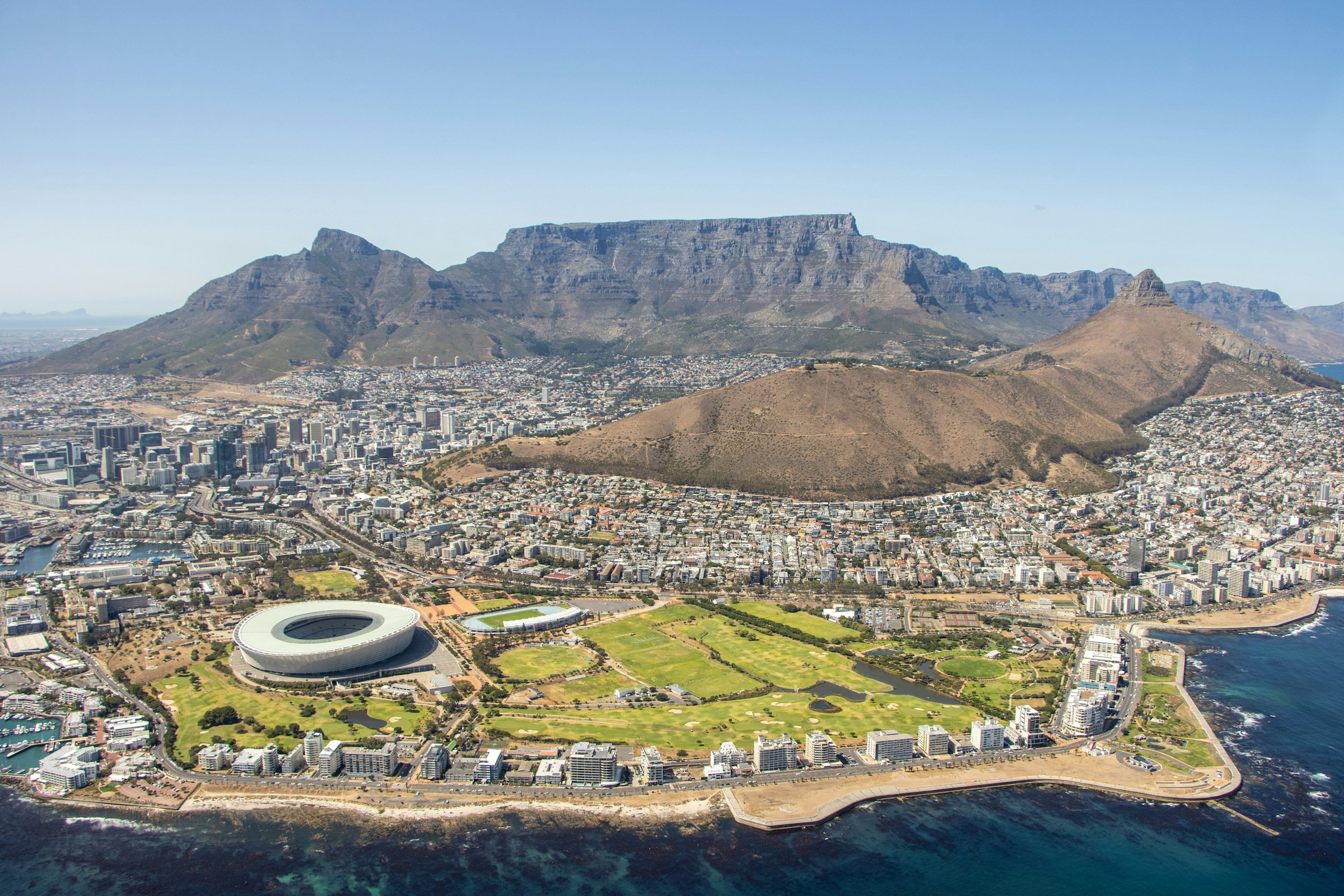
Cape Town, South Africa · 23 May 2027
Out through Woodstock to Claremont, back past the Castle and up through the Gardens, then round Sea Point and home along Beach Road.
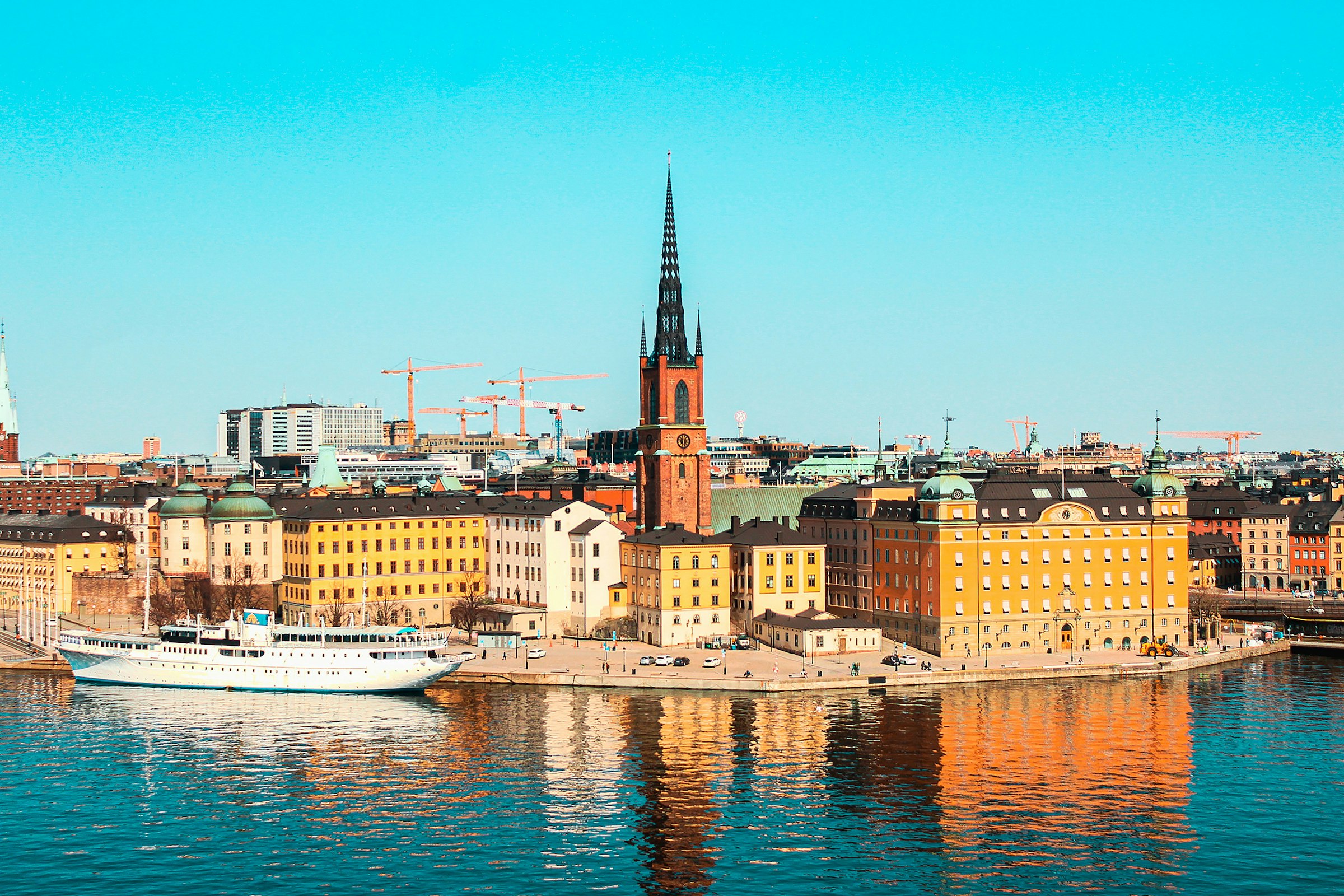
Stockholm, Sweden · 29 May 2027
From the Olympic stadium round Gamla stan and out to Djurgården, then up onto Södermalm and over Västerbron before the finish on the 1912 track.
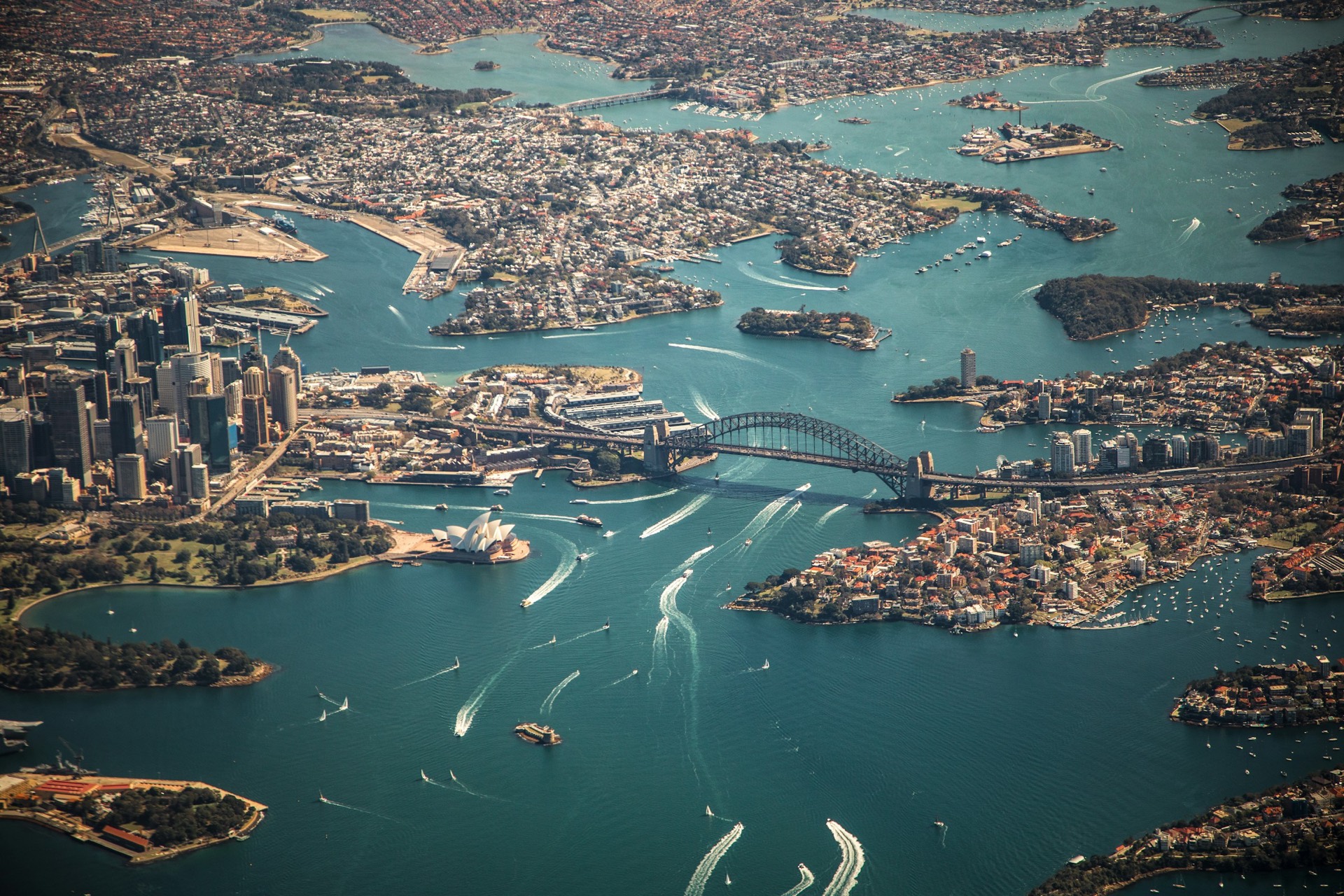
Sydney, Australia · 29 Aug 2027
Over the Harbour Bridge in the first three kilometres, and a finish on the Opera House forecourt.