Men’s course record
2:08:18
Reuben Kerio · 2019
- Average pace
- 3:02 / km
- Terrain-adjusted
- +0.27 %
Europe17
Americas9
Oceania4
Asia3
Africa1
Elsewhere1
Europe7
Oceania3
Americas2
Elsewhere1
Madrid, Spain The fourth Sunday in April: 25 April in 2027 Founded 1978
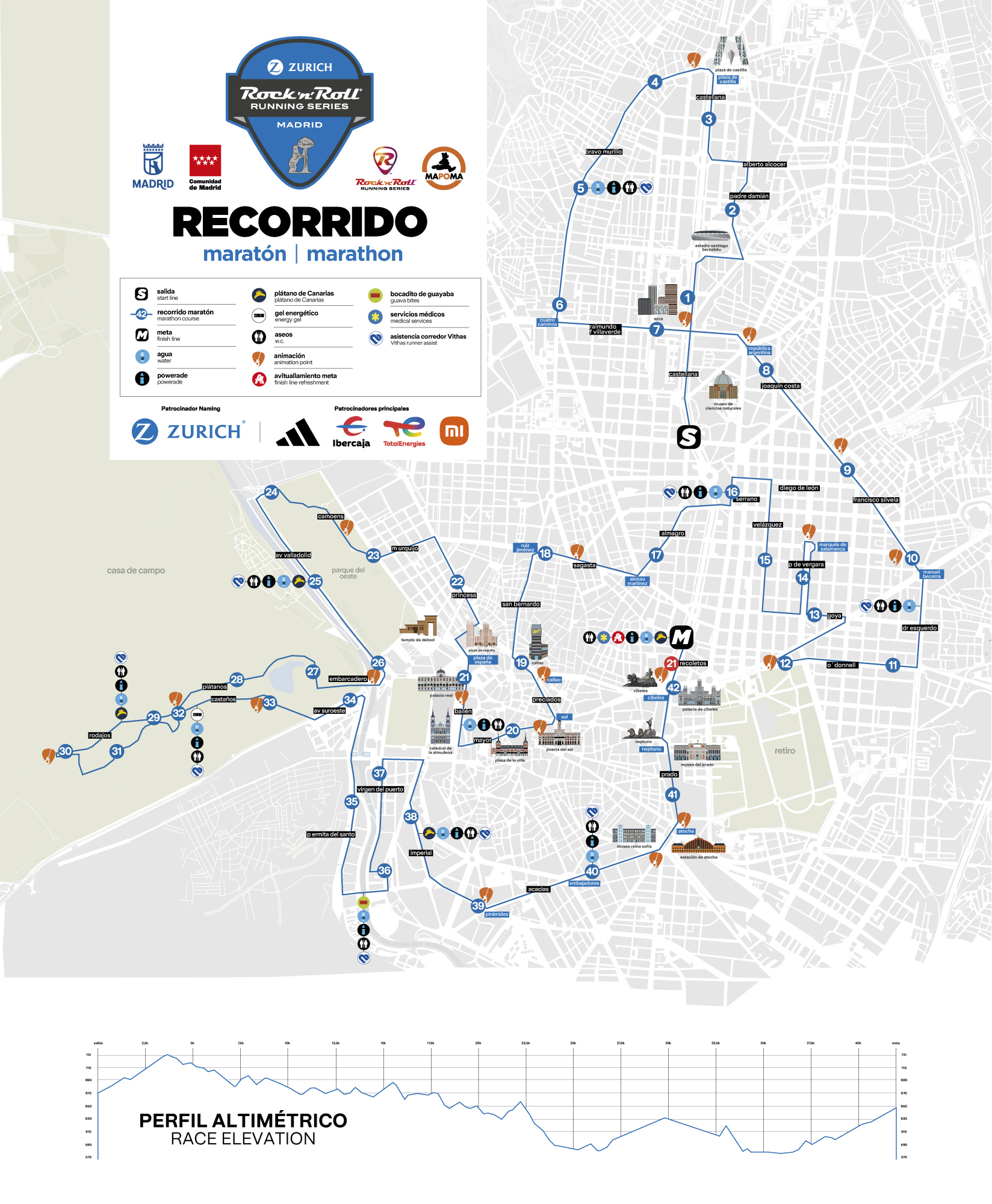
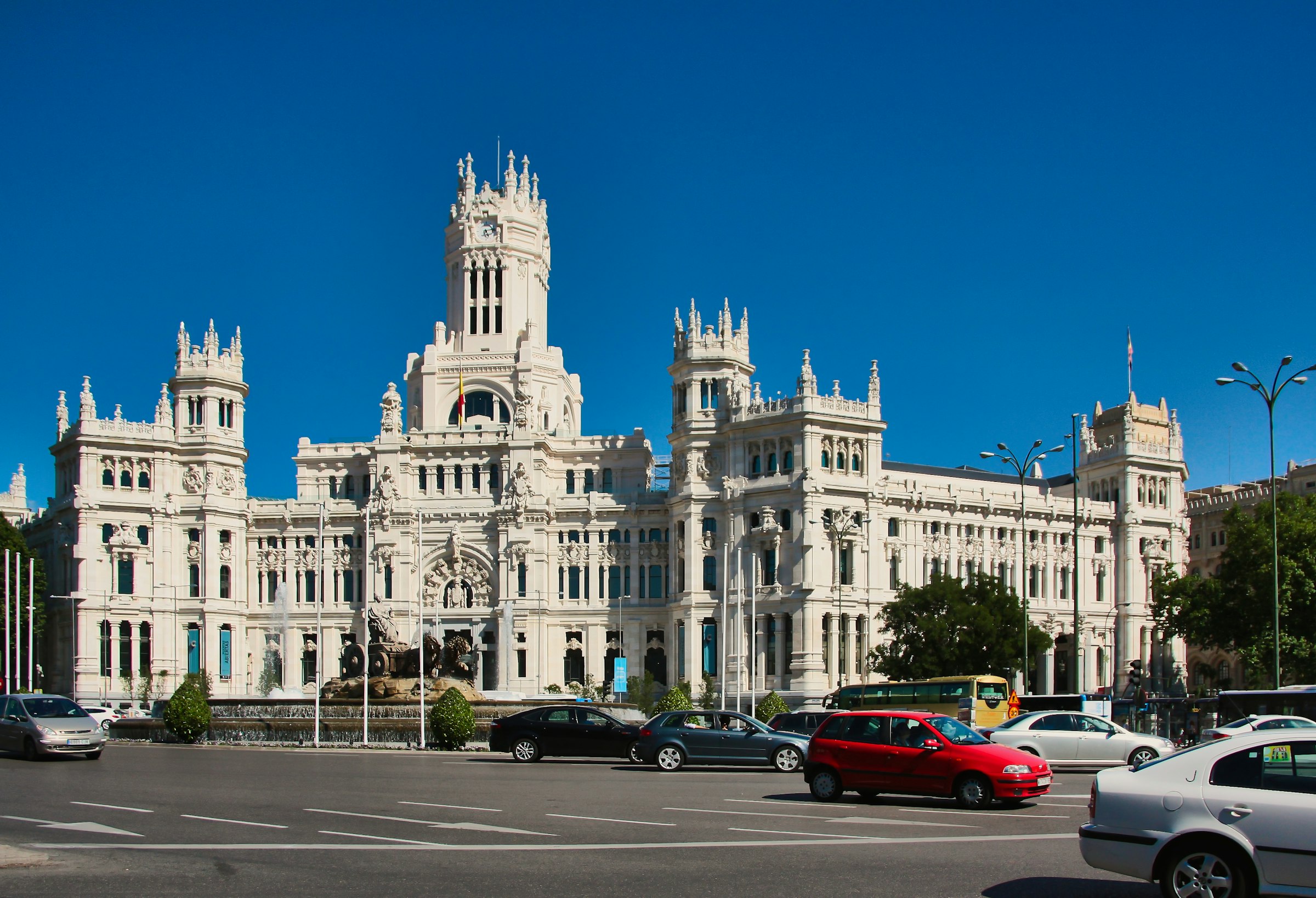
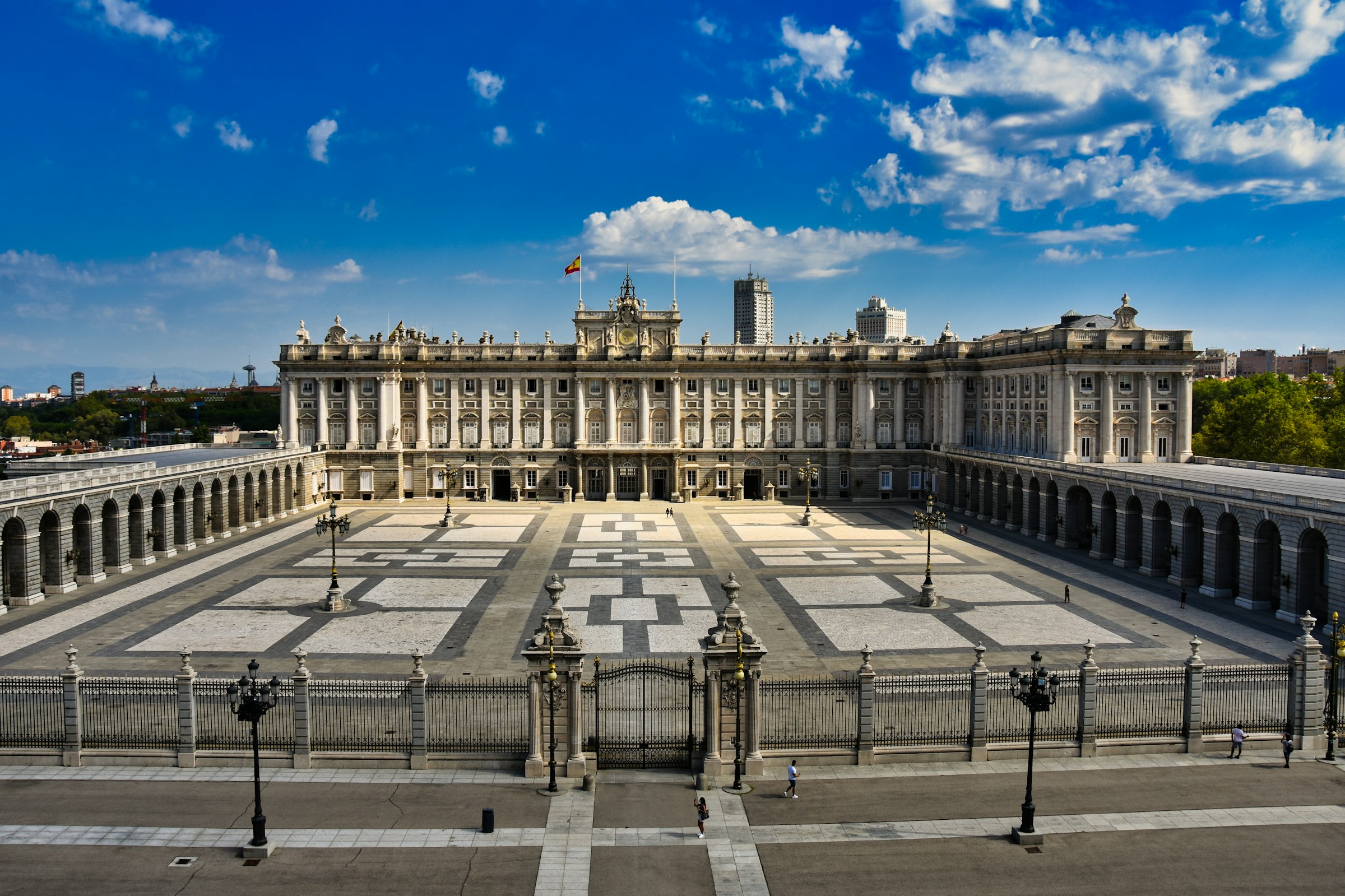
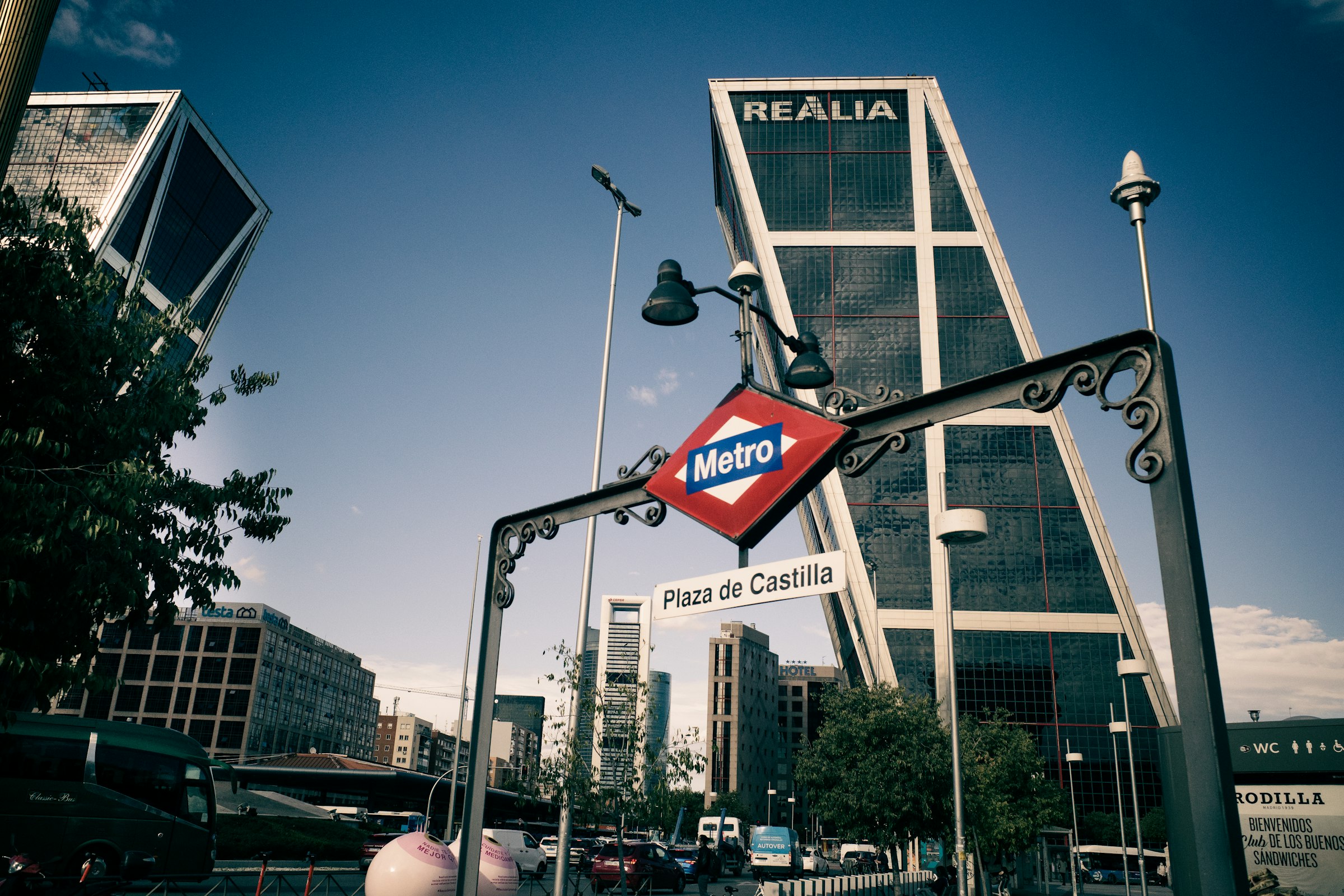
An April marathon north to Plaza de Castilla, across the city to the Royal Palace, through the Casa de Campo and back up from the river to Cibeles.
Marathon Course · every marathon course, measured the same way
Madrid Marathon
An April marathon north to Plaza de Castilla, across the city to the Royal Palace, through the Casa de Campo and back up from the river to Cibeles. Paseo de la Castellana → Paseo de Recoletos, Madrid, Spain.
Elevation · the organiser's 2026 course file · Sonny 1" .hgt tiles — CC BY 4.0 · smoothed 100 m 577–731 m
—
0.08.516.925.433.942.3
kmmi — elev — grade — hover or drag the profile
The highest point comes early, 731 m on Bravo Murillo near Plaza de Castilla, at about 3.8 km. From there the course loses height gently for 20 km across the city, then all at once. The steepest climbing kilometre is up Calle de la Princesa from Plaza de España, 27 m, and the steepest descending one follows straight after it, 41 m down Paseo de Camoens to the river.
The Casa de Campo climbs again, to 625 m on the Rodajos loop at about 30.1 km. The lowest point, 577 m, is on Paseo de la Virgen del Puerto beside the river at about 36.8 km. Everything after that is uphill, through Atocha and up the Paseo del Prado, and the finish is 25 m below the start. Add up the energy cost of every gradient and, for a three-hour runner, the course comes out about 30 seconds slower than a flat 42.195 km (0.27 %).
Take it with you
Course GPX Organiser's course map
The GPX is ours: our resampled line, a point every 25 m, carrying Sonny 1" .hgt tiles — CC BY 4.0 elevation rather than the GPS noise a watch file usually holds.
Sonny 1" .hgt tiles — CC BY 4.0, the organiser's 2026 course file, smoothed 100 m · marathoncourse.com/marathons/madrid/ · checked 2026-11-21
19801990200020102020
Pace is derived from the certified distance. Terrain-adjusted figures come from the same model that ranks every course on this site.
Men’s course record
2:08:18
Reuben Kerio · 2019
Women’s course record
2:24:37
Siranesh Yirga · 2022
The morning, hour by hour
Cut-offs
The 8:45 start is 2026's; the organiser hasn't set the 2027 time yet. The other times are from the 2027 regulation and FAQ. The 2027 regulation's clock times, a pace of 9 minutes a kilometre from 10:15am, when the start line closes. The finish closes at 4:34pm, and a sweep vehicle takes anyone behind the cut-offs to the finish.
Race-day mean temperature, 1995-2025. Lime marks the hottest edition; the coldest and wettest carry a label only, so the colour still means one thing.
Yes. It climbs 352 m, and of the 32 courses compared here only Big Sur climbs more. The hardest part is the end: the last five and a half kilometres climb 71 m from the river to the finish.
Sonny 1" terrain model, sampled every 25 m, smoothed over 100 m.
The course runs between 577 m and 731 m above sea level. It starts at 673 m and finishes at 648 m.
Sonny 1" terrain model.
As far as the organiser has shown. Its 3D map for 2027 has the same route and kilometre markers as 2026, and the map here is the 2026 course file.
Organiser 2027 3D course map.
It starts on the Paseo de la Castellana at Plaza de San Juan de la Cruz, by Gregorio Marañón metro, and finishes on the Paseo de Recoletos between Cibeles and Colón, about 2 km away.
Organiser FAQ; course line.
Yes, at €150 until 17,000 have entered or 11 April 2027, then on a waiting list at €180. Add €4 for the Spanish athletics licence every runner needs.
Organiser price table, November 2026.
You can't defer. A name change costs €10 until 15 March 2027, and the new runner pays the price of the day. An injury with a medical report gets 75 % back by the same date.
Organiser entry page, 2027.
The finish closes at 4:34pm. The cut-offs run at 9 minutes a kilometre from 10:15am, when the start line closes: 11:00am at 5 km, 1:15pm at 20 km and 4:15pm at 40 km.
Organiser regulation, 2027.
Mild, usually. Over the race hours on the fourth Sunday in April the median is 15 °C, and about one year in ten reaches 20 °C. Only two of the last 29 race days have been wet.
ERA5 via Open-Meteo, 1995 to 2025, without 2020 and 2021.
11,787 finished in 2026, up from 10,641 in 2025 and 9,129 in 2024. The 2027 race takes up to 17,000; the half, on the same morning, takes 30,000.
Official results; organiser entry page.
Yes. The course is certified, its start and finish are about 2 km apart, and it drops 25 m, well inside World Athletics' limit. The records are Reuben Kerio's 2:08:18 and Siranesh Yirga's 2:24:37.
World Athletics road-course rules; course line; organiser records.
11,787 finished in 2026, up from 10,641 in 2025 and 9,129 in 2024. The 2027 race takes up to 17,000.
Organiser figures for the 2026 edition.
About 15.4 °C during a typical race: that's the median across 29 years, which have run from 8 °C to 22.3 °C. 2 of the 29 were wet.
ERA5 reanalysis for the race date, 1995-2025.
Yes. The course carries World Athletics and Spanish federation certification, which the B.A.A. accepts for races outside the US, and the finish is 25 m below the start, far short of a drop that would matter.
Net drop −25 m from this site's course line; 2027 adjustment None. Certification certified: World Athletics and Spanish federation (RFEA) certificate; start and finish are about 2 km apart.
It comes from Sonny 1" .hgt tiles — CC BY 4.0, sampled every 25 m along the course line and smoothed over 100 m. The raw-to-smoothed ratio here is 1.23. Around 1.3 means the model is reading the ground, not rooftops; above about 2.0 the total climb carries real noise, and the net change is the sturdier number.
0 missing samples · 2 bridge spans corrected.
| Fact | Source | Verified |
|---|---|---|
| Course line | The organiser's 2026 course file, linked from its course page (a Wikiloc trace it hosts). One point about every 47 m; the line measures 42.32 km, 0.3 % long. The organiser's 2027 3D map shows the same route | 2026-11-21 |
| Elevation | Sonny 1" .hgt tiles (CC BY 4.0), Spain; two bridges interpolated between their banks, and thirteen road tunnels under the streets the course runs on left out | 2026-11-21 |
| Race-day weather | ERA5 via Open-Meteo archive, 9:00 to 15:00 on the fourth Sunday in April, 1995 to 2025, without 2020 and 2021 | 2026-11-21 |
| Course records | Organiser record page (men's); World Athletics results, 2022 (women's) | 2026-11-21 |
| Field size | Finishers counted from the official results the organiser links, 2024 to 2026 | 2026-11-21 |
| Entry and rules | Organiser entry page, price table and 2027 regulation | 2026-11-21 |
| Race day | Organiser FAQ and 2027 regulation | 2026-11-21 |
| History and timeline | Organiser news, Time Out Madrid on the 2019 date, and race histories | 2026-11-21 |
| Steepest-kilometre place names | OpenStreetMap via Nominatim reverse geocoding (ODbL) | 2026-11-21 |
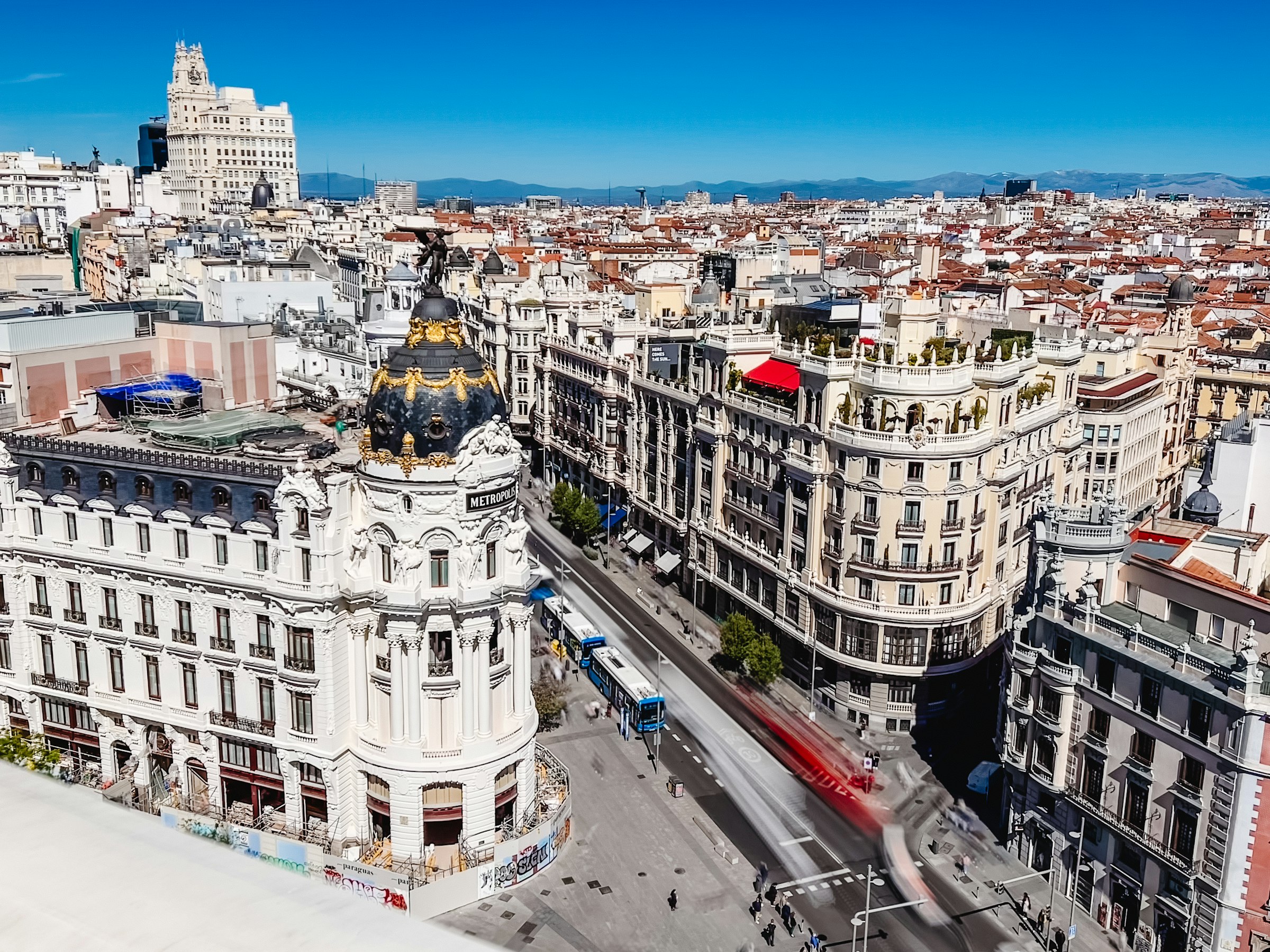
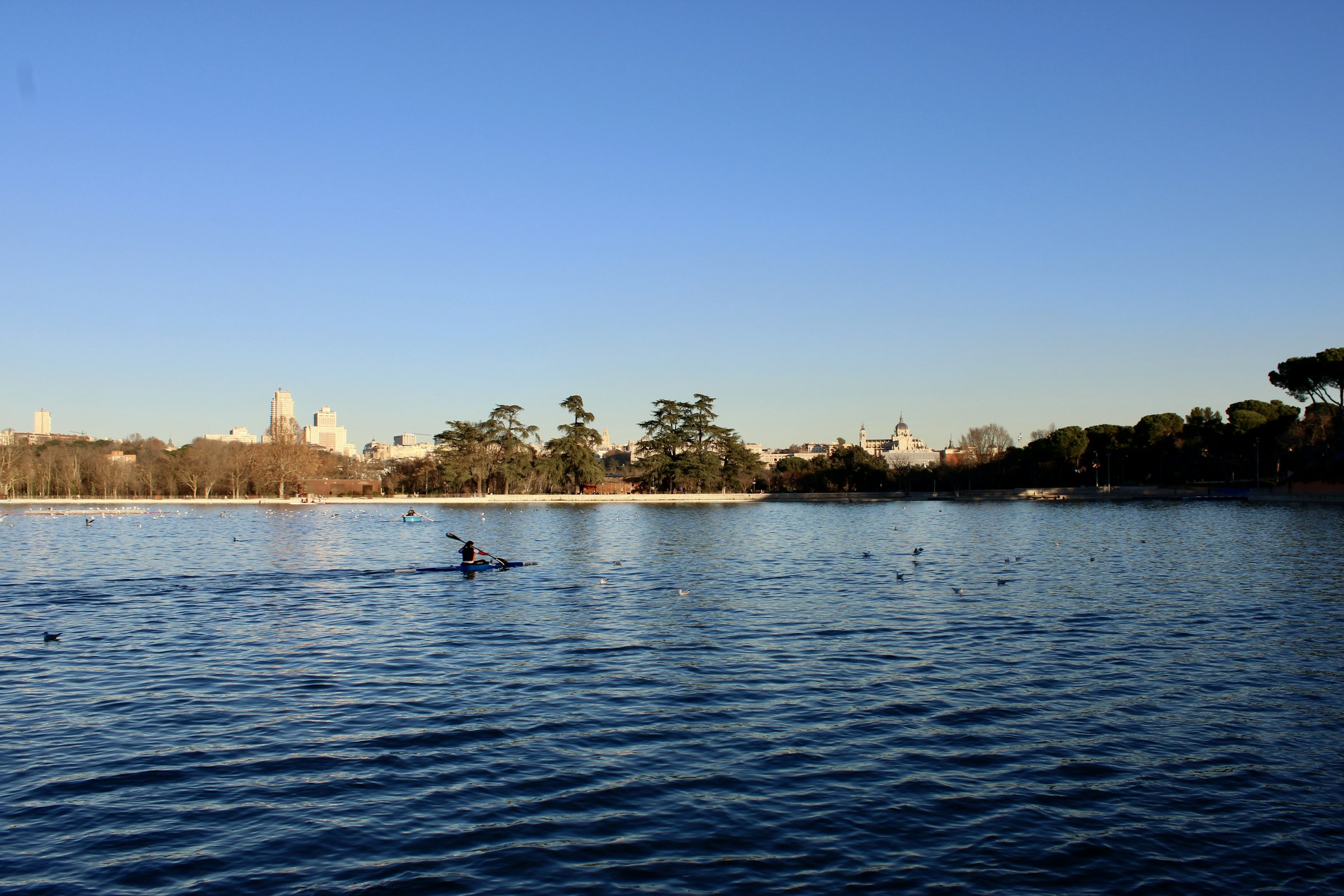
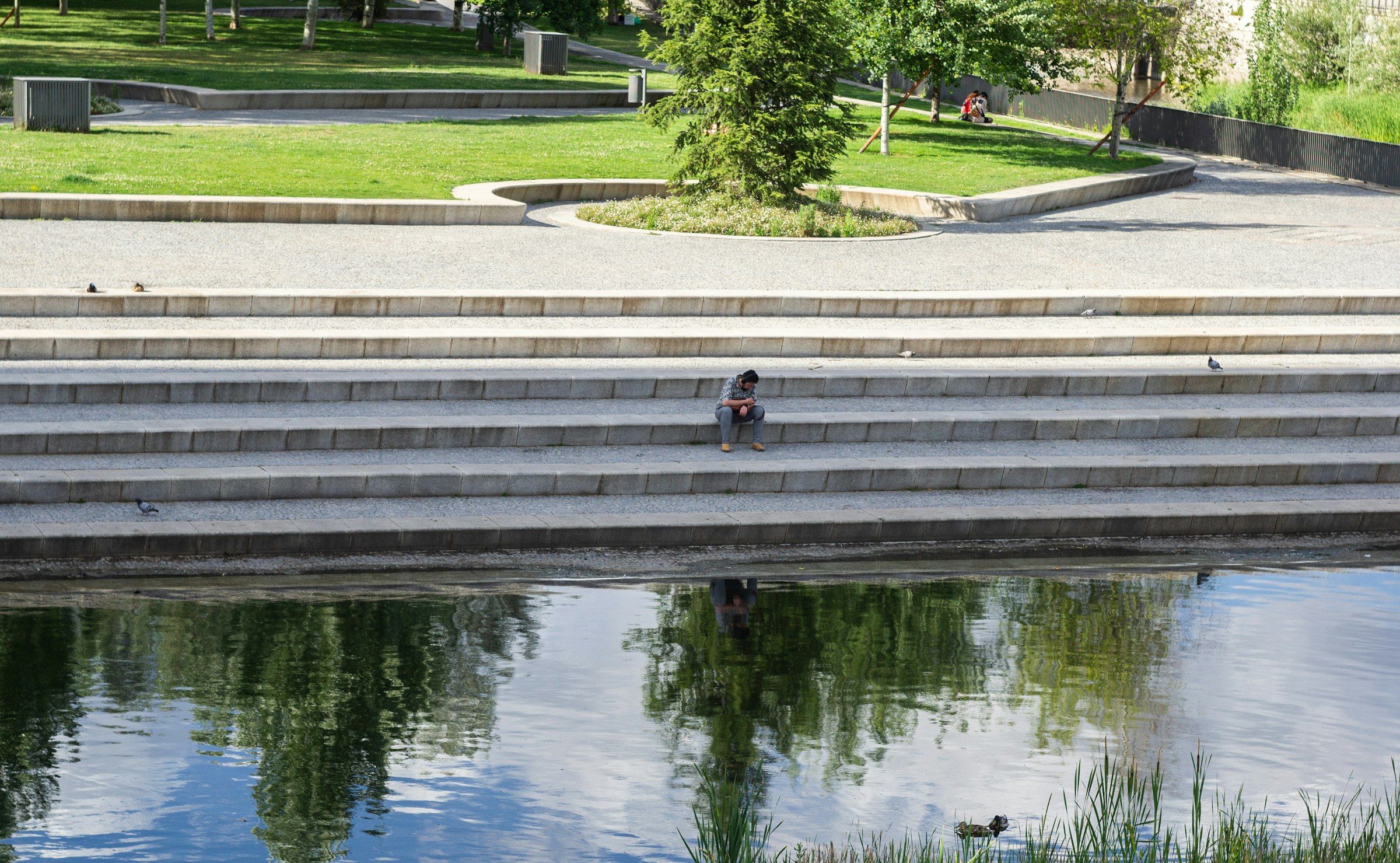
| Photography | Unsplash: Domenico Adornato (Cibeles), Gijs Jakobs (the Royal Palace), Arthur Hutterer (Gran Vía), Ramon Albiol (Plaza de Castilla), Camila Sabel (the Casa de Campo), Maria Vlasenko (Madrid Río) | 2026-11-21 |
Until the Madrid Marathon · 25 Apr 2027
— days
— hrs— min— sec
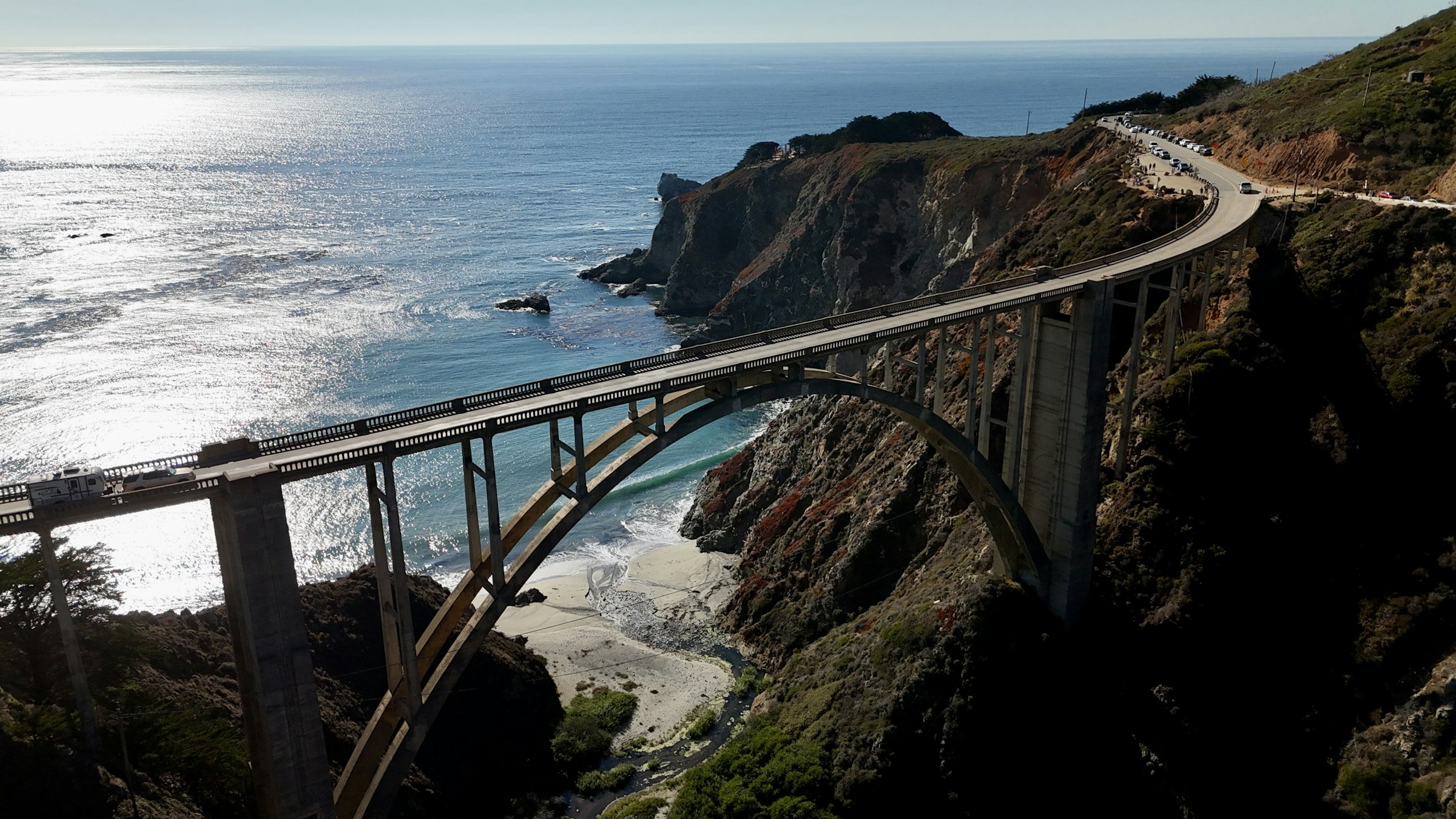
Big Sur, USA · 25 Apr 2027
Twenty-six miles of Highway 1 with the Pacific on one side and no way out on the other.
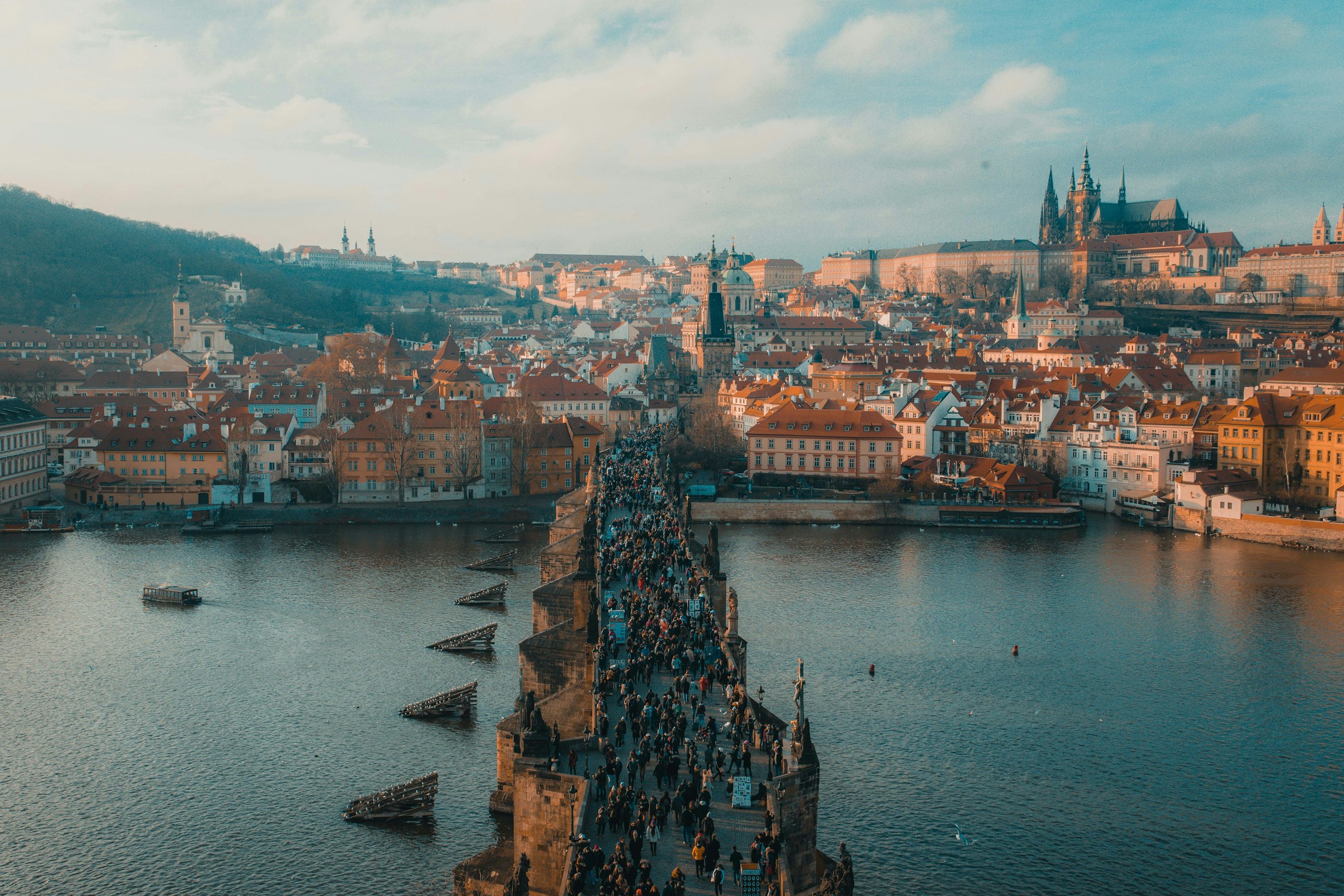
Prague, Czech Republic · 2 May 2027
Across the Charles Bridge in the first three kilometres, along both banks of the Vltava, and through Old Town Square three times.
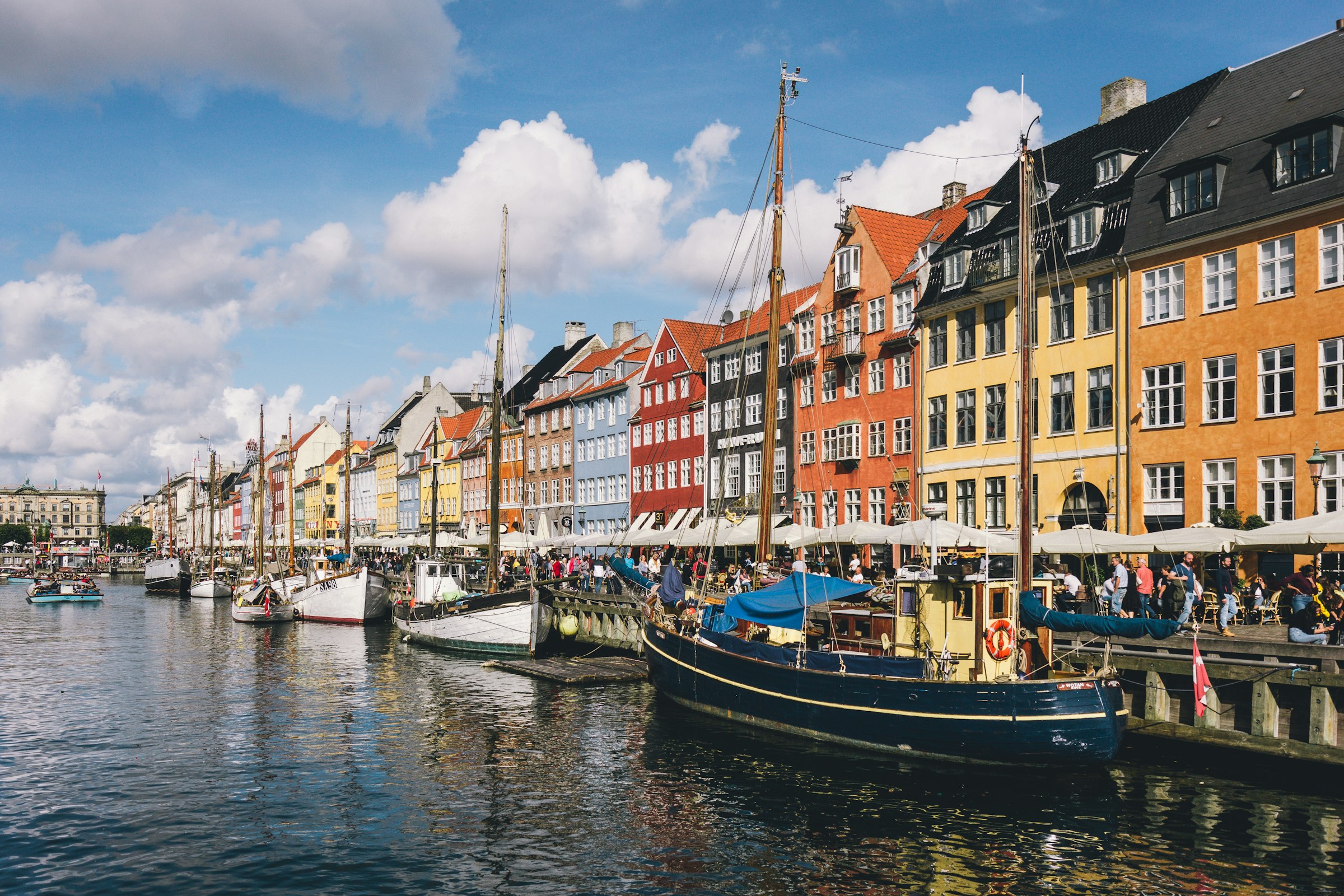
Copenhagen, Denmark · 9 May 2027
Over the harbour to Christianshavn and back, out through Nørrebro and Frederiksberg, and home by Kongens Nytorv and Nyboder to Øster Allé.