Toronto Waterfront Half Marathon
Toronto, Canada The third Sunday in October Founded 1990
Down to Lake Ontario and out along the shore to Humber Bay and back, the marathon's course with an earlier turn for home.
Overview
The hills come at the start and the finish. The first 3.0 km climb to 114 m on Bloor, the drop to the lake loses 16 m in a kilometre on Bathurst, and the climb up Bay comes at the very end. In between, for 13.5 km, the course stays within a band about ten metres deep.
About 11,800 finished it in 2026, and it sold out.
- When
- The 2027 Toronto Waterfront Half Marathon is on Sunday, 17 October 2027, starting at 8:00am local time on Yonge Street, north of Gerrard Street.
- Course
- The Toronto half's course climbs 74 m in all, with its lowest point at 77 m and its highest at 114 m.
- Entry
- Entry to the Toronto half is first come, first served (2027 not yet open).
- Field
- The 2026 Toronto Waterfront Half Marathon had a half-marathon field of 11,800.
- Weather
- Across 26 years, the Toronto half's race-day temperature has a median of 9.1 °C.
- Time limit
- The Toronto half's time limit is 3 hours 30 minutes.
Marathon Course · every marathon course, measured the same way
Toronto Waterfront Half Marathon
Down to Lake Ontario and out along the shore to Humber Bay and back, the marathon's course with an earlier turn for home. Yonge Street, north of Gerrard → Bay Street by Old City Hall, Toronto, Canada.
- Distance
- 21.1 km
- Ascent
- 74 m
- Descent
- 82 m
- Net
- −8 m
Course map and elevation
5 km splits marked · the dashed line is the marathon, which the half follows until it turns up Bay Street for the finish · hover or drag the profile below to move along the courseElevation · measured on the official timer's 2026 course file · NRCan CDEM · smoothed 100 m 77–114 m
—
0.04.28.412.616.921.1
kmmi — elev — grade — hover or drag the profile
The high point is on Bloor Street, 114 m at about 2.8 km, and the low point is by the lake at 77 m, around the turn. The steepest climbing kilometre is the first, north up Yonge Street from the start, 11 m; the steepest descending one is Bathurst Street down to the lake, 16 m. The finish is 8 m lower than the start. Add up the energy cost of every gradient and the course comes out about level with a flat 21.1 km.
Take it with you
Course GPX Organiser's course map
The GPX is ours: our resampled line, a point every 25 m, carrying NRCan CDEM elevation rather than the GPS noise a watch file usually holds.
NRCan CDEM, measured on the official timer's 2026 course file, smoothed 100 m · marathoncourse.com/half-marathons/toronto/ · checked 2026-10-19
How to enter: dates and fees
It's a regional race at heart: the organiser runs it without prize money, though the course is certified and sanctioned for records. Entry otherwise works the same way for every distance, and the marathon page has the rest.
History
Canadians swept it in 2026: Dylan Alick won in 1:03:49 and Teagan Robertson in 1:13:58, and Canadians filled most of both top twenties. The race's full history is on the marathon page.
- 1990The half begins, as the finale of a six-race running series
- 2000The marathon is added alongside it
- 2024Kevin Smith runs 1:15:42, a Canadian over-55 record
- 2025The start moves to Yonge Street, and Thomas Nobbs wins in 1:03:28
- 2026Dylan Alick and Teagan Robertson lead a Canadian sweep
1990200020102020
Race day: start times and cut-offs
- 8:00am
- 1:00pm
- Time limit
- 3h 30m
Aid stations sit about every three kilometres, with electrolyte drink and gels at marked stations.
The morning, hour by hour
- 6:00am
- Half bag check opens, Queen Street
- 8:00am
- Marathon and half start, in corrals
- 9:31am
- Last runners cross the start line
- 1:00pm
- Half course closes
The organiser's 2026 event information; 2027 details aren't out yet. The limit is three hours 30 minutes, and the half's course closes at 1:00pm. There are no intermediate cut-offs.
Race-day weather, 1995–2025
- Median
- 9.1 °C
- Warm years
- 3 of 26
- Wet years
- 3 of 26
Race-day mean temperature, 1995-2025. Lime marks the hottest edition; the coldest and wettest carry a label only, so the colour still means one thing.
Frequently asked questions
Is the Toronto half flat?
In the middle. It climbs to 114 m on Bloor in the first 3.0 km and drops to the lake, then stays within about ten metres until the climb up Bay Street to finish.
CDEM terrain model, sampled every 25 m, smoothed over 100 m.
Does it share the marathon's course?
For almost all of it. Same start, same turn near Humber Bay, and the same finish; the half turns up Bay Street where the marathon carries on east to the Beach.
Official course files, compared.
What time does it start?
8:00am on Yonge Street, with the marathon, in colour-coded corrals. The last runners cross the start line at about 9:31am.
Organiser event information, 2026.
What is the time limit?
Three hours 30 minutes, with the half's course closing at 1:00pm. There are no intermediate cut-offs.
Organiser event information, 2026.
Can I take the subway to the start?
Not in time: the subway opens at 8:00am on Sundays, when the race starts. Take the Yonge or Bloor bus.
Organiser event information, 2026.
Where is bag check?
On Queen Street, just south of Nathan Phillips Square, from 6:00am to 2:00pm. The marathon's is separate.
Organiser race-weekend page, 2026.
How do I get into the 2027 race?
Registration hasn't opened yet. It's first come, first served, and the 2026 half sold out, so enter soon after it opens.
Organiser registration page, checked 2026-10-19.
Is there prize money?
No. The organiser runs the half as a regional, recreational race, though the course is certified for records.
Organiser elites and awards page.
What's the weather like in October?
Cool. Across 26 race mornings the median temperature during the half was 9.1 °C, and nine counted as cold.
ERA5 climatology, 8:00 to 11:00, 1995 to 2025, without the years the race was on another date or not held.
Is it a good first half?
A comfortable one: three and a half hours, no intermediate cut-offs, and most of it flat by the lake.
Organiser race information; measured profile.
How many people run it?
About 11,800 finished the half in 2026, against a cap of 13,000, and about 11,400 in 2025.
Organiser figures for the 2026 edition.
What is the weather like on race day?
About 9.1 °C during a typical race: that's the median across 26 years, which have run from 2.8 °C to 19.7 °C. 3 of the 26 were wet.
ERA5 reanalysis for the race date, 1995-2025.
How accurate is the elevation figure?
It comes from NRCan CDEM, sampled every 25 m along the course line and smoothed over 100 m. The raw-to-smoothed ratio here is 1.55. Around 1.3 means the model is reading the ground, not rooftops; above about 2.0 the total climb carries real noise, and the net change is the sturdier number.
0 missing samples · 0 bridge spans corrected.
Sources
Every fact on this page, its source, and the date it was checked · 7
| Fact | Source | Verified |
|---|---|---|
| Course line | The official timer's 2026 course file (Sportstats), 209 points, 21.10 km; it agrees with the organiser's interactive map | 2026-10-19 |
| Elevation | Natural Resources Canada's CDEM, the model the marathon is measured on | 2026-10-19 |
| Race-day weather | ERA5 via Open-Meteo archive, 8:00 to 11:00 on race morning | 2026-10-19 |
| Results and field | Official results lists (Sportstats), 2024 to 2026, counting runners with a finish time; race reports for the winners | 2026-10-19 |
| Start, limit and bag check | Organiser event information, 2026 | 2026-10-19 |
| History | Canadian Running on the race's history; Canadian Running's 2024 report for Kevin Smith's record | 2026-10-19 |
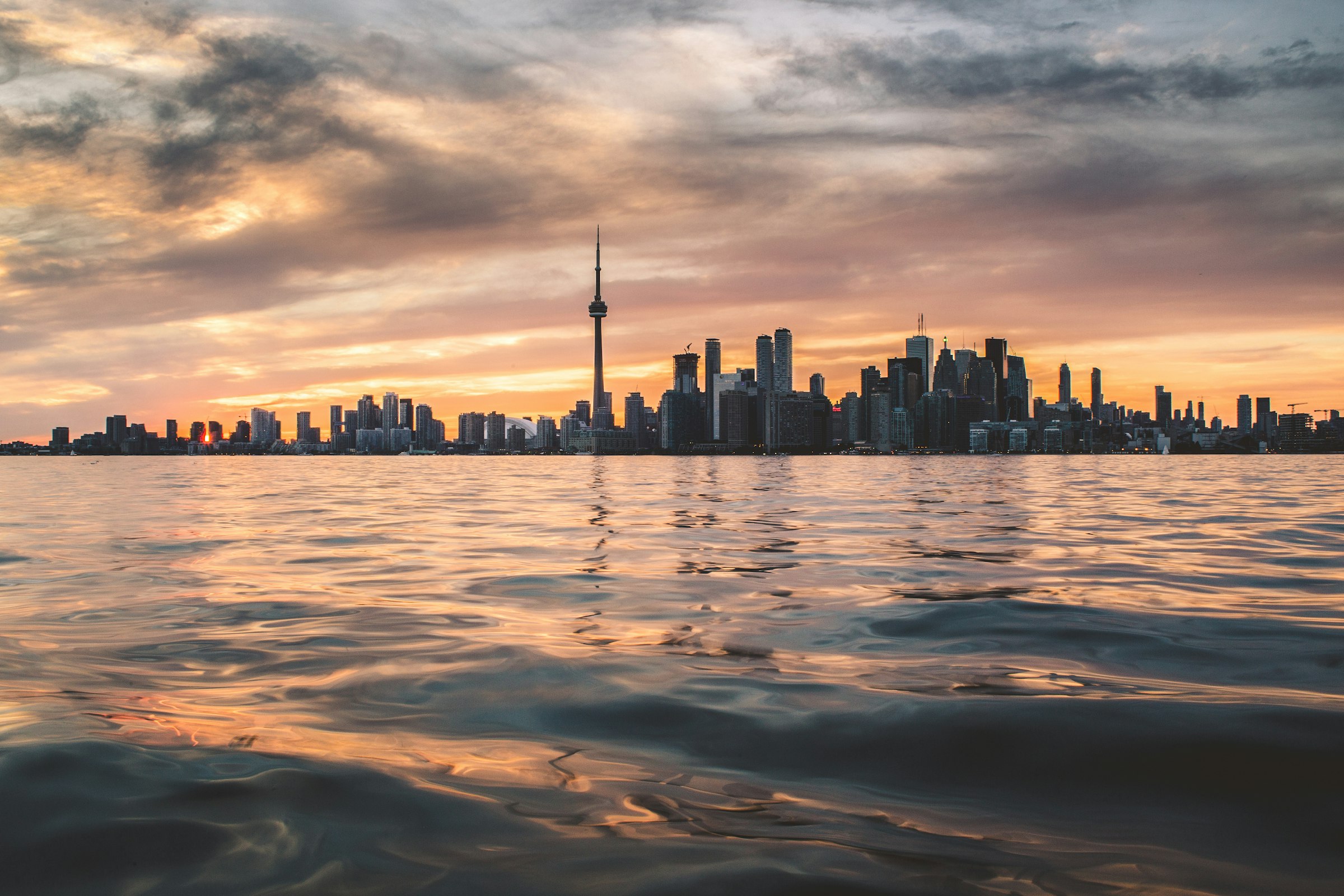
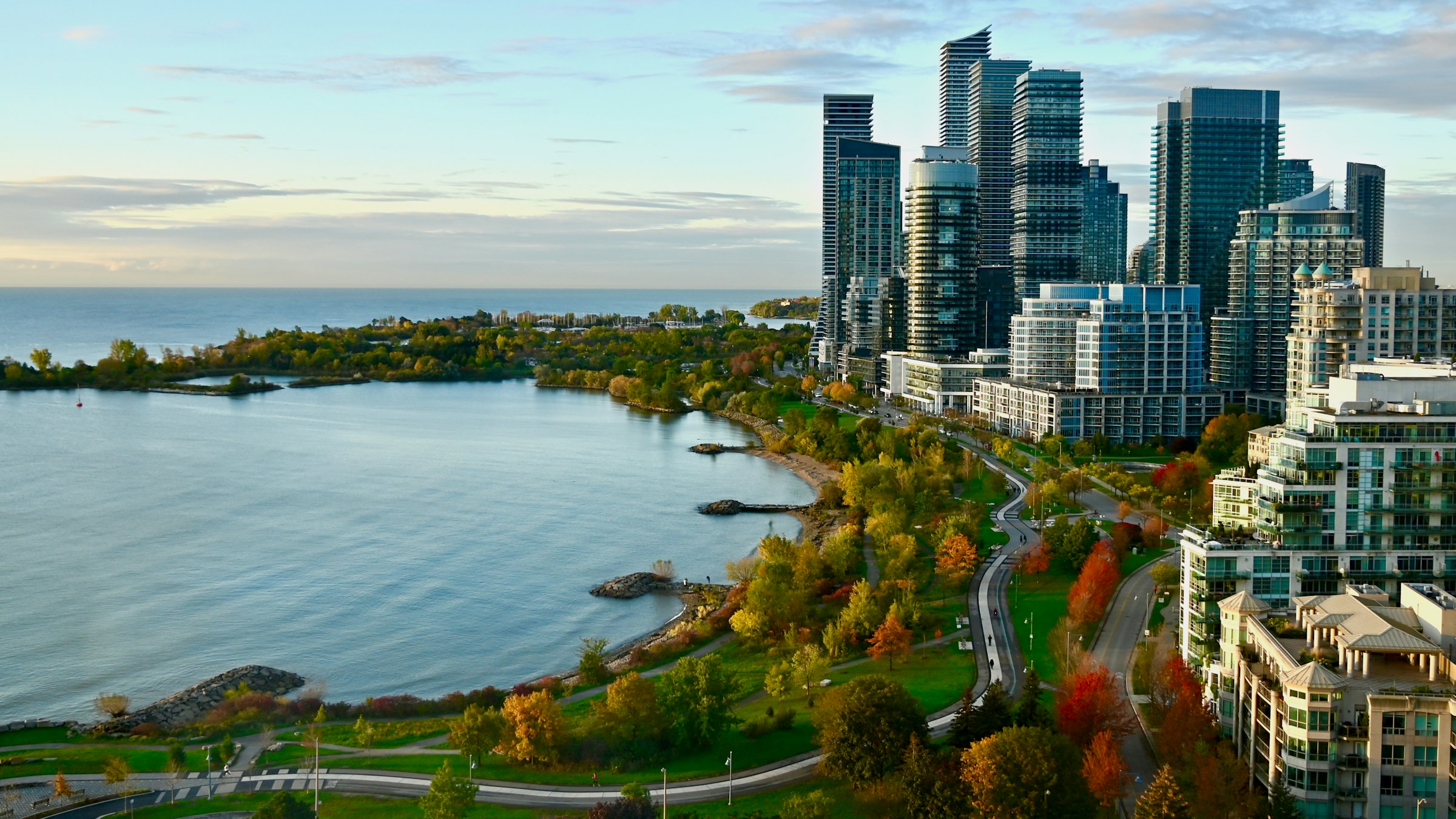
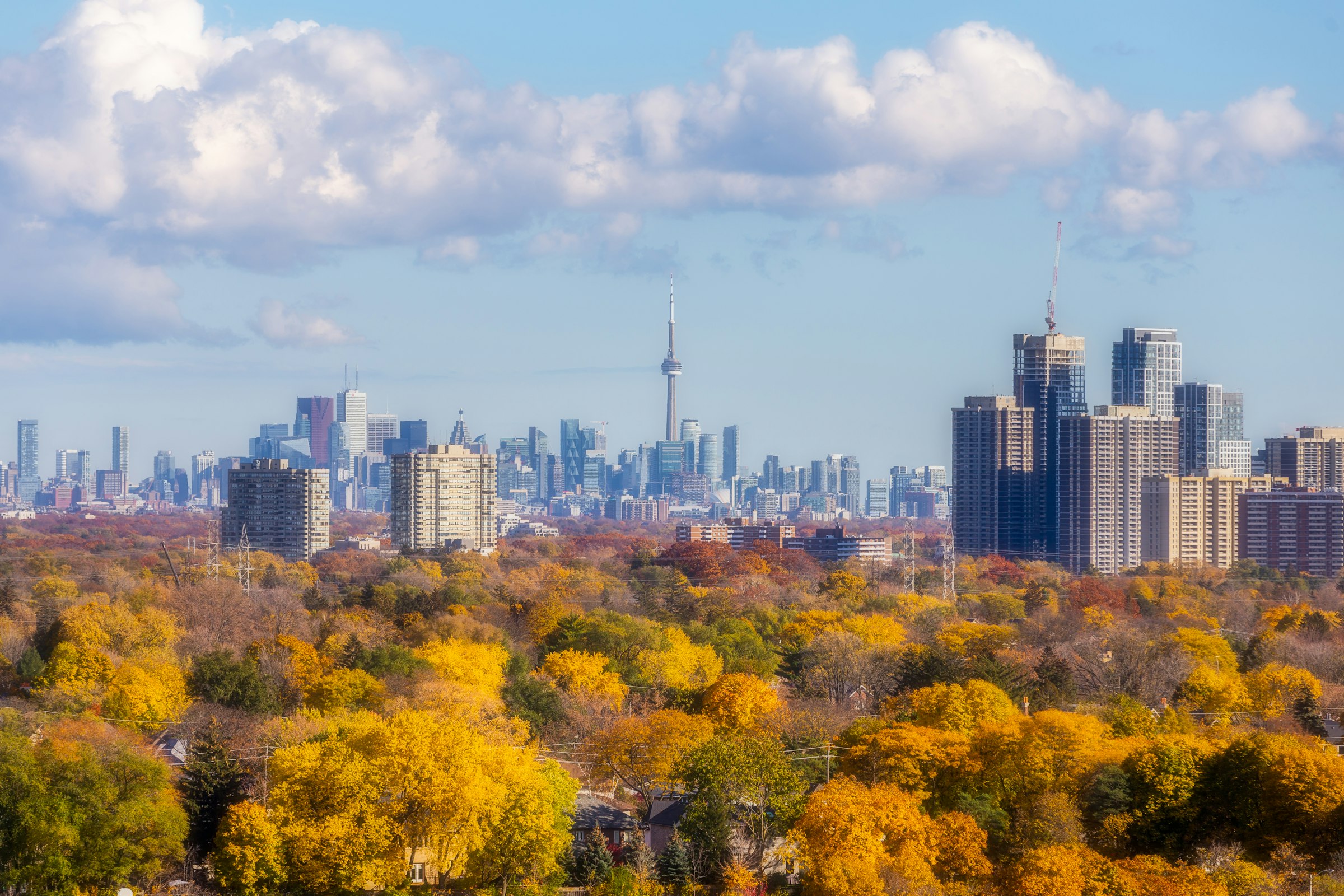
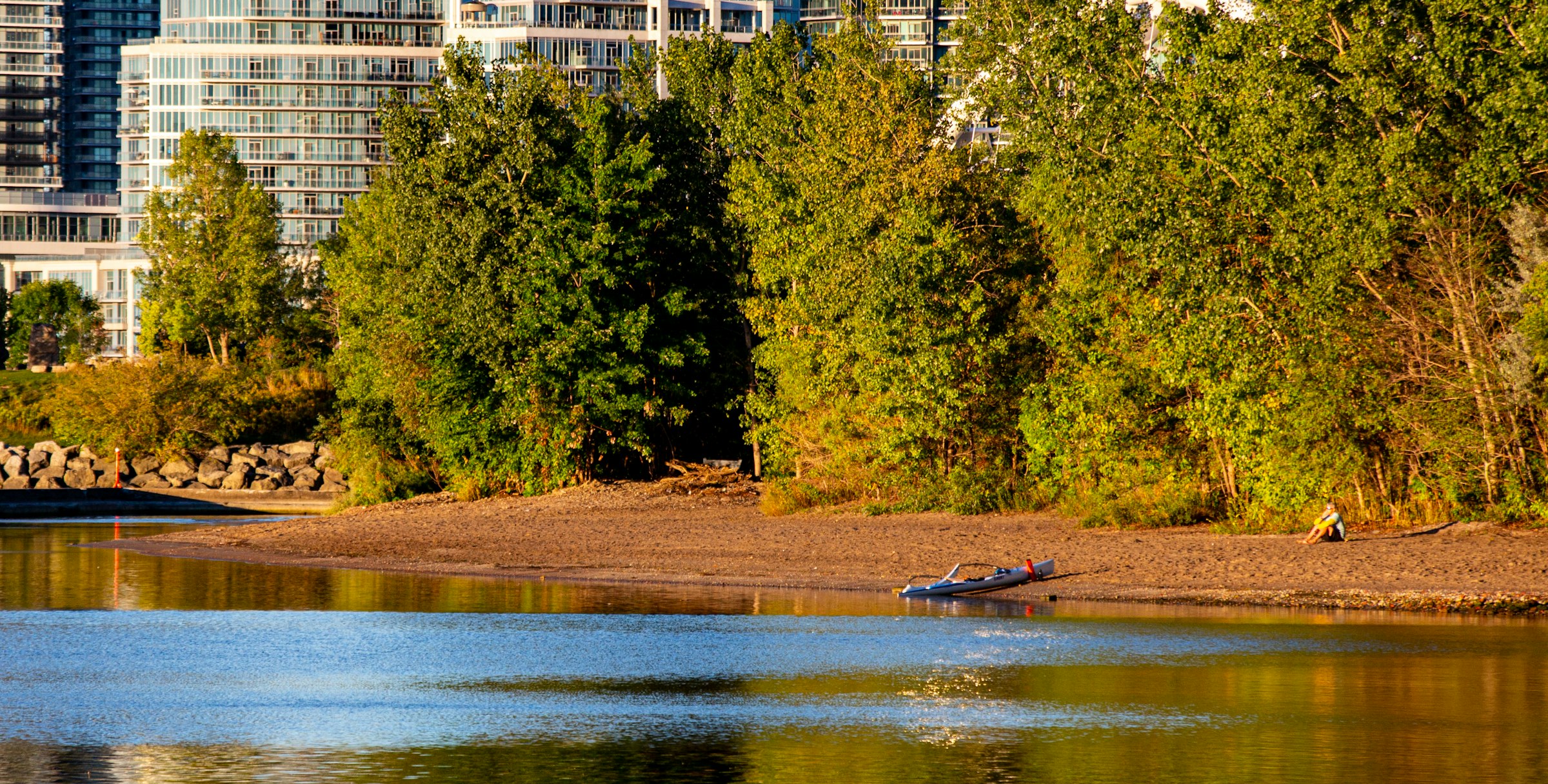
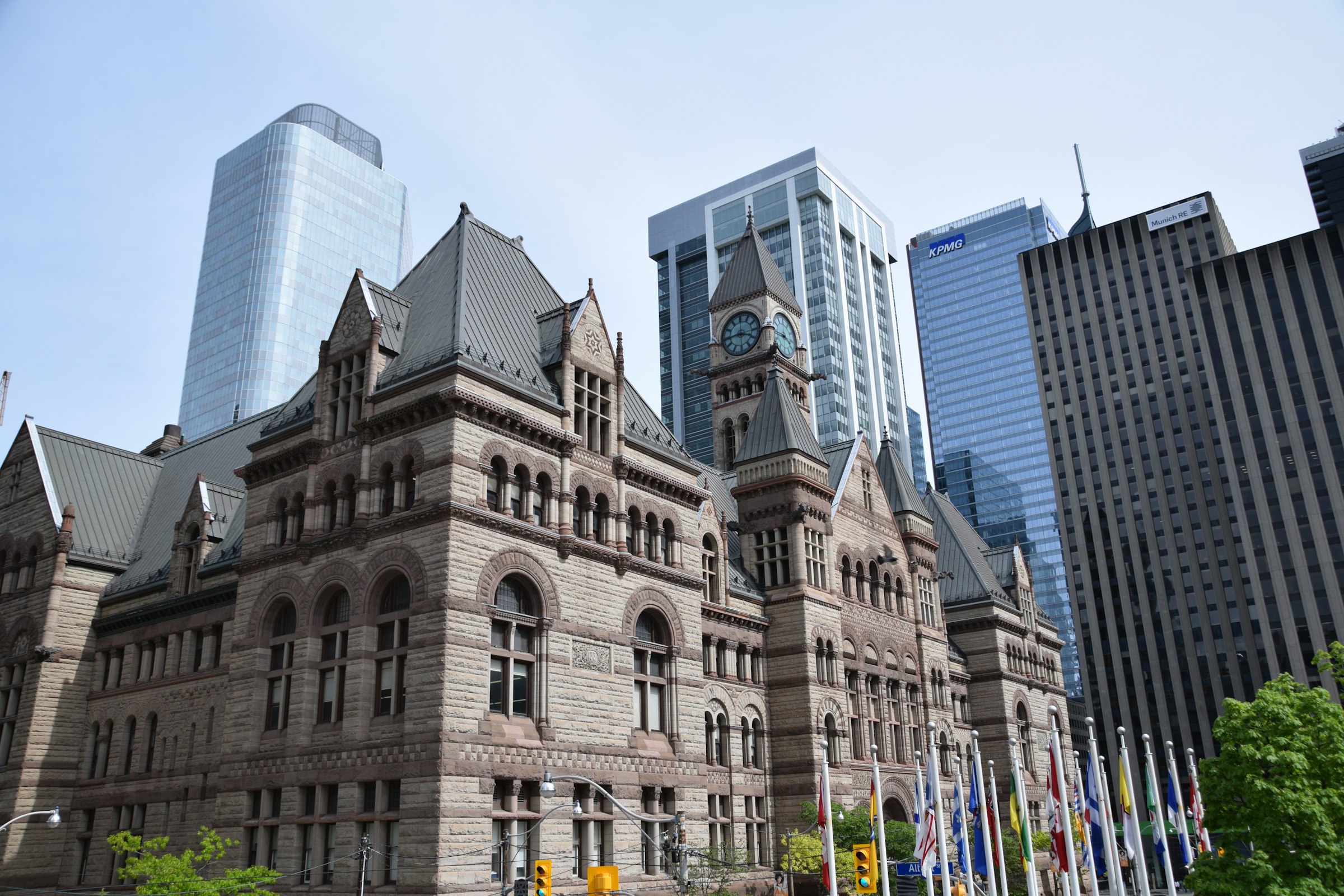
| Photography | Unsplash: Berkay Gumustekin (the skyline from the lake), Rob Patterson (Humber Bay), Venrick Azcueta (downtown in autumn), Ronin (Old City Hall), Mark Ashford (the lakeshore) | 2026-10-19 |
Until the Toronto Waterfront Half Marathon · 17 Oct 2027
— days
— hrs— min— sec
You might also be interested in
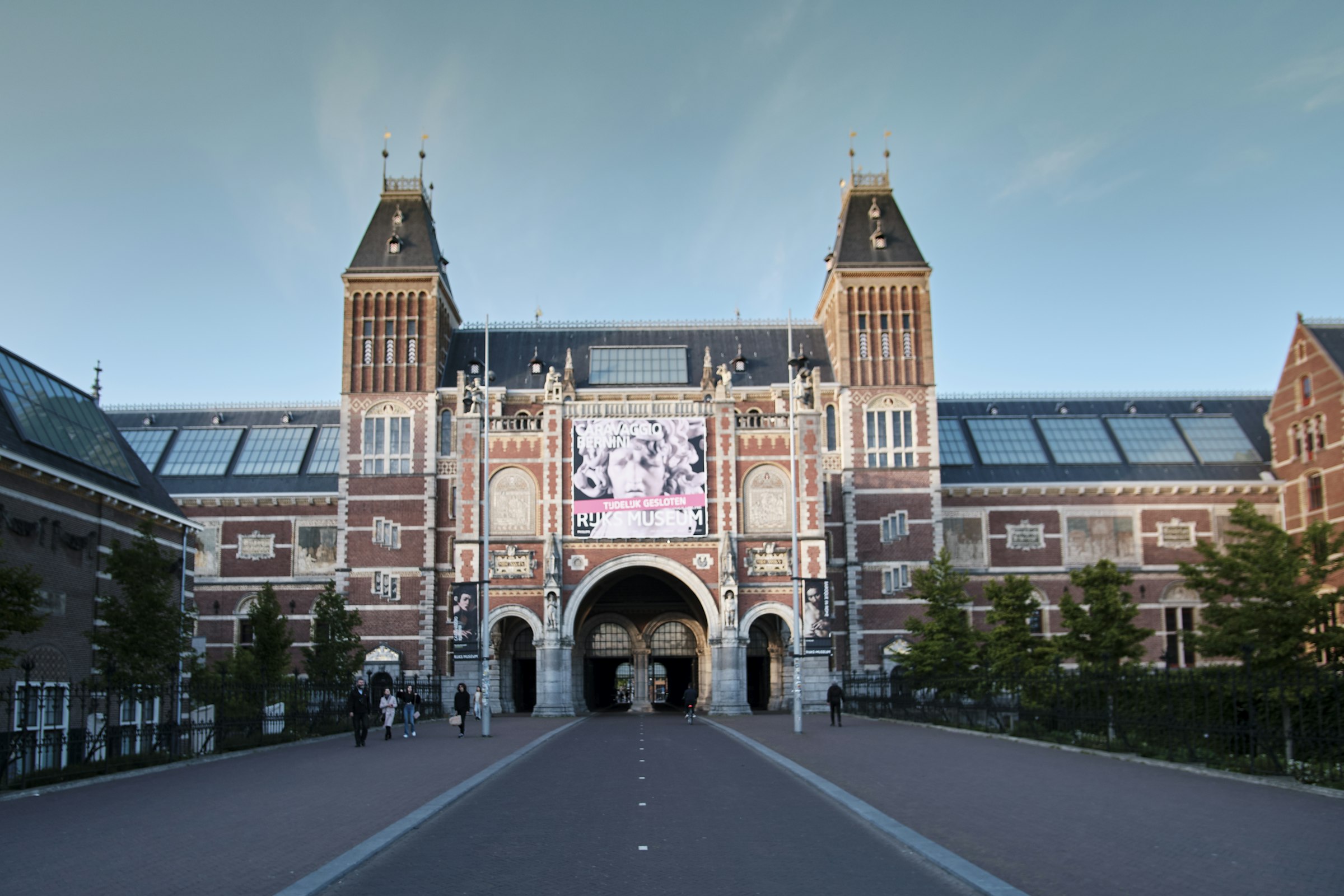
Amsterdam Marathon
Amsterdam, Netherlands · 31 Oct 2027
From the 1928 Olympic Stadium, through the Rijksmuseum and twelve kilometres out along the Amstel.
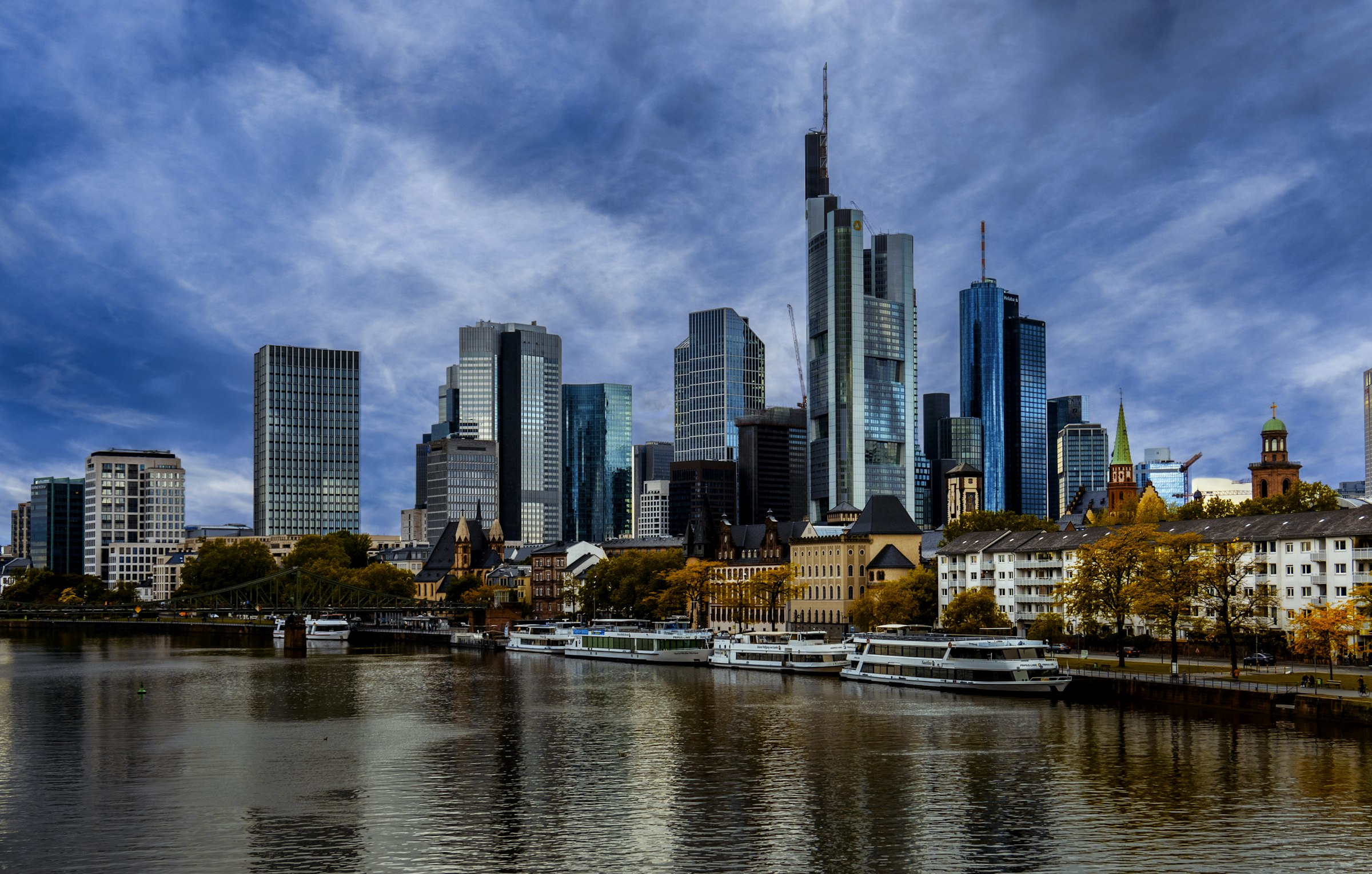
Frankfurt Marathon
Frankfurt, Germany
Twice across the Main and out to Höchst, then home to a red carpet inside the Festhalle.
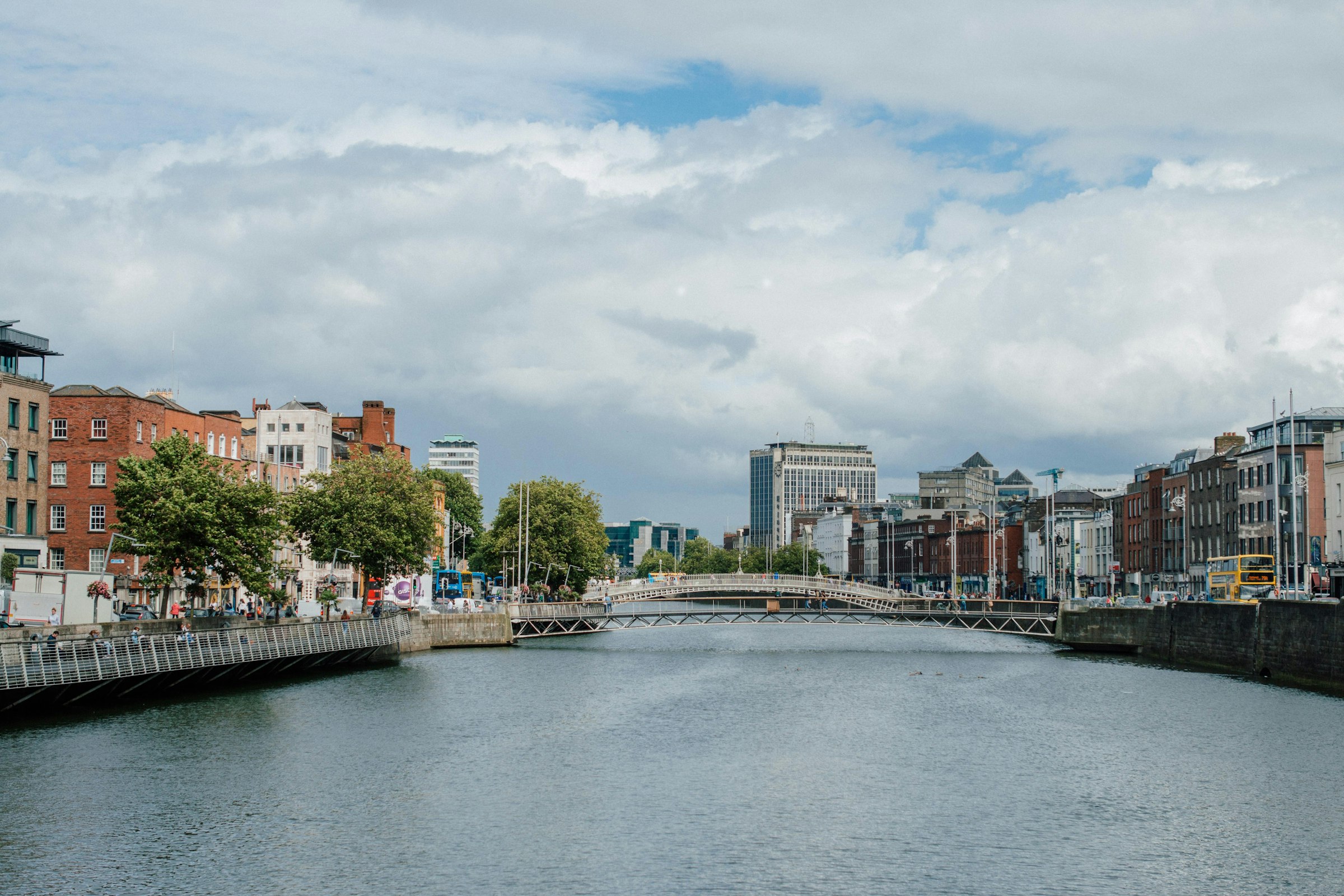
Dublin Marathon
Dublin, Ireland
The bank-holiday marathon: out through Phoenix Park, round the southern suburbs, and home past the Georgian squares.